Online casino gambling laws look very different depending on where you are in 2026. Some countries set up clear rules, letting licensed operators offer casino games legally.
Others ban online gambling outright, or leave things in a murky gray area without specific laws. If you're wondering how to stay safe, knowing which countries allow online gambling—and how they regulate it—really matters.
Understanding these differences helps you choose safe, legal casinos and avoid headaches down the road. Every country has its own approach, shaped by culture, economy, and government priorities.
Some governments keep a tight grip, while others let private companies operate with oversight. I'll walk you through the main ways countries regulate online casinos in 2026.
Many people ask, is online gambling legal? We'll look at licensing systems, why these rules exist, and where you can legally play today.
Key Takeaways
-
Online casino regulations vary widely by country, with some allowing licensed operators, others banning gambling completely, and many operating in unclear legal situations.
-
Regulated markets help players by making casinos meet licensing requirements for fair games, secure payments, and legal protections if something goes wrong.
-
Checking a casino's license on official regulatory websites helps you spot legit operators and avoid risky or unlicensed sites.
What Are Online Gambling Regulations?
Online gambling regulations are basically the laws governments use to control how casinos and betting sites work online. These rules cover who can run a gambling website, how they should protect players, and which games they can offer.
Regulatory Framework Overview
Most countries use a system of licenses, oversight agencies, and legal requirements. In many places, online casinos have to get a license before they can operate legally.
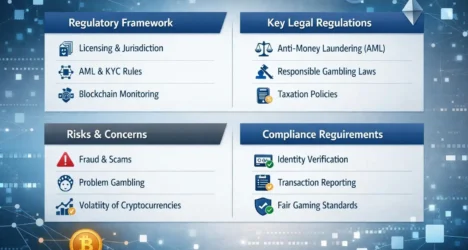
This license shows the casino follows rules about fair games, player protection, and financial security. The regulatory framework usually covers a few main areas:
-
Licensing requirements – Casinos must apply and pay fees to get permission to operate.
-
Player protection standards – Rules about age checks, responsible gambling tools, and dispute resolution.
-
Technical requirements – Standards for game fairness, data security, and payment processing.
-
Tax and reporting obligations – Financial transparency and government revenue collection.
Regulatory bodies keep an eye on licensed operators to make sure they follow the rules. They might investigate complaints, audit operations, or take action if a casino breaks the law.
Some countries, like the UK, watch operators closely. Others, honestly, don’t supervise much at all.
History and Evolution of Gambling Laws
Gambling laws have been around way before the internet. Older rules mostly focused on physical casinos and betting shops in specific locations.
The internet changed everything in the 1990s. Old laws didn't really fit online gambling, so new rules had to be made.
In the late 1990s and early 2000s, some countries banned online gambling right away. Others built new legal frameworks to regulate it.
For example, in the US, the Federal Wire Act of 1961 originally covered sports betting over phone lines. Later, proposals like RAWA aimed to ban most online gambling across state lines.
Things shifted after PASPA was repealed in 2018, letting states legalize sports betting. Australia’s Interactive Gambling Act in 2001 tried to control online gambling by banning some casino games but allowing sports betting.
By 2026, most countries have updated their gambling laws to cover internet gaming. Laws have grown more complex, balancing player protection with market growth.
Global Regulatory Landscape
Online gambling laws really do vary a lot in 2026. I usually see countries fall into three main categories based on their approach.
Regulated markets have clear licensing systems and legal frameworks. Places like the UK, Malta, and some US states let licensed operators offer online casino games.
Prohibited markets ban online gambling completely. In these countries, it’s illegal to run or use online gambling sites.
Gray markets have unclear or outdated laws. Operators might serve these countries even though the legal status isn’t clear.
Players in gray markets often use international gambling sites, but their legal protection can be shaky. The global landscape keeps shifting, with more countries moving toward regulation instead of outright bans.
Why Do Countries Regulate Online Gambling?
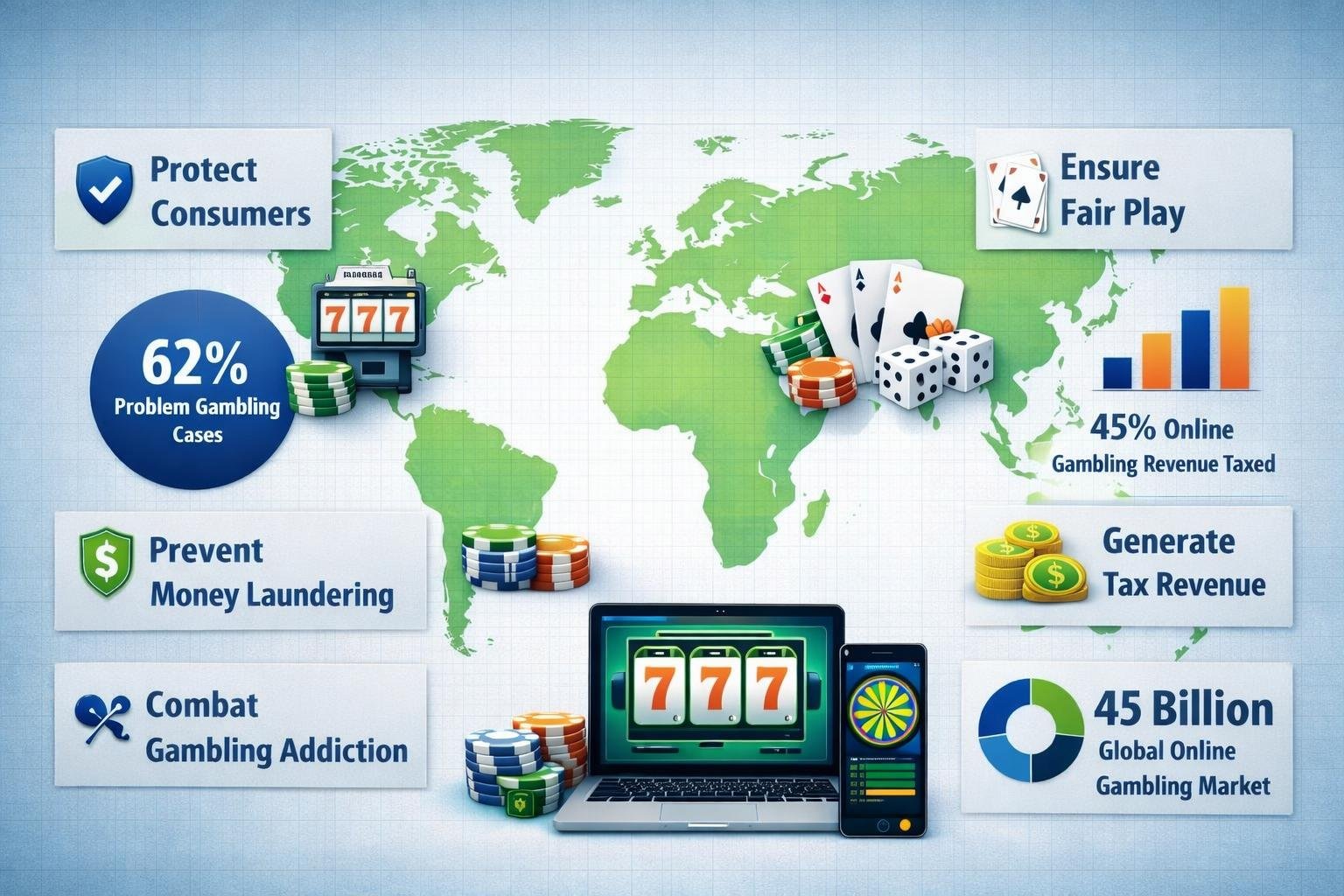
Countries regulate online gambling to protect people from harm and collect tax revenue from an industry that otherwise might run unchecked. They also want to prevent crime and keep control over their markets.
Benefits for Governments Table
|
Benefit |
Description |
|---|---|
|
Tax Revenue |
Licensed operators pay taxes on gambling profits, creating income for public services. |
|
Legal Clarity |
Clear rules help businesses operate without confusion and reduce illegal gambling. |
|
Job Creation |
Regulated gambling markets employ people in licensing, compliance, and enforcement roles. |
|
Crime Prevention |
Oversight reduces money laundering and fraud through identity checks and transaction monitoring. |
|
Market Stability |
Licensing requirements keep unreliable operators out and protect the industry's reputation. |
When I look at regulation, it's clear that governments get big financial benefits. Most regulated countries collect between 15% and 50% of gambling revenue as taxes.
For example, Malta made over €50 million in gambling taxes in 2025. The UK brought in more than £3 billion from its regulated market.
Regulation also gives governments more control over their economy. They can limit the number of licenses and set advertising rules to protect minors.
Consumer Protection and Tax Revenue
Consumer protection is usually the main reason countries regulate online gambling. Licensed operators must check player ages to keep minors out and offer self-exclusion tools for those who want a break.
Healthy habits include using these tools if you notice gambling is no longer just fun. Regulated markets often require casinos to keep player funds separate from business money, so your deposits are safer if a casino goes under.
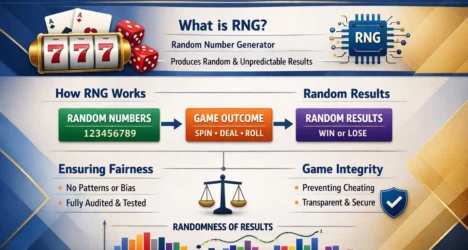
Operators must use tested random number generators to keep games fair. Tax revenue from gambling often funds healthcare, education, and programs for people struggling with gambling problems.
Some countries even earmark part of these funds for addiction services. Support is available if you ever need it, and it’s always okay to ask questions or seek help.
Market Control Objectives Table
|
Objective |
Implementation Method |
|---|---|
|
Prevent Illegal Operators |
Block unlicensed websites and fine illegal operators. |
|
Control Advertising |
Restrict gambling ads during certain hours or near schools. |
|
Set Betting Limits |
Require maximum bet sizes or deposit limits for player safety. |
|
Monitor Transactions |
Track large deposits and withdrawals to detect money laundering. |
|
Enforce Standards |
Conduct regular audits of licensed operators' systems and practices. |
Licensing lets governments decide which companies can operate in their country. This helps keep out operators with poor histories or not enough money to pay winners.
Some countries also want to protect their land-based casinos from too much competition. It's not unusual to see online licenses limited or rules that favor brick-and-mortar establishments.
Benefits for Players

Regulated online casino markets offer real advantages by putting player safety and fair gaming first. Licensed jurisdictions enforce strict rules that protect your funds and help make sure you get paid if you win.
Safety and Legal Protection
Licensed casinos work under government oversight, which shields you from fraud and unfair practices. Regulators require operators to keep player funds in separate accounts, so your deposits are protected even if a casino runs into trouble.
If a dispute comes up, you can use official complaint procedures. Gambling authorities in places like the UK, Malta, and Gibraltar will investigate complaints and can force operators to pay out legitimate winnings.
These regulators also require regular audits of random number generators. That helps make sure game outcomes stay truly random and fair.
Legal protections cover your personal data, too. Regulated casinos must follow data protection laws, so your info isn’t shared without your permission.
Licensed operators face penalties if they let minors gamble or ignore self-exclusion requests. Healthy gambling habits include setting limits, taking breaks, and reaching out for support if you notice gambling is getting stressful.
Most people enjoy gambling responsibly, but if you ever feel things getting out of hand, remember—support is available, and it’s always okay to talk about it.
Regulatory Benefits Comparison Table
|
Jurisdiction |
License Cost |
Fund Protection |
Dispute Resolution |
Tax on Winnings |
|---|---|---|---|---|
|
United Kingdom |
High |
Segregated accounts |
UK Gambling Commission |
Tax-free |
|
Malta |
Medium |
Required reserves |
Malta Gaming Authority |
Tax-free |
|
Curacao |
Low |
Minimal requirements |
Limited authority |
Tax-free |
|
New Jersey, USA |
High |
Full segregation |
State Division of Gaming |
Taxable income |
|
Australia |
High |
Mandatory |
State regulators |
Tax-free |
Accessibility in Licensed Markets
Playing in regulated markets means you've got access to secure payment methods and withdrawals that actually show up when they're supposed to. Licensed casinos usually team up with banks and payment processors who steer clear of unlicensed operators.
That means you can use credit cards, bank transfers, or e-wallets with a lot less worry about whether your transaction is safe or not. Honestly, that peace of mind can make all the difference.
Withdrawals at licensed operators move along within the timeframes set out by regulators. In a lot of places, casinos need to process e-wallet withdrawals within 24-48 hours, and bank transfers usually wrap up in 3-5 business days.
It’s also pretty common to see higher betting limits and better bonuses in these regulated markets. Licensed casinos compete for players, so they’re motivated to offer more within legal boundaries.
Responsible gambling tools are everywhere in licensed casinos now. Healthy habits include setting deposit or loss limits, and you can usually set session timers too.
Most casinos have to enforce these limits. Some places even connect self-exclusion programs across multiple operators, which is a huge help if you ever need a break.
How to Verify Casino Licensing
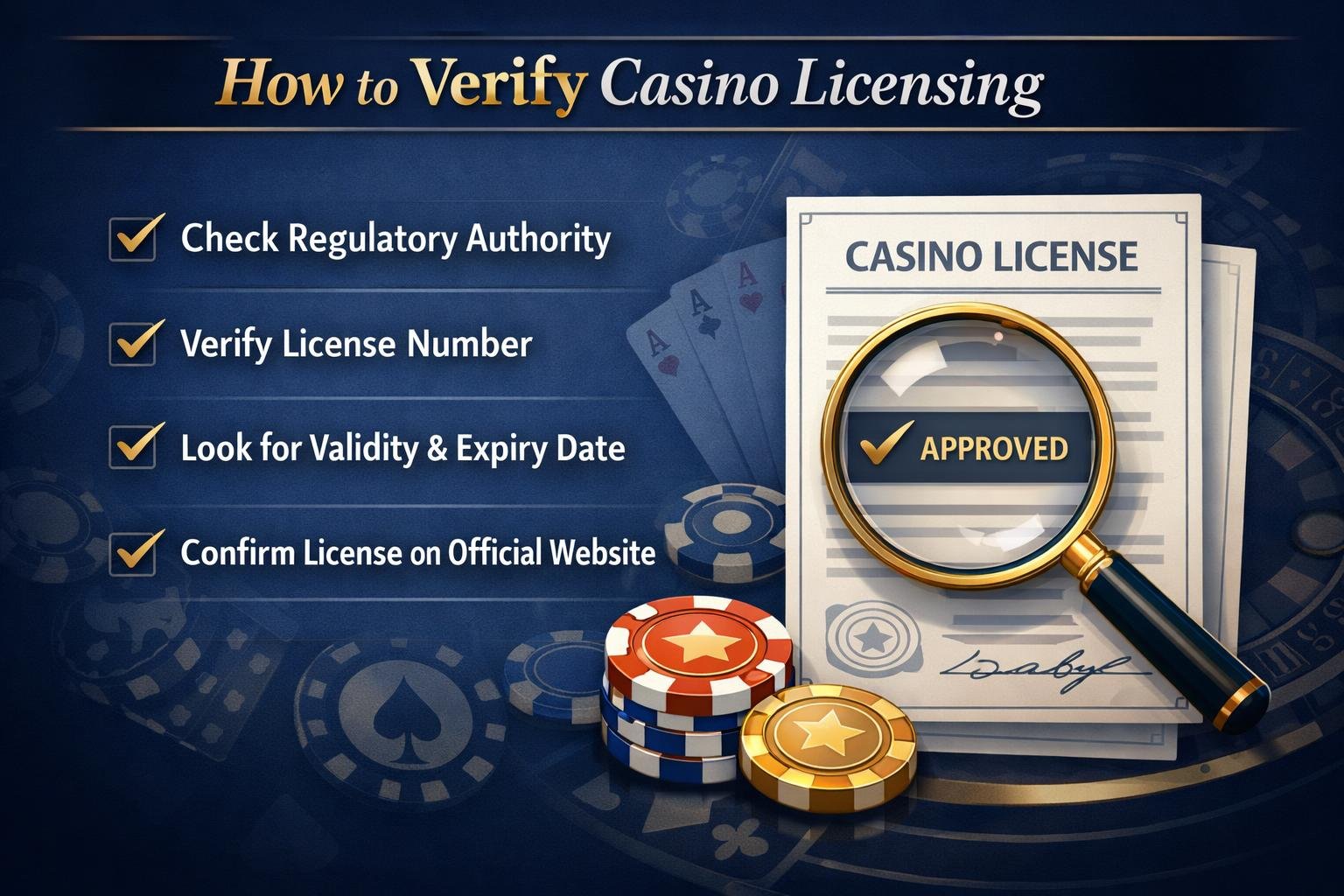
It's important to check a casino's license before you deposit. This step protects you from fraud and gives you a way to resolve issues if something goes wrong.
Licensed operators have to follow strict rules about fair play, secure payments, and responsible gambling. That’s not just a nice-to-have—it’s required.
License Verification Process
Start by scrolling to the bottom of the casino’s homepage. Most licensed sites display their license number and the jurisdiction right in the footer.
You’ll usually see names like Malta Gaming Authority (MGA), UK Gambling Commission (UKGC), Curacao eGaming, or Gibraltar Regulatory Authority. These are the big ones.
Once you spot the license number, head over to the regulator’s official website. They almost always have a public database for checking active licenses.
The MGA, for example, has a search tool at mga.org.mt, and the UKGC offers one at gamblingcommission.gov.uk. It’s not hard to use, but it’s worth the few minutes.
Compare the casino’s registered name to the one listed on the license. They should match exactly.
Also, double-check that the license is still active. If it’s suspended or revoked, that’s a clear sign to walk away.
Tips and Red Flags for Beginners
If you don’t see any license information, that’s a hard stop. I’d recommend avoiding that casino altogether.
Fake license seals aren’t uncommon, so don’t just trust the image. Always verify through the regulator’s own database.
Licensed casinos usually offer clickable license seals that take you right to the verification page. If nothing happens or you end up on a sketchy site, that’s a red flag.
I also look at the casino’s terms and conditions. They should mention the licensing jurisdiction and spell out regulatory requirements clearly.
Vague phrases like "licensed in multiple jurisdictions" without specifics make me cautious. Legitimate operators list their licensing authority and registration number.
If you see a license from a tiny or unfamiliar regulator, take extra care. Some of these bodies offer little oversight or player protection.
Advanced Due Diligence Techniques
It’s good practice to check for independent certifications in addition to the basic license. You’ll often see seals from groups like eCOGRA, iTech Labs, or GLI.
Click those seals to make sure they lead to real certification pages with the casino’s name. Don’t just take their word for it.
Check the license issue date and see if it lines up with what the casino claims about its history. If a casino says it’s been around for a decade but the license is brand new, something’s off.
Some jurisdictions have different license types with varying levels of player protection. It’s worth looking into which one the casino holds.
If you want to be extra thorough, reach out to the licensing authority directly. Use the contact info from their official site, not from the casino’s site.
You can ask if a particular casino really does hold a valid license. Public records sometimes list enforcement actions or complaints against operators, which can help you make an informed choice.
Types of Regulatory Models
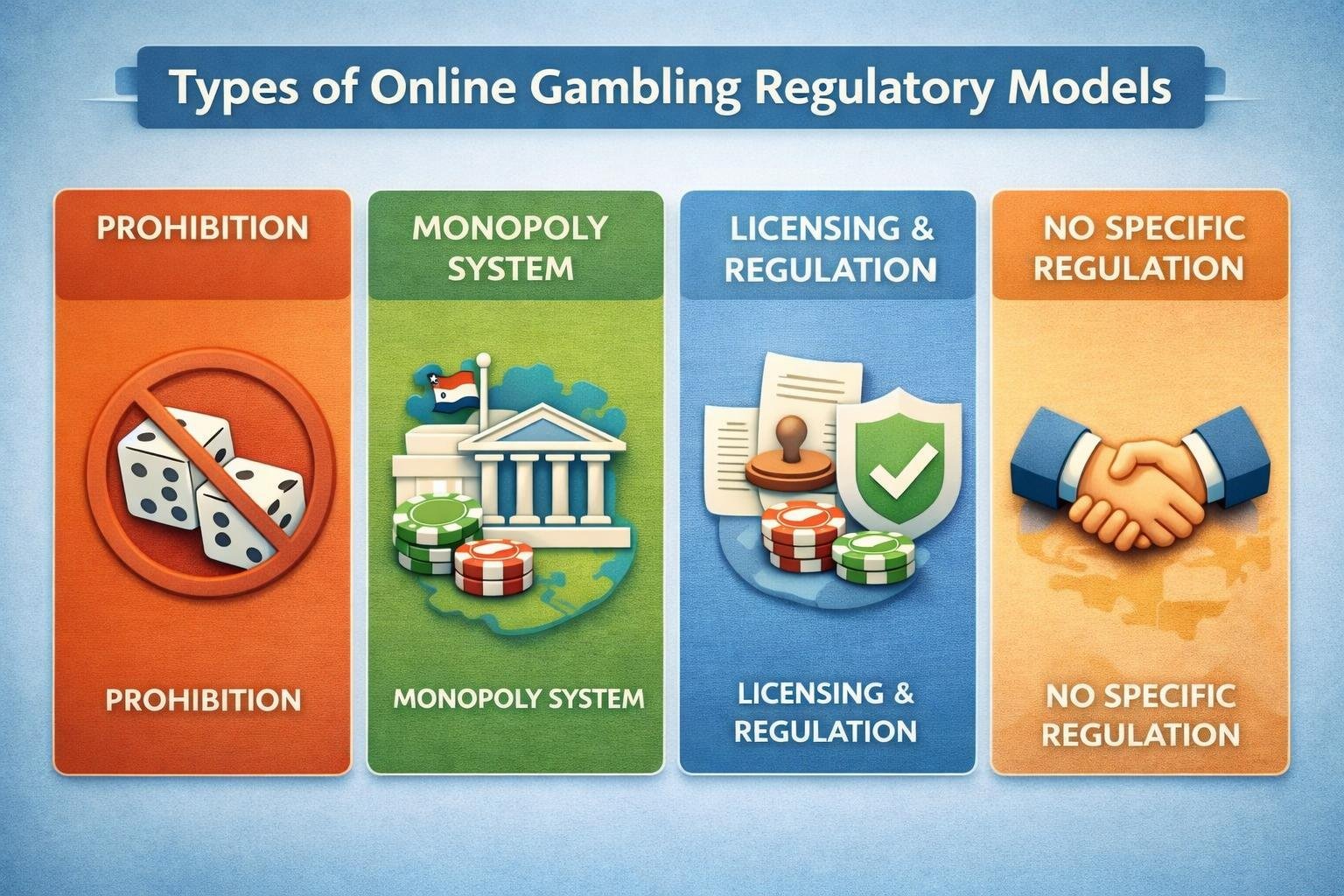
Different countries set up their own legal frameworks to control online gambling. These rules decide who can run casinos, what licenses mean, and how online betting works.
Common Regulatory Frameworks Table
To make things easier, here's a quick comparison of the main regulatory models:
|
Model Type |
License Access |
Market Structure |
Examples |
|---|---|---|---|
|
Open License |
Multiple operators allowed |
Competitive market |
UK, Malta, Gibraltar |
|
Monopoly |
Single state-controlled operator |
No competition |
Finland, Norway |
|
Limited License |
Small number of approved operators |
Restricted competition |
Greece, Netherlands |
|
Prohibited |
No legal operators |
Unregulated or banned |
Many Asian countries |
Most fully regulated markets use either open or limited license systems. Open license models let any company that meets the requirements apply for a permit.
Limited license systems cap the number of operators, usually through bidding or fixed quotas. Both approaches have their pros and cons, and honestly, it depends on the country’s goals.
Regional and Country-Specific Approaches
Europe, for example, leads the way in regulated online gambling. The UK’s Gambling Commission runs one of the most established open markets.
Malta and Gibraltar have become licensing hubs, serving operators that work across multiple countries. Their frameworks are pretty well tested at this point.
North America’s a bit more complicated. In the U.S., gambling rules change state by state, and each one decides if online casinos or sports betting are allowed.
Federal laws like the UIGEA make it harder for banks to process gambling payments. The Federal Wire Act also limits interstate betting, while other national laws sometimes get proposed to tighten things even more.
Canada takes a provincial approach, and the launch of iGaming Ontario in 2022 gave private operators a way in. Now, you see private platforms operating alongside government-run ones.
Latin America is opening up fast. Brazil just set up its own licensing rules, and Argentina regulates at the provincial level.
Online gambling in Asia is tricky. There’s huge demand, but strict bans in places like China. Some countries are thinking about special gambling zones to manage things safely.
The Philippines and a few others offer limited licenses to certain operators. It’s a shifting landscape, so always check the current rules for your country.
Emerging Regulatory Trends
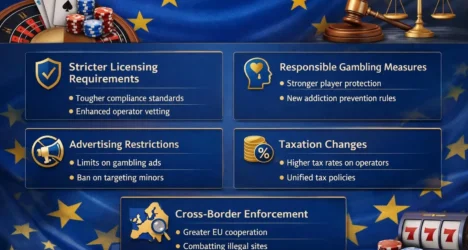
Looking ahead, regulators are putting much more emphasis on consumer protection and responsible gambling. New licenses now require deposit limits, self-exclusion tools, and ID checks as standard.
Cross-border cooperation is picking up, too. More regulators share data on problem gambling and banned operators.
Tax structures are changing as well. There’s a move toward taxing gross gaming revenue instead of just turnover.
Advertising rules are getting tighter. Many countries now limit when and how gambling companies can advertise, especially on social media or through sports sponsorships.
Technology Behind Regulatory Compliance

Online casinos rely on specialized software to meet legal requirements in different countries. These systems handle player checks, track transactions, and send reports to gaming authorities.
Compliance and Monitoring Systems
Modern casinos use real-time monitoring platforms to track every bet, deposit, and withdrawal. These systems spot suspicious activity like possible money laundering or unhealthy gambling patterns.
AI-driven tools now watch player behavior around the clock. They flag things like big deposits, frequent bets, or unusual withdrawal requests.
When something stands out, compliance teams get alerted right away. This helps keep things transparent and fair for everyone.
The software also keeps detailed audit trails. Every spin or bet gets logged with a timestamp and player ID.
Regulators can check these records during audits to make sure the casino’s playing by the rules.
Regulatory Technology Solutions
eCOGRA (eCommerce Online Gaming Regulation and Assurance) offers testing and certification for online casinos. They check that games are fair and that operators support responsible gambling.
Gaming Laboratories International tests casino games and systems for technical compliance. They look at random number generators, game math, and security in hundreds of jurisdictions worldwide.
Other tech providers supply full compliance packages. These include geolocation tools that block players from restricted areas, payment monitoring to stop fraud, and responsible gambling features like self-exclusion databases.
Operators build these solutions into their platforms to meet licensing requirements automatically. If you notice a casino has these certifications and tools, it's a good sign they're taking player safety seriously.
If you ever feel unsure, support is available. Healthy gambling habits include checking for these protections and reaching out for help when you need it. Most folks play safely, but remember—there's no shame in setting limits or asking questions about your casino’s license or responsible gaming tools.
Verification and Reporting Tools Table
|
Tool Type |
Primary Function |
Key Features |
|---|---|---|
|
KYC Software |
Identity verification |
Document scanning, facial recognition, age verification |
|
AML Systems |
Anti-money laundering |
Transaction monitoring, risk scoring, suspicious activity alerts |
|
RG Tools |
Responsible gambling |
Deposit limits, time-outs, self-exclusion management |
|
Reporting Platforms |
Regulatory submissions |
Automated data collection, compliance reports, API connections to regulators |
|
Game Testing |
Fairness verification |
RNG testing, payout verification, game certification |
Some countries let these verification tools connect straight to government databases. That means you might get your documents and financial info checked instantly when you sign up.
International Standards and Cooperation
International gambling regulation is a team effort. Countries and regulators join forces to handle cross-border operations, enforce laws, and create shared standards.
Regulatory authorities sign agreements and build networks to fight illegal gambling. They also work hard to protect players, no matter where those players live.
Global Regulatory Bodies Table
Here's a quick look at the major international gambling regulatory authorities shaping online casino standards in 2026:
|
Regulatory Body |
Jurisdiction |
Primary Role |
|---|---|---|
|
UK Gambling Commission |
United Kingdom |
Licensing and consumer protection for UK-facing operators |
|
Malta Gaming Authority |
Malta |
EU-based licensing hub for international operators |
|
Spillemyndigheden |
Denmark |
National gambling regulation and licensing |
|
Gibraltar Regulatory Authority |
Gibraltar |
Licensing jurisdiction for international online gambling |
|
Alderney Gambling Control Commission |
Alderney |
Offshore licensing for e-commerce gambling operations |
|
Isle of Man Gambling Supervision Commission |
Isle of Man |
International business licensing and regulation |
|
Spelinspektionen |
Sweden |
National gambling regulation and market supervision |
These organizations set licensing rules, technical standards, and compliance frameworks. Other countries often look to them for guidance.
The UK Gambling Commission and Malta Gaming Authority, in particular, set the bar pretty high with their strict requirements.
Cross-Border Enforcement
Cross-border enforcement is tricky, honestly. Online casinos can operate in several places at once, which makes things complicated for regulators.
Authorities try to stop illegal operators by blocking payments, blocking websites, and sharing information with each other. The UK Gambling Commission, for example, works with other European regulators to spot unlicensed operators.
Payment processors get lists of banned gambling sites and block transactions. Many countries also require geo-blocking, so players in unauthorized areas can't access certain casinos.
Licensed operators have to check where players are located. If they don't have approval in your region, they must refuse service.
Harmonization Efforts and Agreements
Regulatory harmonization mainly focuses on responsible gambling and anti-money laundering standards. The Malta Gaming Authority works with other EU regulators to line up licensing and player protection rules.
Denmark's Spillemyndigheden joins Nordic initiatives aiming to standardize gambling rules across Scandinavia. This helps operators who want to serve more than one market without jumping through totally different hoops every time.
Gibraltar and the Isle of Man have mutual recognition agreements, making licensing easier for some operators. Still, every country keeps its own priorities, so a single global standard isn't here yet.
Common Issues and How to Solve Them
Online gambling can be fun, but sometimes problems pop up. Unlicensed operators, legal disputes, and cross-border confusion are all things to watch out for.
It's important to know how to spot these issues and where to turn for help. Protecting your money and your rights matters, and support is available if you need it.
Unlicensed Casino Problems
Unlicensed casinos don't answer to any government authority. That puts players at risk—these sites might refuse to pay, mess with game outcomes, or just vanish with your money.
You can spot unlicensed operators by looking for missing license info in the footer, no regulatory seals, or a refusal to share licensing details. Some sweepstakes casinos claim they're legal by using promotions, but many operate in legal gray zones.
If you realize you've used an unlicensed casino, stop depositing right away and save all your transaction records. Recovering your funds is tough because these sites don't answer to regulators.
You can report them to organizations like eCOGRA or consumer protection agencies, but honestly, the odds of getting your money back aren't great. Prevention is your best tool here.
Before you sign up anywhere, check the regulator's website directly. Make sure the casino's license number matches the official registry.
Jurisdictional and Legal Disputes
Gambling across borders can get messy if you end up in a dispute. Offshore casinos licensed in places like Curaçao or Malta might not line up with the laws where you live.
Your legal rights depend on both your location and where the casino operates. In the US, for instance, some states and the federal government don't always agree. Some countries go after players who use offshore sites, while others just target the operators.
If a licensed offshore casino won't pay, taking legal action across borders is rarely easy. Start by using the casino's own complaints process. If that doesn't work, escalate to their licensing authority.
Many places require casinos to join alternative dispute resolution services. These groups help mediate conflicts between players and operators.
If the dispute involves a lot of money, you might consider talking to a lawyer who knows gaming law. Just keep in mind, cross-border lawsuits often cost more than you might recover.
Contacting Regulatory Authorities
Every licensing jurisdiction has its own way to handle player complaints. Knowing who regulates your casino is key before you reach out.
Major regulatory bodies include:
-
Malta Gaming Authority: File complaints through online forms at mga.org.mt
-
UK Gambling Commission: You'll need to contact the casino first before the Commission steps in
-
Gibraltar Regulatory Authority: Accepts complaints by email
-
Curaçao eGaming: Complaints go through master license holders, each with their own process
Before you contact a regulator, gather your evidence—screenshots, transaction records, emails, and a clear timeline. Most authorities won't step in until you've tried to resolve things with the casino directly.
Response times can really vary. UK regulators might get back to you in a few weeks, while offshore ones could take months. Not every complaint gets updates, since authorities usually step in only for bigger, systemic issues.
Pros and Cons of Regulated Markets
Regulated gambling markets give both players and operators a clear set of rules. But, like most things, there are trade-offs to consider.
Here's a quick rundown of the main pros and cons, so you can make sense of what regulation really means for you.
Four Advantages Table
|
Advantage |
Description |
|---|---|
|
Player Protection |
Regulated markets require tools like deposit limits, self-exclusion, and reality checks. Licensed casinos must check your age and identity to stop underage gambling. |
|
Fair Gaming Standards |
Regulators make sure independent labs test games and random number generators. This helps keep slot machines and table games fair, with payouts matching what's advertised. |
|
Financial Security |
Licensed casinos keep your funds separate from their business accounts. If a casino shuts down, you can still access your money. Regulated markets also provide clear ways to resolve disputes. |
|
Tax Revenue |
Governments collect taxes from regulated gambling to fund things like education and healthcare. Some of those funds support problem gambling programs and research too. |
Four Disadvantages Table
|
Disadvantage |
Description |
|---|---|
|
Higher Operating Costs |
Operators in regulated gambling markets pay licensing fees, taxes, and compliance costs. Because of these expenses, players might see fewer bonuses and promotions than on unregulated sites. |
|
Limited Game Selection |
Not every game provider gets licensed in each jurisdiction. Some favorite slots and live dealer games just aren't available in some regulated markets due to these restrictions. |
|
Strict Betting Limits |
Regulators often set maximum bet sizes and loss limits to help protect players. This keeps things safer, but it can frustrate high rollers who want to wager more. |
|
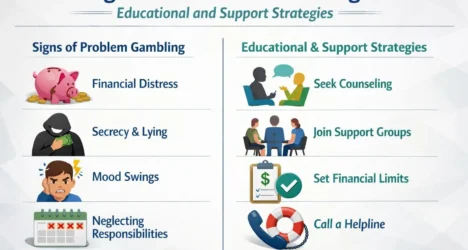
Geographic Restrictions |
Regulated online gambling sites use geolocation technology to check your location. You can only access licensed platforms when you're physically inside approved areas, so travel can limit your access. |
Responsible Gambling Regulations
Responsible gaming regulations create rules operators must follow to help prevent harm and keep players safe. These include tools like deposit limits and self-exclusion, which go a long way toward a safer environment.
Healthy habits include being aware of these tools and using them when needed. Responsible gambling initiatives also focus on spotting risky behavior early on.
Government authorities back these enforcement systems. Their main goal is to make sure player safety always comes before profit.
Mandatory Protection Measures
Regulated operators must offer specific tools to help you control your gambling. Deposit limits let you cap how much money you can add to your account per day, week, or month.
Time limits help you decide how long to play in a single session. Loss limits set a maximum amount you can lose over a certain period.
Self-exclusion tools allow you to block yourself from gambling sites for a set time, sometimes for months or even years. Many countries require operators to connect to national self-exclusion registers, so if you self-exclude from one site, you'll be blocked from others too.
Reality checks are another common feature. These pop-up messages remind you how long you’ve been playing and how much you’ve spent.
Some regulators require these checks every 30 to 60 minutes during active play. If you notice you’re ignoring these reminders, it might be time to pause and check in with yourself.
Regulatory Standards for Player Safety
Regulators expect operators to spot problem gambling patterns and step in before harm escalates. This goes beyond just offering tools—it means actively monitoring player behavior for warning signs like rapidly increasing deposits or long sessions.
Staff training is a big deal in mature markets. Customer service teams should know how to recognize when someone’s struggling and how to direct them to support resources.
Some places even require operators to submit reports on player safety and intervention rates. It’s important to have accountability, not just good intentions.
Marketing restrictions also play a role in protecting vulnerable groups. Most regulated markets ban ads targeting minors or suggesting gambling is a way out of money troubles.
Bonus offers often come with strict terms to keep things in check and prevent excessive risk-taking. If you’re unsure about a promotion, reading the fine print is always a smart move.
Available Resources and Enforcement
Players in regulated markets have access to free support services. National gambling helplines offer confidential counseling and treatment referrals if you ever need to talk things through.
Many regulators fund these programs through licensing fees or taxes on operators. That means support is available without extra cost to you.
Enforcement can look different from one country to the next. Usually, it includes license warnings, fines, or even suspending operators who don’t meet responsible gaming standards.
Serious violations—like letting underage players gamble or ignoring self-exclusion—can get an operator’s license revoked entirely. That’s a big deal and meant to protect you.
You can check operator compliance on regulator websites, which often publish enforcement actions and penalty notices. If you feel ignored or unsafe, you can file complaints directly with regulators.