

Playing at online casinos? You’ll need safe, quick ways to move your money around—there’s no way around it. In this Online Casino Payment Methods Guide 2026, I’ll break down how to choose the best tools for your budget and style.
Getting a handle on casino banking is honestly the first step to a stress-free experience. In my experience, the top payment methods for 2026 are e-wallets like eZeeWallet and Skrill, popular cryptos like Bitcoin and Ethereum, prepaid options such as Neosurf, Paysafe, and Paysafecard, plus the classics: credit cards and bank transfers.
Every method comes with its own quirks—different speeds, fees, and privacy levels. I’ve put these payment options through their paces so you don’t have to. This isn’t just theory; I’m sharing what actually works for both US and international casinos.
Pick your deposit method wisely and you might even land a better deposit bonus. Don’t just settle for what’s familiar—exploring your options will help you fund your account in the way that fits you best.
Choose poorly and you could be waiting days for a withdrawal or paying through the nose in fees. Some methods take minutes; others, well, you’ll be twiddling your thumbs for days. Privacy’s a big deal too—there are options that let you deposit without exposing your bank details. If you know how each method works, you’ll dodge a ton of headaches.
I’ll walk you through the nuts and bolts of casino payment methods. You’ll see which options get your winnings to you fastest, which ones keep your banking info private, and how to sidestep common payment pitfalls. Whether you’re a newcomer or a veteran ready to upgrade, I’ve got the practical advice you actually need.
Key Takeaways
-
E-wallets and crypto get you the fastest withdrawals; prepaid vouchers win for privacy
-
Fees, processing times, and security features vary widely between methods and can really shape your experience
-
Knowing the verification rules and typical payment snags helps you avoid delays and grab your winnings fast
What Are Casino Payment Methods?

Casino payment methods are simply the ways you move money into and out of your online casino account. They decide how soon you can get in the game and how quickly you’ll see your winnings hit your wallet. If you’re playing at a legal online casino, you want to know your funds are handled right.
Payment Methods Overview
Casino banking methods are the deposit and withdrawal options that online casinos offer. When you want to play real money games, you need a way to get funds into your account. Later, you’ll want to cash out—sometimes with the same method, sometimes not.
Common online casino deposit methods include:
-
Credit and debit cards (Visa, Mastercard, American Express, Discover). American Express and Discover are especially valued for their security.
-
E-wallets (PayPal, Skrill, Neteller, Venmo, eZeeWallet)
-
Prepaid vouchers and cards (Paysafecard, Neosurf, Play+ card, Play+ prepaid card)
-
Cryptocurrency (Bitcoin, Ethereum, Litecoin)
-
Online banking, bank transfer, ACH, e-check, and ach/echeck
-
Mobile wallets (Apple Pay, Google Pay), PayNearMe, and Cash App
-
Cash at the casino cage (if you’re near a partnered physical location)
Each option comes with its own speeds, fees, limits, and privacy perks. Some shine for deposits, others for withdrawals. Your best bet depends on what you care about most: speed, privacy, convenience, or high transaction limits.
History and Evolution of Casino Banking
Back in the mid-1990s, online casinos leaned almost entirely on credit cards and bank wires. If you wanted to move big money, a bank wire was really your only choice. I remember waiting days for those transfers to clear—it was painful.
Then e-wallets showed up in the early 2000s and honestly changed everything. PayPal, Neteller, Skrill—they gave players quicker transactions and a lot more privacy. Prepaid cards and vouchers followed, letting you deposit anonymously without even needing a bank account.
Cryptocurrency hit the scene around 2012. Suddenly, Bitcoin casinos and other crypto platforms offered instant deposits, same-day withdrawals, and total privacy. Legal online casinos and sweepstakes sites had to evolve fast to keep up with regulations and player demand.
Now, mobile payments and instant banking are everywhere. I see players using online bank transfers for direct access to their checking accounts. Casino deposits that used to take days now process in seconds. Instant or same-day withdrawals? That’s quickly becoming the norm at most reputable sites.
Popularity and Usage Trends
In 2026, e-wallets and crypto are leading the pack for speed and ease. Players—myself included—want instant deposits and fast withdrawals, not the old-school waiting game.
Credit and debit cards are still a go-to for deposits since everyone has one. But for withdrawals, most savvy players switch to e-wallets or crypto for the speed.
Privacy-focused players gravitate toward prepaid vouchers like Neosurf and Paysafecard—they’d rather not hand over banking details. For big cash-outs, bank transfers are still the standard even though they’re slower.
Where you live matters a lot. In the UK, PayPal rules. Canada? Interac is king. US players often turn to Bitcoin and bank transfers since e-wallet access is limited. I’ve seen these patterns repeat year after year.
Why Do Casinos Offer Multiple Payment Methods?
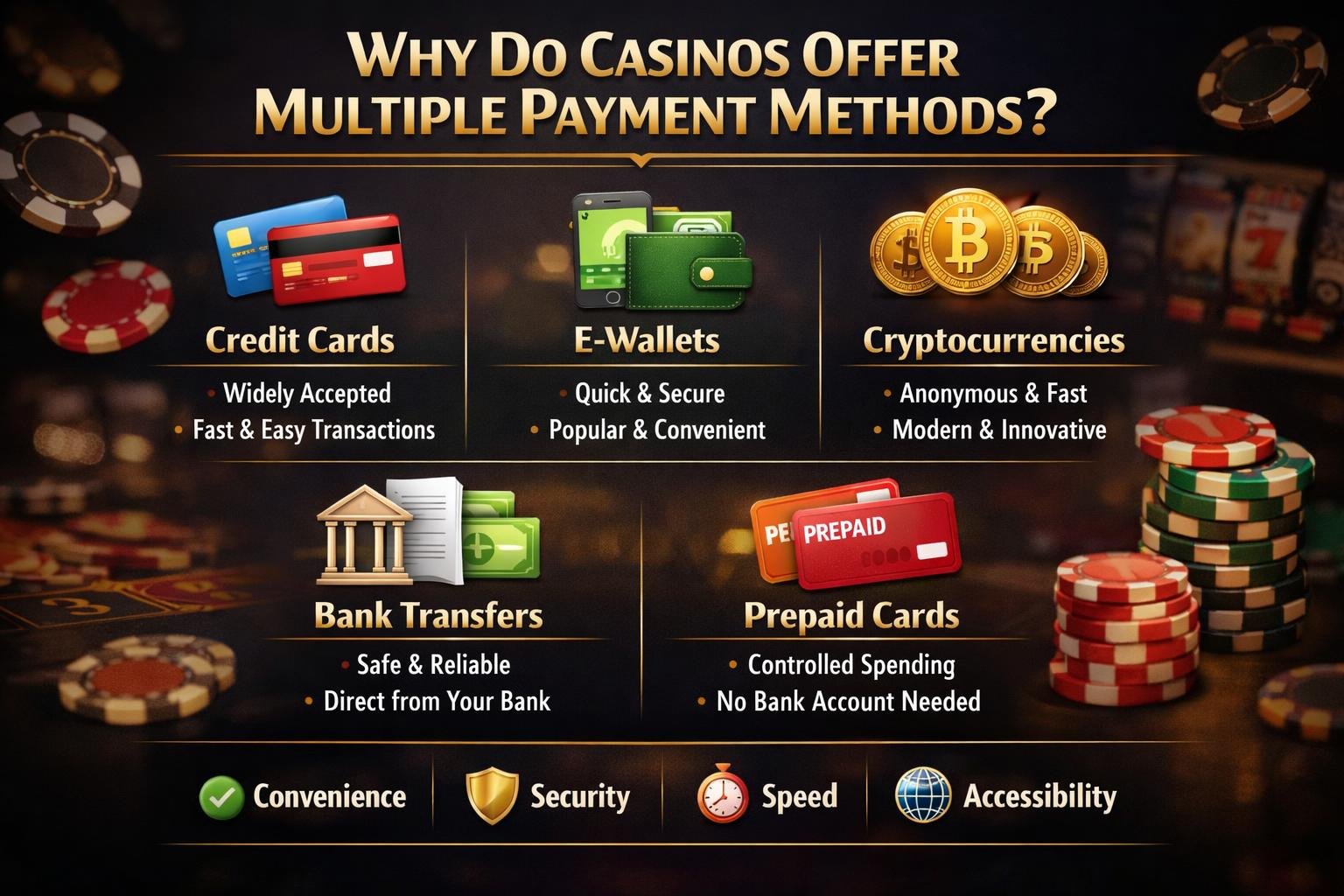
Casinos roll out a bunch of payment options so they can reach players across different regions and keep their edge in a crowded field. Offering variety also helps them manage transaction costs and stay on the right side of the law in each country.
Benefits for Casinos Table
|
Benefit |
Description |
|---|---|
|
Wider Market Access |
Different regions have their payment favorites, so offering more options brings in a global audience |
|
Lower Transaction Costs |
Directing players to cost-effective methods like e-wallets or crypto helps casinos keep fees down |
|
Reduced Payment Failures |
Having backup options means fewer declined transactions and less lost revenue |
|
Regulatory Compliance |
Some countries require or ban certain methods, so a wide selection keeps casinos compliant |
|
Bonus Strategy Flexibility |
Excluding certain methods from bonuses helps casinos control costs and limit bonus abuse |
Player Convenience and Market Reach
Banking preferences shift a lot by country. I’ve seen European players stick with bank transfers and cards, while folks in Asia and Latin America lean toward e-wallets or prepaid vouchers.
Mobile payments are a whole other story—adoption rates are all over the map. These days, finding an Apple Pay casino is easier than ever. Many sites also push cards like American Express and Discover to appeal to a wider crowd. When casinos meet these regional needs, they pull in players who might otherwise look elsewhere.
Bonus eligibility often comes down to payment method. Some casinos block certain options from welcome bonuses because of fraud risk or higher fees. That’s why it pays to have a few methods up your sleeve if you want to snag the best promos.
Competitive Advantage Table
|
Competitive Factor |
Impact on Casino Success |
|---|---|
|
Payment Speed |
Fast withdrawals via crypto and e-wallets attract players who hate waiting for their money |
|
Privacy Options |
Offering Paysafecard or crypto brings in privacy-focused players |
|
High Roller Support |
High-limit methods like bank transfers and crypto appeal to serious bettors |
|
Mobile Integration |
Apple Pay and Google Pay support gives casinos an edge with mobile-first players |
|
Exclusive Methods |
Newer options like MuchBetter or AstroPay can set a casino apart from the herd |
When a casino skips the payment methods people want, it basically hands those players to the competition. If you’re into crypto or mobile payments and a site only takes cards, you’ll just move on to one that fits your needs.
Benefits for Players

Knowing your payment options gives you a real edge at online casinos. The right choice means faster withdrawals, lower fees, and better control over your bankroll.
Flexibility and Control
Modern payment methods put you in the driver’s seat. Using a Skrill casino, I can keep my gaming budget separate from my main account—super handy. MiFinity even lets me set up virtual cards I can freeze in a pinch.
E-wallets add a buffer between your main bank account and your casino funds. I always load up just what I’m willing to spend, which helps me stick to my limits. With regular cards, your bank sees every move, and some banks let you add gambling blocks if you need a break.
Speed matters too. Trustly links straight to my bank and gets withdrawals done in minutes or a few hours, not days. When I win, I want my cash fast—otherwise, it’s way too easy to play it back. Crypto withdrawals can be just as quick, clearing in about 15–30 minutes after the casino gives the green light.
Payment Method Comparison Table
|
Method |
Deposit Speed |
Withdrawal Speed |
Withdrawal Fees |
Best For |
|---|---|---|---|---|
|
Revolut |
Instant |
1-3 days |
Foreign exchange fees possible |
Budget control |
|
Trustly |
Instant |
Minutes to hours |
Usually free |
Fast withdrawals |
|
Visa |
Instant |
1-5 days |
Bank fees possible |
Wide acceptance |
|
Mastercard |
Instant |
2-5 days |
Bank fees possible |
Familiar option |
|
MiFinity |
Instant |
0-2 days |
Low fees |
E-wallet flexibility |
|
Crypto |
15-30 minutes |
15-30 minutes |
Network fees |
Privacy and speed |
|
Skrill |
Instant |
24 hours |
Low fees |
Established e-wallet |
Accessibility Across Regions
Payment options shift depending on where you are, but in my experience, most regions now offer a healthy mix of choices. Visa and Mastercard seem to work at nearly every casino I’ve played, so they’re my go-to fallback when some of the trendy new methods just aren’t there.
European players get access to Trustly at a ton of MGA-licensed casinos. Revolut has spread across Europe and even pops up in a few other markets. MiFinity’s reach has grown a lot too—I’ve seen it available in dozens of countries lately.
If you want to skip regional headaches, crypto payments are the way to go. I’ve used Bitcoin, Ethereum, and USDT at plenty of crypto-friendly casinos without ever worrying about my location. That’s a lifesaver in places where banks just don’t play ball with gambling sites.
Some countries have annoying restrictions. Banks sometimes block gambling transactions on credit cards, and every now and then, e-wallets like Skrill or Neteller hit regional snags. I always check what’s accepted for my country before even thinking about signing up.
US players get their own set of banking options. I’ve found that online bank transfers are usually the simplest, but some folks prefer PayNearMe or even cash at the casino cage—especially at regulated sites. It’s all about what feels easiest for you.
How to Use Casino Payment Methods
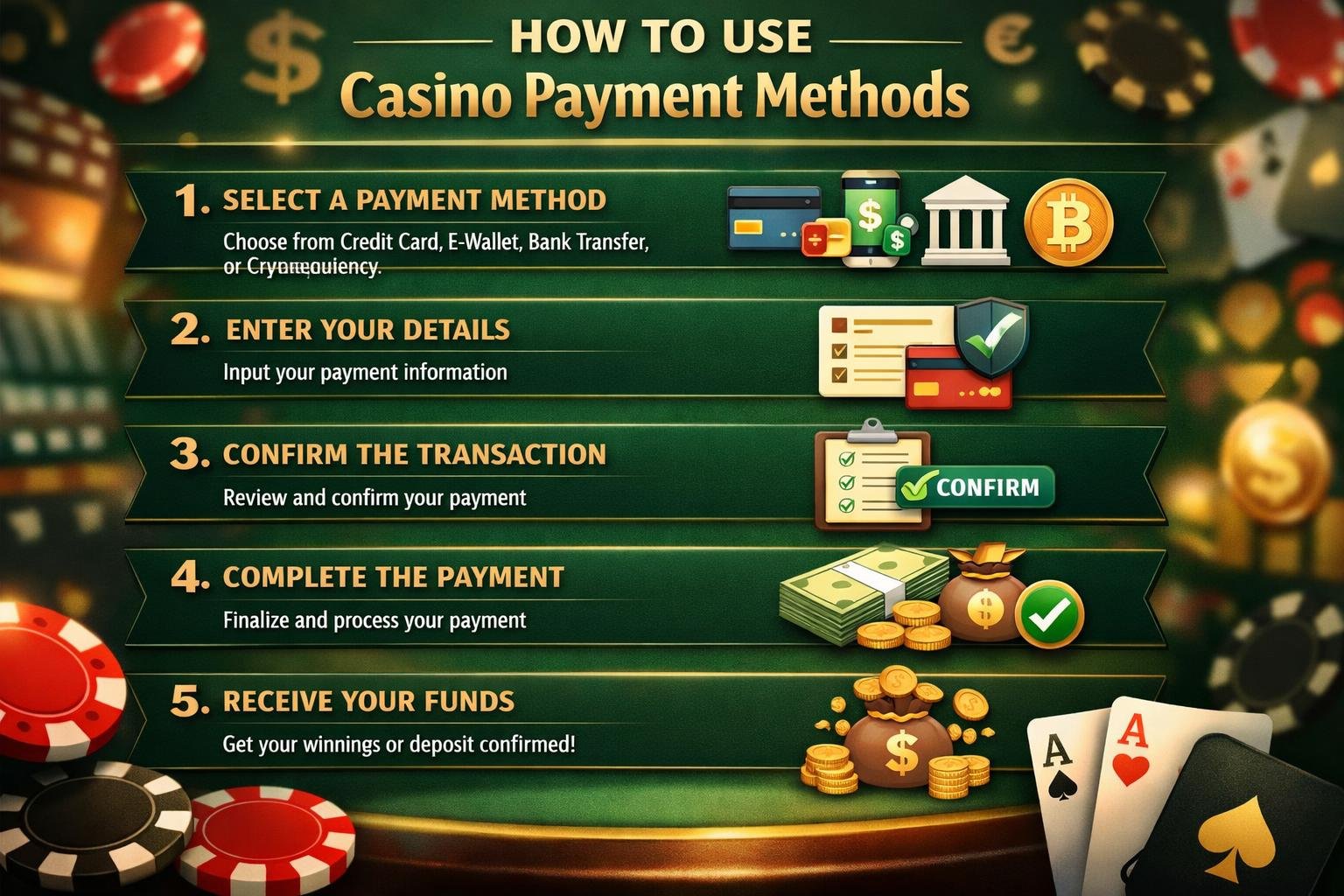
Depositing and withdrawing at online casinos isn’t rocket science, but knowing a few tricks can make your life a lot easier. I’ll walk you through the process and drop in some tips I wish someone had told me years ago.
Deposit and Withdrawal Process
First thing, I log in and head straight to the cashier page. That’s where I pick my payment method. Some sites, like Borgata or Horseshoe Casino, even let you deposit cash at the cage. If you like handling real money, that’s a solid option.
For deposits, I just pick my preferred method and type in how much I want to add. Most casinos want at least $10 or $20. Then I enter my payment details or log into my e-wallet to confirm. Play+ prepaid cards have made this step a breeze for me.
Sometimes, certain deposit methods trigger an instant bonus. Cards and e-wallets usually process deposits right away. The cashier page will show you the limits for each method before you hit confirm—always worth a quick glance.
Withdrawals take a bit more effort. I go to the withdrawal section, pick my payout method, and enter the amount. Most casinos want you to use the same method you deposited with, so I keep that in mind.
For your first withdrawal, the casino might ask you to verify your identity. I’ve had to upload my ID and proof of address more times than I can count. It’s a pain, but regulations require it. Usually, the process takes about 24 to 48 hours.
Tips and Strategies for Beginners
If you’re new, stick with payment methods you already use—like your regular debit card or bank account. It’s so much easier to keep track of your spending that way. Whether you want digital speed or just something familiar, pick what fits your style.
Always check deposit and withdrawal limits before you commit. Knowing the max withdrawal helps you plan for those big wins. Processing times matter, too—some methods are lightning fast, others drag on longer than you’d expect.
I steer clear of credit cards for gambling. It’s just too easy to get in over your head. I only use money that’s actually in my account. Setting a monthly budget keeps me honest and stops things from getting out of hand.
One habit I recommend: keep a simple record of your deposits and withdrawals. It helps with tracking your play, and if you ever need it for taxes, you’ll thank yourself.
Advanced Payment Optimization Techniques
Want fast withdrawals? Use e-wallets like Skrill or MiFinity. In my experience, they process payouts in hours instead of days. I make sure my e-wallet account is fully verified ahead of time—nothing worse than waiting on paperwork when you’re ready to cash out.
I always compare transaction fees. Some methods sneak in extra costs, but Trustly and online banking tend to be cheaper than a lot of e-wallets. For big wins, I’ve found wire transfers or VIP Preferred are reliable, even if they take a bit longer. Security’s worth the wait, especially for larger sums.
If you play at multiple casinos, using one main payment method across all sites simplifies your life. It makes tracking spending way easier and keeps your records tidy. I’ll also grab payment method bonuses when they’re available, but I always read the fine print—some of those offers have weird strings attached.
Don’t let big balances sit in your casino account. I pull out my winnings regularly. It’s a simple way to protect your profits and avoid the urge to just keep spinning.
Types of Payment Methods
Online casinos accept all sorts of payment options—cards, bank transfers, e-wallets, prepaid vouchers, and now even crypto. Each has its quirks, and what works best depends on where you’re playing and what you value most. I’ve tested them all, and honestly, it pays to experiment a bit and see what clicks for you.
Common Payment Types Table
|
Payment Type |
Examples |
Deposit Speed |
Withdrawal Speed |
Best For |
|---|---|---|---|---|
|
Credit/Debit Cards |
Visa, Mastercard, American Express, Discover |
Instant |
1-5 days |
Beginners, wide acceptance |
|
E-Wallets |
PayPal, Skrill, Neteller, ecoPayz |
Instant |
Instant to 24 hours |
Fast payouts, privacy |
|
Bank Transfers |
Online banking, VIP Preferred, bank wire transfer, bank wire, SEPA, e-check, ach/echeck |
1-3 days |
3-7 days |
Large withdrawals, high limits |
|
Prepaid Cards/Vouchers |
Paysafe, Paysafecard, Neosurf, Play+ card, VanillaDirect |
Instant |
Not available (deposit only); paper check alternatives vary |
Privacy, budget control |
|
Cryptocurrency |
Bitcoin, Ethereum, Litecoin |
Instant |
Minutes to 24 hours |
Maximum privacy, speed |
|
Instant Banking |
Trustly, Interac, POLi, Sofort |
Instant |
1-3 days |
Direct bank connection |
|
Mobile Payments |
Apple Pay, Venmo, pay by phone, PayNearMe |
Instant |
Varies |
Convenience, mobile users |
|
Cash |
Cash at the casino cage, PayNearMe |
Instant |
Instant |
In-person transactions, privacy |
In my experience, card payments—especially Visa and Mastercard—still lead the pack at most online casinos. Instant deposits make them super convenient, but don’t expect lightning-fast withdrawals; cards just can’t keep up with e-wallets or crypto when you’re cashing out.
Regional and Casino-Specific Options
Every country seems to have its own quirks when it comes to casino payments. Canadians swear by Interac for instant banking and quick payouts. If you’re playing from Australia, you’ll run into POLi and Neosurf all the time at paysafecard casinos.
The US is a different animal. Players there deal with more restrictions at legal sites than just about anywhere else. ACH, Play+, and VIP Preferred have become the go-to methods at regulated casinos. I’ve also seen sweepstakes casinos step in with some creative legal workarounds, but Visa casinos remain popular for card fans.
Europeans get a wider spread—SEPA bank transfers, Trustly, Sofort, and paysafecard are all on the table. The UK? Honestly, UK players have it best. They can use PayPal, nearly every e-wallet, and enjoy fast processing. Just keep in mind, withdrawal times swing wildly depending on the casino’s license and your country.
I’ve run into casinos that roll out their own branded prepaid cards, like Play+. These usually work only on that platform but offer instant deposits and withdrawals that can rival e-wallet speeds.
Emerging Payment Technologies
Crypto payments have exploded in the last few years. What started as a niche is now mainstream—Bitcoin casinos now take dozens of coins, not just BTC. I’ve found that crypto deposits and withdrawals are often the fastest, sometimes done in minutes. If you’re big on privacy or just don’t want to hand over banking details, dedicated crypto casinos are hard to beat.
Mobile payment options are everywhere now. You won’t have trouble finding a Skrill or Apple Pay casino. Pay by phone is a neat trick, letting you charge deposits straight to your mobile bill—super handy if you’re out and about.
Instant banking solutions like Trustly have changed the game. They let you connect directly to your online bank account, no extra accounts needed. Deposits hit instantly, and some casinos even process withdrawals back through Trustly in a day or two.
E-checks are basically digital versions of old-school checks, but they’re faster. They won’t outpace cards, but if you’re not keen on using your debit or credit card, it’s a solid backup.
Security and Technology Behind Payments
Casinos these days rely on some serious security tech to keep your money and data safe. I’ve seen modern sites layer on encryption, use specialized payment processors, and deploy automated fraud detection to lock things down tight.
Encryption and Security Protocols
Every legit casino I’ve tested uses SSL encryption and partners with trusted third-party processors. It’s the same stuff banks use, and it’s non-negotiable if you care about your privacy. In 2026, robust fraud protection is just standard practice for any operator worth your time.
Want to check if a site’s secure? Look for that little padlock in your browser bar. That’s your sign the casino encrypts your connection. Most sites also have teams watching for weird financial activity—trust me, I’ve triggered a few alerts myself when testing limits.
SSL encryption scrambles your info so nobody can read it if they intercept the data. These days, casinos stick to 128-bit or 256-bit SSL encryption. To put it bluntly, nobody’s cracking that any time soon.
I always recommend checking for a valid license and SSL certificate before you deposit a cent. Operators also use KYC checks to make sure you’re of age and legit. On top of that, TLS (Transport Layer Security) protocols help guarantee you’re connecting to the real casino, not some sketchy clone. That’s essential for keeping your deposit methods safe.
Payment Processor Technologies
I’ve watched payment processors step up as the middlemen between your bank and the casino. They handle the actual money movement, but more importantly, they add extra security.
One thing most players miss? Tokenization. Instead of storing your card number, the processor creates a one-time token for each transaction. The casino never actually sees your real payment details—huge for privacy.
Visa, Mastercard, and most e-wallets now use 3D Secure. You’ll get an extra verification step, usually through your bank’s app or a text code. Crypto payments do their own thing with blockchain, creating a permanent, tamper-proof record of every transaction. That’s why they’re so popular with privacy-focused players.
Fraud Prevention Table
|
Security Feature |
What It Does |
Why It Matters |
|---|---|---|
|
Multi-factor authentication |
Requires password plus code from phone |
Stops unauthorized account access |
|
Velocity checks |
Monitors number and size of transactions |
Catches unusual spending patterns |
|
Geolocation verification |
Confirms you're in an allowed region |
Prevents illegal access |
|
KYC verification |
Confirms your identity with ID documents |
Stops money laundering and fraud |
|
PayNearMe security |
Uses unique barcodes for cash deposits |
No banking details shared online |
|
Device fingerprinting |
Tracks the device you use to log in |
Alerts casino to suspicious logins |
From what I’ve seen, casinos now use real-time AI to watch for shady transactions. If something looks off, they’ll freeze the action and reach out to you. That’s saved me and plenty of others from headaches more than once. It’s not perfect, but it’s a solid safety net for your privacy and your cash.
Licensing and Fair Play

Licensed casinos have to follow strict rules that protect your money and personal info every time you deposit or withdraw. Regulated markets force casinos to verify your identity and stick to fair payment processes, all under the watch of independent regulators. I’ve found that if a casino’s licensed, you’re already ahead of the curve in terms of safety.
Regulatory Standards Table
In my experience, every licensed casino falls under a different regulatory body depending on where it operates. Each region creates its own rules for payment processing and player protection, so you’ll notice a lot of variation.
|
Regulatory Body |
Region |
Key Requirements |
|---|---|---|
|
Malta Gaming Authority |
Europe |
AML compliance, segregated player funds, payment audits |
|
UK Gambling Commission |
United Kingdom |
KYC verification, responsible gambling tools, dispute resolution |
|
New Jersey Division of Gaming Enforcement |
United States |
Identity verification, geolocation checks, payment security |
|
Curacao eGaming |
International |
Basic licensing, payment transparency, fair gaming |
Always check a casino’s license before you deposit. Legit sites show their license number in the footer—don’t just take their word for it. I usually pop over to the regulator’s website and verify the number myself. It takes two minutes and can save you a heap of trouble.
Consumer Protection and Chargebacks
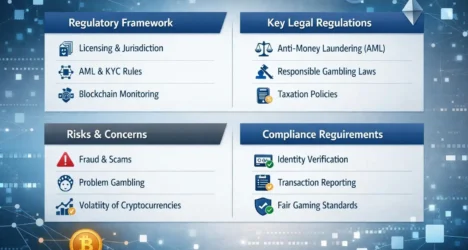
Regulated casinos protect your payment info with strong encryption and secure processing. They’ll ask you to complete Know Your Customer (KYC) checks before letting you withdraw, so be ready for that.
You’ll need to upload a government-issued ID, proof of address, and sometimes proof of payment method. This KYC step is industry standard. Most casinos finish it in 24-48 hours, though I’ve seen it go faster if your docs are clear.
Keep an eye on bonus wagering requirements—those can trip you up if you’re not careful. If you ever need to dispute a transaction, regulated markets let you request chargebacks through your payment provider. Credit cards and eWallets like PayPal usually offer solid buyer protection for unauthorized charges.
Be careful, though: if you file frivolous chargebacks, casinos can and will shut down your account. I’ve seen it happen more than once.
Compliance and Certifications
Licensed casinos don’t mess around with Anti-Money Laundering (AML) rules. They actively monitor transactions and flag anything that looks off.
Casinos have to report large deposits or withdrawals and will ask for source-of-funds proof if you go over certain limits—usually $2,000 to $10,000, depending on where you play. Don’t be surprised if they request extra paperwork for big wins or deposits.
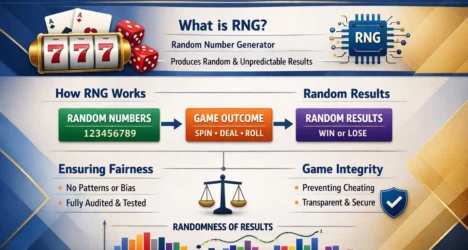
Most reputable sites also carry certifications from independent testers like eCOGRA or iTech Labs. These agencies check that payment systems work fairly and that the RNGs aren’t rigged. If you don’t see any seals from these groups, I’d think twice before depositing.
Common Issues and How to Solve Them
No matter how good your payment method is, you’ll eventually hit a snag. I’ve dealt with rejected deposits, delayed withdrawals, and endless verification requests more times than I can count. Here’s what most players miss—and how to fix it fast.
Deposit and Verification Problems
Deposits fail all the time for reasons like wrong card details, not enough funds, or your bank blocking gambling transactions. Double-check your info before you hit submit. Some banks just don’t like casino payments—if that’s the case, call them and ask for an exception.
Verification is a hurdle you can’t skip. Casinos need you to prove your identity before they’ll pay out. That means uploading a photo ID, proof of address, and sometimes a shot of your payment card.
Don’t wait until you cash out to complete KYC. Do it right after you register—it saves you a headache later. Some deposit methods charge fees, so always check before you choose one. Free isn’t always free, and small charges can add up.
If your documents get rejected, it’s almost always because they’re blurry, expired, or missing info. Make sure everything is clear and shows all corners. I’ve had uploads bounce back just because a corner was cut off.
Withdrawal Delays and Limits
Withdrawal limits are all over the map, depending on the casino and payment method. I’ve seen daily caps as low as €500 and monthly limits up to €10,000. Plan ahead if you’re playing big.
E-wallets like Venmo and MiFinity usually pay out faster than cards. Trustly and similar banking options can move money in minutes or a few hours. Visa withdrawals? Expect 1-5 days. Crypto is the speed king—sometimes just 15-30 minutes.
If you’re near a casino with a physical cage, cash withdrawals are instant. I’ve used this trick in Atlantic City—no waiting, just walk up and grab your winnings. Always check for withdrawal fees. Some casinos sneak them in, and they’ll eat into your profits if you’re not careful.
Delays usually happen when you haven’t finished verification or it’s your first withdrawal. Unmet bonus requirements can also put the brakes on your payout. Weekends and holidays slow everything down—nothing you can do but wait.
If your money’s late, check your account for pending verification requests. Sometimes casinos want extra docs before they’ll release your funds. Don’t ignore those notifications.
Contacting Casino Support
If you run into trouble, I always hit up live chat first. It’s the quickest way to sort out deposit or fee issues. Good casinos have live chat 24/7, but some smaller ones don’t—so check before you sign up.
Email support is fine for stuff that isn’t urgent, but don’t expect a reply in under 12 hours. Phone support exists, but honestly, it’s rare these days.
Before you contact support, gather your transaction IDs, screenshots, and the dates of your deposits or withdrawals. The more info you have, the faster they’ll fix your problem.
If support ghosts you or refuses to help, escalate it to the licensing authority. Both MGA and Curacao have complaint procedures, and I’ve seen players get results when they go that route.
Pros and Cons of Different Payment Methods
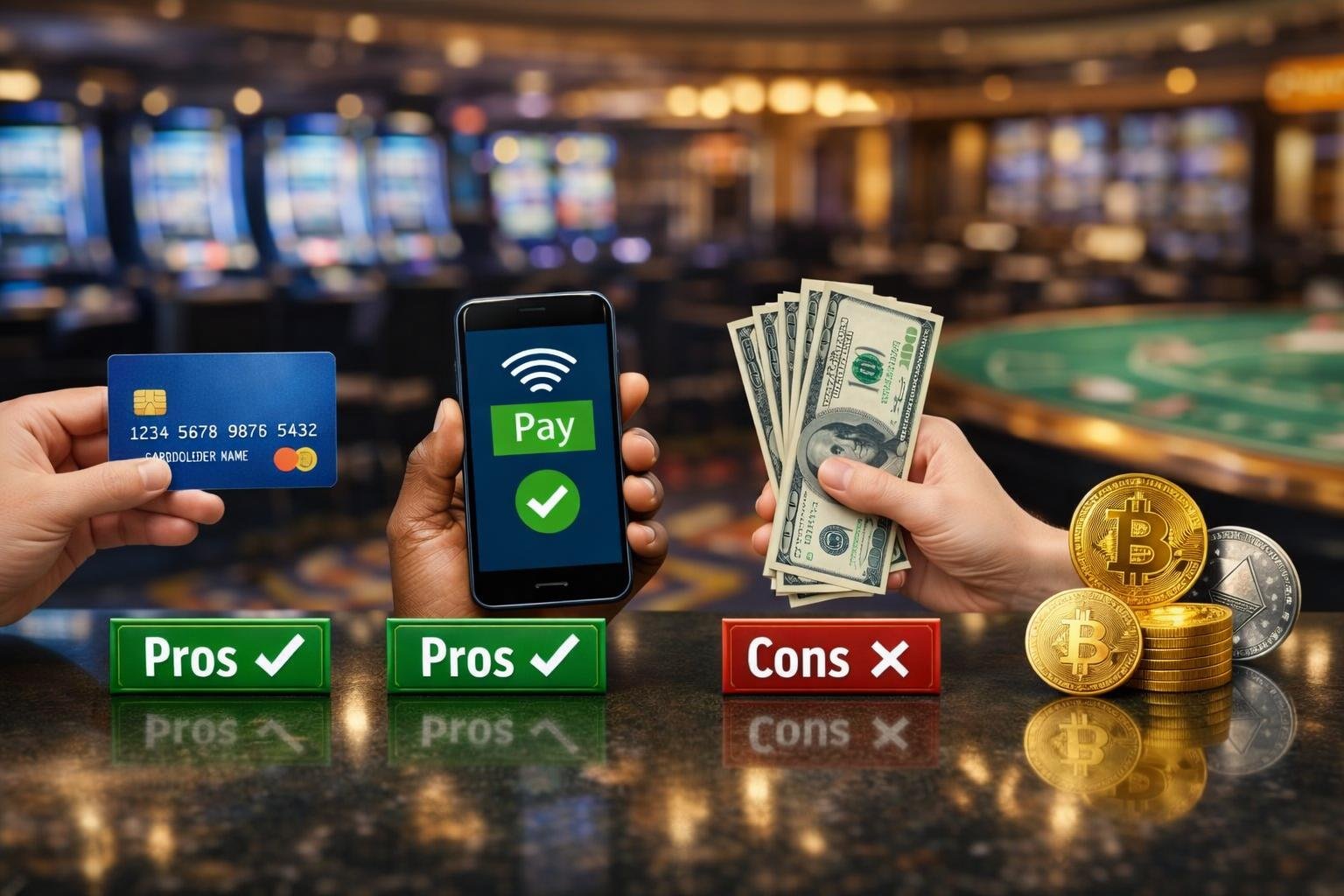
Every payment method has its quirks—some are fast, some are cheap, some just work better for certain players. Here’s the real breakdown, based on what I’ve actually seen after testing dozens of sites.
Four Advantages Table
|
Payment Method |
Speed |
Security |
Cost Benefits |
|---|---|---|---|
|
eWallets |
Instant deposits, 24-48 hour withdrawals—easily the fastest option I’ve used |
Multi-factor authentication and encryption keep your banking details away from casino staff |
Most don’t charge payment fees, though you’ll sometimes see small transaction costs |
|
Credit/Debit Cards |
Deposits are instant, so you’re playing within seconds |
Visa and Mastercard offer solid fraud protection and easy chargebacks if you need them |
Accepted almost everywhere—no need to set up special accounts |
|
Cryptocurrency |
Deposits and withdrawals finish in minutes—nothing else comes close |
Complete anonymity shields your identity and financial info |
Transaction fees are usually low compared to banks |
|
Bank Transfers |
High withdrawal limits let you move big sums safely |
Direct bank-to-bank transfers offer top security for your money |
No middleman, so fewer people ever see your sensitive info |
Four Disadvantages Table
|
Payment Method |
Processing Delays |
Fee Concerns |
Limitations |
|---|---|---|---|
|
eWallets |
Some casinos drag their feet on eWallet withdrawals—don’t always trust “instant” claims |
Currency conversion fees can hit you if you’re playing in a different currency |
Not every country or region supports eWallets |
|
Credit/Debit Cards |
Withdrawals usually take 3-5 business days—be patient |
Banks love to tack on cash advance fees, sometimes up to 5% per transaction |
Some places don’t allow credit card gambling deposits at all |
|
Cryptocurrency |
Crypto values swing wildly—your deposit could be worth less (or more) when you cash out |
Exchange fees apply when you convert back to regular money |
Not every casino accepts crypto, and minimum deposits can be higher |
|
Bank Transfers |
Deposits and withdrawals can take 3-7 business days—painfully slow sometimes |
Banks may charge $15-30 for international transfers—yep, it adds up |
Handing over your bank details to casinos isn’t for everyone—privacy matters |
Responsible Payment Management
If you want to keep your bankroll safe (and your sanity intact), set clear boundaries on your casino spending. Over the years, I’ve learned a few tricks to keep things under control—let’s dive in.
Setting Deposit Limits
Most legit casinos let you set daily, weekly, or monthly deposit caps right in your account. Set an amount you’re truly okay with losing before you ever make that first deposit. Trust me, it’s a lifesaver during a cold streak.
You can tweak these limits in the responsible gambling section. Just remember: raising your limit usually has a 24-48 hour wait, but lowering it takes effect immediately. Prepaid cards like Neosurf or Paysafe work as natural limits—you can only spend what’s on the voucher. Play+ cards also let you load a set amount just for gaming.
Common limit options:
-
Daily deposit cap
-
Weekly spending maximum
-
Monthly budget restriction
-
Loss limits per session
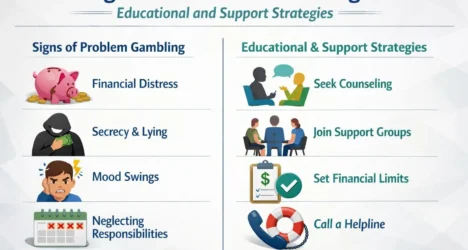
Recognizing Financial Warning Signs
Let’s get real about the red flags that show up when your gambling habits start to go sideways. In my experience, chasing losses by making deposit after deposit in a single session is one of the biggest warning signs you’ll ever see.
If you’re dipping into money that should cover bills or groceries just to fund your casino account, that’s a sign things are off track. I’ve seen plenty of players ignore this, but it always catches up with them.
Hiding casino transactions from your partner or family? That’s another classic indicator. Borrowing money just to gamble or feeling restless and anxious when you can’t log in—these are all trouble spots.
If you’re checking your casino balance more than your bank account, it’s time to pause and think. I’ve noticed some folks even switch to faster payment methods just to dodge the cooling-off period that slower options force on you. That’s risky territory.
Available Tools and Support
Most decent casinos let you block yourself from your account—sometimes for just 24 hours, sometimes for good. I always suggest using self-exclusion if you feel things slipping. Casinos usually process these requests right away.
Cooling-off periods work almost the same, but they’re shorter—typically anywhere from a day up to a month. Sometimes a short break is all you need to get your head straight.
Tools I can use:
-
Reality checks: Pop-ups that remind you how long you’ve been playing. Easy to ignore, but they help if you pay attention.
-
Session time limits: The casino logs you out automatically after a set time. I’ve found this surprisingly effective for curbing marathon sessions.
-
Account closure: When you know you’re done, just close it down and walk away. It’s final, but sometimes that’s what you need.
-
Multi-operator exclusion: Programs like GAMSTOP (UK) block you from multiple casinos at once. I’ve seen players try to dodge this, but it works if you’re serious.
Support organizations like the National Council on Problem Gambling (1-800-522-4700) and Gamblers Anonymous are out there if you want to talk to someone who gets it. In a pinch, casino customer support can activate any of these tools for you—just ask. Don’t wait until it’s too late.