Progressive jackpot slots are where dreams get wild—these beasts offer some of the biggest payouts you'll ever see in casino gaming. When those prize pools start climbing into the millions, you can feel the energy on the casino floor or even at home on your phone.
If you’re new to playing slots, just know: progressives are high-volatility, high-reward territory. The mechanics are a bit different from your standard fixed-jackpot games, and that’s honestly what makes them so electrifying.
Unlike regular slots, where the jackpot is always the same, progressive games take a little slice of every bet and toss it into a shared pot. That pot keeps growing—sometimes at a ridiculous pace—until someone finally hits the magic combo and scoops the lot.
Online casinos love these titles because they attract players who want to turn a tiny bet into something massive. And hey, who doesn’t want that?
Here’s how it works: every time you or I spin the reels, a small percentage (usually about 1% to 5%) gets added to a central jackpot pool. That pool just keeps rising until someone, somewhere, lands the winning symbols and takes it all. Once that happens, the jackpot resets to a base amount and the whole cycle starts again—honestly, it’s a never-ending chase, and that’s part of the thrill.
The draw of progressive slots is obvious. Sure, the odds of winning are lower than on regular slots, but the potential payout? It’s the stuff of legend. I’ve watched jackpots climb into the tens of millions, and you can literally feel the buzz as more and more players jump in for a shot at a life-changing win.
There are all sorts of progressives out there—some are standalone, others are networked across multiple casinos, even globally. Each type has its own vibe and payout potential.
Key Takeaways
-
Progressive slots build jackpots by pooling a portion of every bet until someone finally lands the big one.
-
You’ll find different types—standalone, local, and networked—each with its own jackpot size and growth speed.
-
Knowing the game mechanics and keeping a tight handle on your bankroll makes a huge difference if you want to play progressives smartly.
How Progressive Jackpot Slots Work
Progressive jackpots are all about that growing prize pool—the anticipation builds with every spin, and it’s a rush knowing your bet could be the one that triggers a life-changing win. The mechanics involve player contributions, random number generators, jackpot resets, and those heart-pounding trigger features.
Jackpot Pool and Contribution Mechanism
Every time I hit spin on a progressive slot, a tiny chunk of my wager feeds the jackpot. That’s usually 1% to 5% of the bet, and it’s what keeps the prize pool climbing, sometimes minute by minute.
You’ll see a few different flavors of progressives. Some are limited to a single machine—these are the standalone types. The jackpot only grows as people play that one slot, so you’ll see smaller but more frequent wins.
Networked progressives are where things get wild. These connect multiple machines—sometimes across entire countries or continents. Games like Megabucks or Mega Moolah are legendary because they pool bets from thousands of players, and the jackpots can get absolutely huge.
Some networks are local (just one casino), while others are wide-area (across many casinos). No matter what, every connected spin feeds that central pot, and you can feel the tension rise as the numbers tick up.
That’s why progressive slots can dwarf regular slot payouts. I’ve seen jackpots go over $10 million. The prize just keeps snowballing until someone finally hits it.
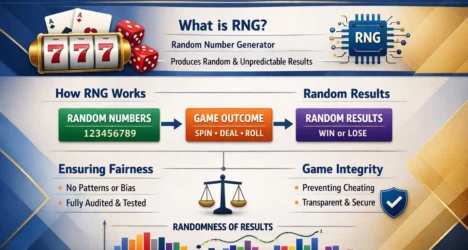
Role of the Random Number Generator (RNG)
The RNG is the heart of every slot, progressive or not. It’s a computer program that spits out thousands of number sequences every second, each mapped to a specific reel outcome.
When I press spin, the RNG picks a number right at that instant—that’s what decides what lands on the reels. If it’s the jackpot combo, boom, you win. If not, well, the chase continues.
Progressives use the same RNG tech as regular slots, but the jackpot-winning combo is usually much rarer. That’s why the anticipation can get so intense—you never know when that next spin will be the one.
One thing to keep in mind: progressive slots usually have a lower base RTP (return to player) than standard slots. That’s because a chunk of every bet goes to the jackpot pool. It’s important to know the RTP so you can set realistic expectations and not get carried away.
Jackpot Reset and Seed Amount
When someone finally nails the progressive jackpot, the prize doesn’t just vanish. It resets to a predetermined seed amount, which is set by the casino or game developer.
Seed amounts can vary a lot. Some start at $10,000, others at a million or more—especially for the big-name progressives. That way, the game always looks tempting, even right after a big win. Let’s be honest, nobody wants to play for a jackpot that just got wiped out and is sitting at zero.
The casino or network funds the seed, and as soon as the jackpot resets, every new bet starts building it up again. The cycle never really stops.
Some games spice things up with “must-drop” jackpots—these are timed to pay out before a certain deadline, which adds a whole new level of excitement as the clock ticks down. It’s a clever way to keep players on the edge of their seats.
Plenty of progressives also offer multiple jackpot tiers—Mini, Minor, Major, Mega. Each has its own seed and reset rules, so there are always a few different prizes in play.
Jackpot Triggers and Bonus Features
Here’s where it gets exciting: the way you actually win the jackpot. Most progressives require a specific symbol combo—like five jackpot symbols on a payline. That’s the classic route, and it’s what keeps you glued to every spin.
Lots of games add a bonus feature to trigger the jackpot. You might need to land scatter symbols or hit a certain pattern to unlock a bonus round—maybe a wheel spin, a pick-and-click game, or some other mini-game. The anticipation ramps up because these bonus rounds feel like your shot at glory.
Sometimes, there are “mystery jackpots” that can trigger totally at random on any spin, no matter what symbols you get. The RNG just decides, and boom—you’re suddenly in the winner’s circle.
Some progressives only let you win the big one if you’re betting max coins and activating all paylines. Others let you play for the jackpot at any bet size, but the odds are better if you go bigger. It pays to check the rules before you dive in.
All these triggers are baked into the game’s software—there’s no way to predict or hack them. That unpredictability is part of the magic, really.
Types and Strategies for Progressive Jackpot Slots
Progressive jackpots come in all shapes and sizes, and the way they’re structured totally changes how they play. Some grow fast, some pay out more often, and some just dangle that huge carrot for ages. If you’re serious about chasing jackpots, managing your bankroll and playing smart is non-negotiable.
Types of Progressive Jackpots
Standalone progressives are the lone wolves—just one machine, one jackpot, and it only grows when people play that specific slot. The upside? They tend to hit more often, but for smaller amounts. If you’re into more frequent wins, these are worth a look.
Network progressives are the heavyweights. Multiple machines (sometimes hundreds or thousands) all feed into the same jackpot. That’s how you get those multi-million-dollar prizes. Every spin, no matter where it happens, adds fuel to the fire.
Tiered jackpots are super common now—Mini, Minor, Major, Mega. You get more chances to win something, even if you miss the top prize. The smaller jackpots hit more often, so you’re not just spinning for that one-in-a-million shot.
Popular Progressive Slot Games and Networks
Mega Moolah is legendary. It’s smashed world records for online payouts—over $20 million on a single spin, if you can believe it. With four jackpot tiers and a wild safari theme, it’s a must-try for any serious slots fan.
Divine Fortune is another favorite, especially if you like Greek mythology and frequent bonus features. It’s not quite as massive as Mega Moolah, but the jackpots hit more often, and the gameplay feels really balanced.
Megabucks by IGT is the OG land-based progressive. This game’s been making millionaires since the ’80s. It’s a wide-area network, so the jackpots can rival the lottery. If you ever visit Vegas, you’ll see people chasing this one hard.
The MegaJackpots network has games like Almighty Buffalo, and it links players across platforms. The prize potential is insane, and you’ll find these games at tons of online casinos.
Other standouts? Jackpot Wheel and Wheel King—these use wheel-based bonus rounds to award their top prizes, adding a different kind of suspense. The bonus wheel spin is a personal favorite of mine; there’s just something about watching that pointer slow down over the jackpot wedge.
Most of these games are available at both real-money and social casinos. If you’re new, try some free spins first to get a feel for the mechanics. It’s a great way to learn without any risk.
Strategies, Bankroll Management, and Responsible Gambling
If you’re chasing the big one, strategy matters. I always recommend max betting on progressives if your bankroll allows—it’s the only way to qualify for the top jackpot on many games. But don’t go broke chasing a dream; set limits and stick to them.
Some players like to hunt for “due” jackpots—when the prize is way above its average, it might be closer to dropping. There’s no guarantee, but it’s an angle some folks take. Either way, don’t spend more than you can afford, and never chase losses.
Before you start, figure out your budget and divide it by your preferred bet size. That tells you how many spins you can play. If you lose your budget, walk away. Progressive slots generally pay out less often because a piece of every bet goes into the jackpot, so patience is key.
Keep an eye out for multipliers and bonus features—they can boost your winnings without raising your bet size. Some games even let you build toward the jackpot with free spins, which is always a nice bonus.
Bankroll tips I swear by:
-
Bet just 1-2% of your total bankroll per spin—keeps you in the game longer.
-
Set clear win and loss limits before you even start spinning.
-
Take regular breaks. It’s easy to lose track of time when you’re chasing a jackpot.
-
Track your spending—don’t just rely on memory.
Responsible gambling is everything. If you’re spending more than you can afford or losing track of time, it’s time to step back. Winning a progressive jackpot is a long shot, so only play with money you’re okay with losing. The chase is fun, but don’t let it take over.