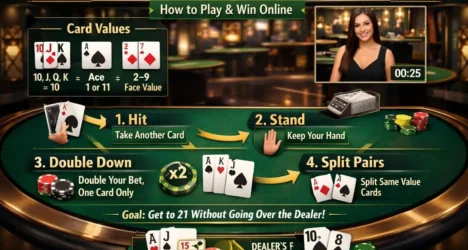


Cryptocurrency casinos have shaken up online gambling by letting you deposit, bet, and cash out with digital currencies. Instead of using regular money, many folks now choose Bitcoin (BTC), Ethereum (ETH), or Litecoin (LTC) for their gaming. If you pick Litecoin, you can play from just about anywhere, even if your region has restrictions.
These platforms move money faster, cut down on fees, and keep things more private than old-school online casinos. By 2026, crypto casinos have turned into a multi-billion dollar industry, with millions of players jumping in from all over the world.
High liquidity means these sites can pay out big wins or handle lots of bets without making you wait around. That’s a huge plus if you don’t want delays messing with your fun.
Crypto casinos are basically online gambling sites that let you use cryptocurrency as your main way to pay. They also use blockchain tech, which keeps games honest and lets you check the results yourself.
Unlike traditional casinos that need your bank info or credit card, these sites run everything through the blockchain. Most just ask for your email to sign up, and you can get your winnings out in minutes instead of waiting days.
I’ve put this guide together to help you get what crypto casinos are all about—how they work, what games you’ll find, and how to pick a safe one. We’ll talk about setting up your wallet, how fair gaming works, bonuses, security tips, and steps for getting started.
Whether you’re brand new to crypto or just curious about using digital coins for gambling, you’ll find everything you need right here. Don’t worry, we’ll keep things simple and clear.
Key Takeaways
-
Crypto casinos use blockchain for lightning-fast withdrawals, lower fees, and games you can actually verify are fair.
-
You’ll need a crypto wallet to deposit and play, but most sites only ask for your email to make an account.
-
Stick with licensed crypto casinos that have good reviews and oversight from places like the UK Gambling Commission or Malta Gaming Authority—this keeps your money safer.
How Cryptocurrency Casinos Work
Crypto casinos run on blockchain networks, so you can deposit, bet, and withdraw digital coins directly—no banks or middlemen needed. You’ll use a crypto wallet, and the blockchain keeps everything transparent and fair.
Some sites take it a step further and use smart contracts to handle payouts and bets, kind of like having a robot dealer who never cheats. Decentralized systems like these keep things secure and less prone to hacks or funny business.
Key Features and Benefits
When you play at a crypto casino, your money goes right from your wallet to the site through the blockchain. No waiting for a bank to approve anything. If I deposit Bitcoin or Ethereum, it usually shows up in minutes, not hours or days.
Since there’s no bank in the middle, you get more payment options and usually pay less in fees. And you don’t have to hand over your bank details or credit card info—just your crypto wallet address.
Most sites let you sign up with just your email and a wallet. You can play anytime, anywhere, with no currency conversion headaches. Some even throw in special crypto bonuses with better terms than you’d get with cash.
Security is a big deal here. The blockchain keeps a permanent record of every transaction, so no one can mess with the results. That’s peace of mind you just don’t get with regular online casinos.
Supported Cryptocurrencies and Wallets
Bitcoin is still the top choice at most crypto casinos, but Ethereum, Litecoin, Ripple, and Binance Coin are all popular too. These coins keep things running smoothly, so you’re not stuck waiting for a deposit or withdrawal.
Lots of casinos now take stablecoins like USDT and USDC, plus newer options like Solana. It’s nice to have choices, especially if you already hold some of these coins.
You’ll need a crypto wallet to keep your funds safe and move them around. MetaMask is a good pick for Ethereum tokens, and Phantom works well with Solana. Both are easy to set up as browser extensions or phone apps.
To get crypto, I usually hit up an exchange like Binance, Coinbase, or Kraken. These let you swap regular money for crypto, then send it to your wallet. Always keep your main stash in your personal wallet for extra security.
When you’re ready to play, the casino gives you a deposit address. Just copy it into your wallet, pick how much to send, and confirm. Your funds show up in your casino account after a quick blockchain check.
Blockchain Technology and Provably Fair Gaming
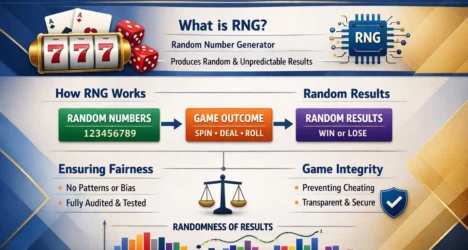
Blockchain tech keeps a public, unchangeable record of every bet and payout. When I place a bet, it’s locked in on the blockchain, so nobody can fudge the numbers later.
Here’s where it gets interesting: Provably fair gaming uses cryptography to prove every game is legit. Before each round, the casino creates a hashed seed. After the game, you can check this seed against what happened to make sure nothing was rigged.
This system uses three things—a server seed from the casino, a client seed you provide, and a nonce (that’s just a fancy word for a number used once). These get crunched together to decide the outcome. You can double-check the math using tools the casino gives you.
So, you don’t have to just trust the casino’s word. The blockchain and provably fair system back it up with real, checkable proof. That’s something regular online casinos just can’t offer.
Games and Bonuses in Crypto Casinos
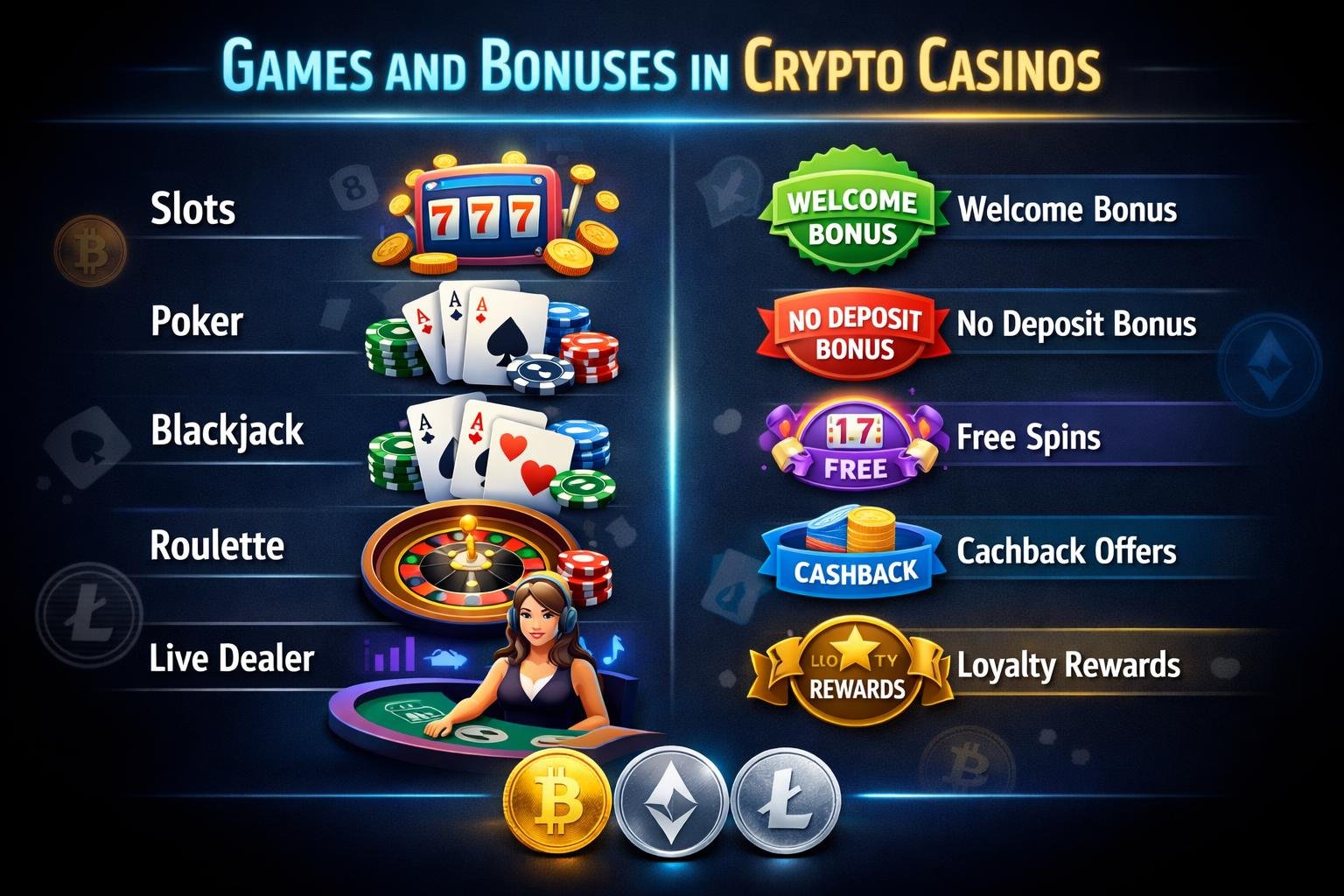
Crypto casinos give you the same games you’d find on traditional sites—slots, table games, and live dealer tables—but with a crypto twist. Bonuses work much like you’d expect, but sometimes the rules are a little different, so it’s worth taking a closer look before jumping in.
Popular Casino Games and Providers
Honestly, slots are everywhere in crypto casinos. Some bitcoin casinos offer thousands of different slot games, from old-school three-reelers to massive jackpot machines. You might even spot some exclusive games you won’t find anywhere else.
Big names like Pragmatic Play and NetEnt supply most of the action, and they’ve made sure their games work smoothly with crypto. If you’re into table games, you’ll find classics like blackjack, poker, and roulette. Bitcoin roulette, for example, plays just like the regular version, but you’re betting in crypto and usually getting faster payouts.
Live casino games are a blast if you want that real-dealer vibe. I like joining live blackjack or roulette tables and chatting with the dealers. Poker with crypto is quick and feels a bit more modern, honestly. These live games stick to the same payout percentages as digital ones—usually between 94% and 99%, depending on the game.
Reputable casinos show the RTP (return to player) for each game, so you can see your odds before you play. That’s always a good sign in my book.
Casino Bonuses: Types and Requirements
Deposit bonuses are everywhere. Most crypto casinos give you a bigger match on your first deposit than you’d get with cash. For example, a site might double your first deposit, so you start with twice as much to play with.
Sometimes, these bonuses stretch over your first few deposits, but the percentage usually drops each time. Free spins are common too, either bundled with deposit offers or as their own thing. These let you try out certain slots without dipping into your balance, but you’ll usually have to meet some playthrough requirements before you can cash out your winnings.
Wagering requirements are the hoops you’ll jump through before withdrawing bonus money. If you get a 0.1 BTC bonus with a 30x requirement, you’ll need to wager 3 BTC to unlock it. Lower requirements (say, 10x or 20x) are much friendlier than the higher ones.
Some casinos offer rakeback, which pays you back a slice of every bet—no strings attached. Unlike traditional bonuses, rakeback usually doesn’t have any playthrough requirements and gets added to your account automatically.
|
Bonus Type |
How It Works |
Typical Requirements |
|---|---|---|
|
Deposit Bonus |
Matches deposit percentage |
25x to 40x |
|
Free Spins |
Spins on selected slots |
30x to 45x on winnings |
|
Rakeback |
Returns portion of house edge |
Usually none |
Sports Betting and Live Casino Experiences
Many crypto casinos double as sportsbooks, so you can bet on your favorite teams or leagues using the same coins. Stake.com is one of the big names here, offering tons of sports betting options and all the usual odds formats.
Live casino games give you that real-casino feeling without leaving your couch. You can watch dealers shuffle cards or spin the roulette wheel through HD video. Most sites have tables for every budget, from tiny bets to high roller action.
I’ve seen Bitcoin blackjack tables where you can bet as little as 0.0001 BTC or as much as 5 BTC per hand. Whether you’re just testing the waters or playing big, there’s usually something for everyone.
Security, Regulations, and Responsible Gambling
Staying safe at crypto casinos comes down to good habits, knowing the rules, and keeping your play in check. Let me break down how you can protect your funds, spot legit sites, and use tools to help you gamble responsibly.
Security Best Practices and Wallet Safety
Picking the right wallet is your first step to staying secure. Hot wallets are online and make it easy to move money in and out for quick gaming. Cold wallets stay offline, which keeps your coins extra safe from hacks.
If you’re holding more crypto than you plan to gamble, I’d suggest a hardware wallet like Ledger or Trezor for long-term storage. Only keep what you’re ready to play with in a hot wallet.
Don’t forget about two-factor authentication (2FA). It’s an extra lock on your wallet and casino account. Go for an authenticator app instead of SMS codes—they’re tougher for hackers to intercept.
Always double-check the casino’s wallet address before sending money. Make sure the website has a padlock icon (SSL certificate) in your browser. And never, ever share your private keys or recovery phrases—not even with support staff.
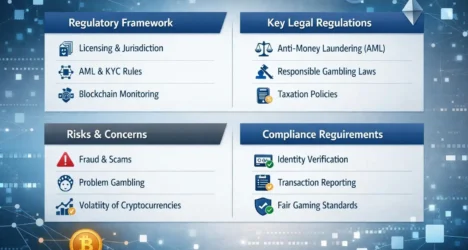
Licensing, KYC & AML Compliance
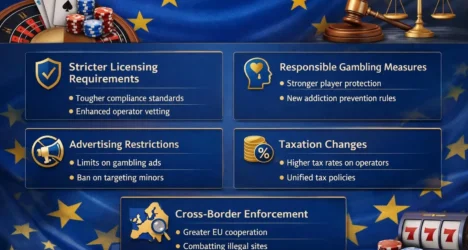
Licensed crypto casinos follow strict rules set by authorities like the Malta Gaming Authority, UK Gambling Commission, or Curaçao eGaming. These licenses mean the site has to play fair and protect you as a player.
KYC (Know Your Customer) and AML (Anti-Money Laundering) checks vary, but most legit casinos will ask for your ID and maybe a utility bill to prove your address. It’s a hassle, but it keeps things above board and helps prevent fraud.
I always scroll to the site’s footer to check for licensing info. Real casinos list their license number and who gave it out. You can even look this up on the regulator’s website if you want to double-check.
Some sites brag about "no KYC," but usually that means they’re not properly licensed. You might get more privacy, but you lose out on protection if something goes wrong with your account or payouts. Just something to keep in mind if you’re weighing your options.
Responsible Gambling Features and Player Support
Responsible gambling tools can help you stay in control of your gaming. Most licensed crypto casinos let you set deposit limits, so you decide how much you can add per day, week, or month.
These platforms also offer withdrawal limits, but trustworthy casinos usually process your winnings within a fair timeframe. You shouldn't have to wait forever to access your money.
If you ever need a break, self-exclusion programs let you block your account for a set time or even permanently. It's a good idea to set these limits before you start playing—not after things have gone sideways.
Great customer support makes a big difference. You should be able to reach someone 24/7 through live chat, email, or phone if you need help.
Before depositing a lot of money, try asking a few questions about licensing or security. Quick, helpful replies are a solid sign the casino takes your concerns seriously.
Liquidity is just a fancy way of saying, "Can the casino actually pay you if you win big?" Established casinos with solid backing pay out instantly and don't make you jump through hoops.
Newer or less funded casinos sometimes struggle with large withdrawals, so it's smart to check reviews before you play.
If gambling ever starts to feel overwhelming, resources like Gamblers Anonymous are there for you. Most licensed casinos link to these organizations and even offer reality checks to show you how long you've been playing.
How to Get Started at Cryptocurrency Casinos
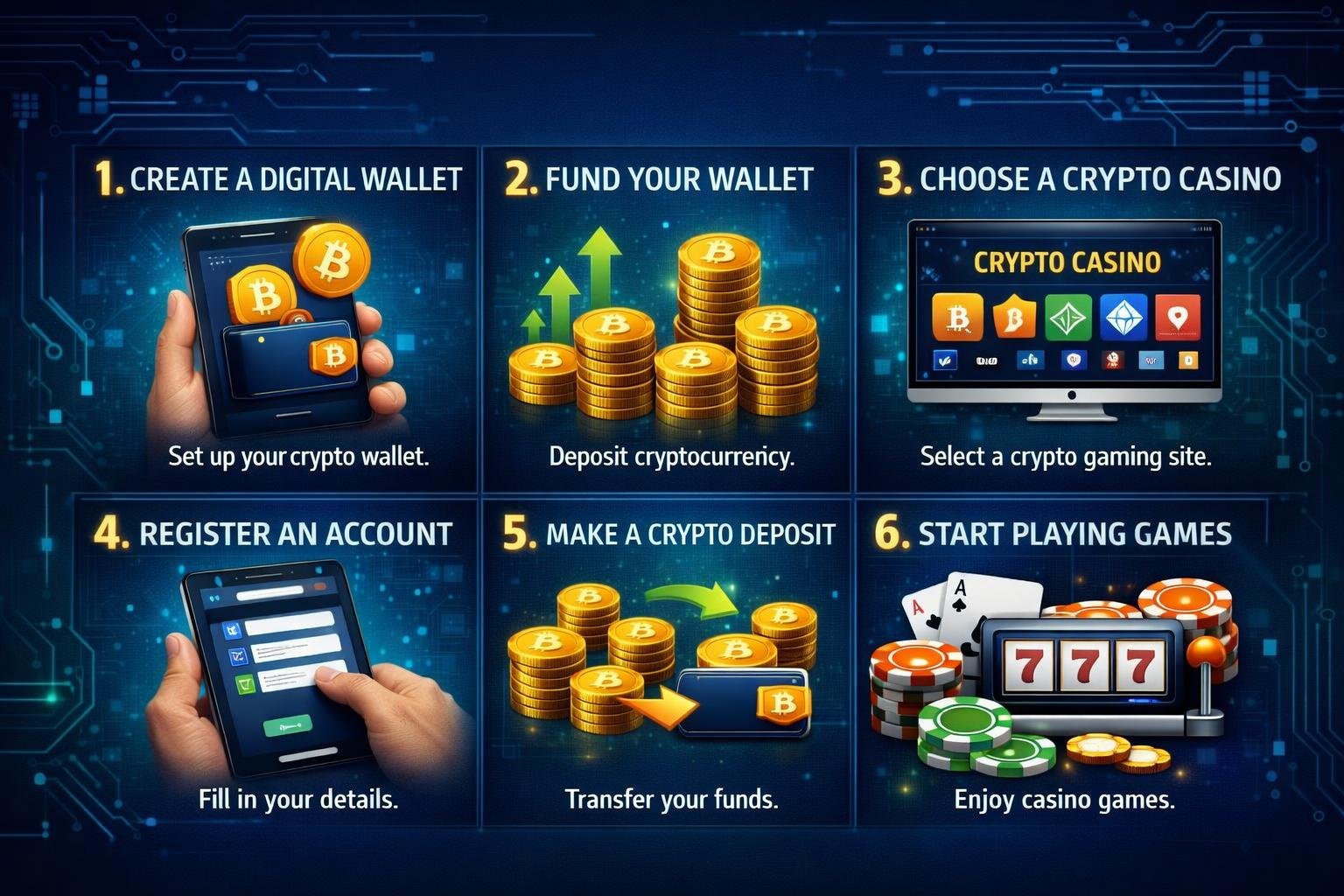
Starting with crypto casinos boils down to three main steps: pick a trustworthy site, fund your account with crypto, and figure out how to enjoy yourself while staying safe.
Choosing a Reputable Crypto Casino
Look for licensed platforms first. A real gaming license means someone independent has checked that the casino follows the rules.
Key things to check:
-
Provably fair systems – The casino should use blockchain tech to prove games aren't rigged.
-
Fast payouts – Choose platforms that pay you quickly, not ones that make you wait and wait.
-
Cryptocurrency support – Make sure they accept your favorite coins, like BTC, ETH, or USDT.
-
Privacy options – Some casinos, like BC.GAME and BETS.IO, let you skip KYC (identity checks).
Check player reviews and see how long the casino's been around. Seals from the UK Gambling Commission or Malta Gaming Authority show the site follows real legal standards.
You'll need a reliable crypto exchange account to buy and move your funds. Older platforms have a track record, but some new ones are legit too—just be extra cautious.
Look for clear info on fees and withdrawal limits before you deposit. If a casino hides this stuff, that's a red flag.
Making Deposits and Withdrawals
You'll need a crypto wallet before you can deposit. I always set up a separate wallet just for gambling—keeps things tidy and a bit safer.
Set up a wallet like Phantom, MetaMask, or Trust Wallet. If you don't already have crypto, buy some through exchanges like Binance, Coinbase, or Kraken. Some casinos even let you buy crypto directly with services like MoonPay.
To deposit, copy your unique deposit address from the casino for your chosen coin. Send funds from your wallet to that address. Double-check it—crypto transactions can't be undone if you make a mistake.
For long-term wins, stash your crypto in a hardware wallet. It's like putting your cash in a safe instead of your sock drawer.
Withdrawals work mostly the same way. Enter your own wallet address in the casino's withdrawal section and pick how much you want to cash out.
Most crypto casinos process withdrawals in minutes or a few hours, thanks to blockchain's speed. No more waiting days for your money.
Fees depend on the coin. Bitcoin (BTC) usually costs more to move than Litecoin (LTC) or Ripple. Lower fees and worldwide access make crypto casinos appealing compared to old-school payment options.
Tips for Maximizing Your Experience
Set a budget before you play. I only put in money I'm totally fine losing—no exceptions.
Sticking to deposit limits helps me keep things fun, not stressful.
Take advantage of welcome bonuses. For example, BC.GAME offers up to 120% on your first deposit, and BETS.IO gives 100% up to 1 BTC plus free spins.
Always read the bonus terms so you know what you're getting into—wagering requirements can sneak up on you.
If you're new, try "fun play" or demo modes first. You can learn the ropes without risking real crypto. Once you feel ready, switch to playing for real.
Some personal best practices:
-
I never share my wallet's private keys or recovery phrases with anyone, ever.
-
Two-factor authentication is a must on both my wallet and casino accounts.
-
I keep most funds in cold storage and only move over what I plan to use.
-
Before I play, I look up the game rules and odds, and I use self-exclusion tools if things start to feel out of control.
-
I set win and loss limits for every session and reach out to Gamblers Anonymous if I need extra support.
Stick with the best crypto casinos that have a solid reputation. Sites like BitStarz, BC.GAME, and BETS.IO have earned players' trust over time.
I'd avoid brand-new, unlicensed sites that promise guaranteed wins—they're usually too good to be true.