

Casino gambling and the world of igaming can be exciting and entertaining, but let’s be honest—they also come with some real risks. Whether you’re spinning online slots or giving roulette a try, it’s important to know how to protect your well-being by gambling responsibly.
I’ve put together this Responsible Casino Gambling: Complete Guide because I want you to enjoy casino games and still feel in control. Healthy habits include practicing safe gambling techniques every time you play.
Responsible gambling means setting clear limits on your time and money before you play. It’s also about understanding how things like house edge and RTP usually work against you, and noticing when gambling stops being fun.
Most online casinos now offer tools to help you stay on track, like deposit limits and self-exclusion programs. These features exist because casinos have to meet licensing requirements, but honestly, they only help if you decide to use them.
I’ll walk you through what you need to know about gambling safely, from picking the right online casino games to spotting early warning signs of problem gambling. Most reputable sites publish detailed responsible gambling policies, which can really help guide your decisions.
You’ll learn which responsible gambling tools actually make a difference, how to enjoy casino bonuses without losing control, and where to find support if you ever need it.
Key Takeaways
-
Responsible gambling means setting firm limits on your time and money before you start playing any casino game.
-
Most online casinos provide self-exclusion tools, deposit limits, and reality checks to help you maintain control.
-
Understanding game mechanics like house edge and RTP helps you make smarter choices about which games to play.
What Is Responsible Gambling?
Responsible gambling is about betting and playing casino games in a way that keeps you in control. It means treating gaming as entertainment, not as a source of income.
That includes setting clear limits on your time and money, and being honest with yourself about the risks involved—no matter what kind of gambling you enjoy.
Responsible Gambling Overview
When I think about responsible gambling, I see it as maintaining real control over your habits. Playing within your means, sticking to a budget, and not chasing losses are all part of the process.
Think of gambling as paid entertainment, like grabbing tickets for a movie or a concert. Only use money you can afford to lose. If you’re dipping into rent, groceries, or emergency savings, it’s time to pause and reconsider.
Responsible gambling also means following some essential tips. Make sure you’re of legal age before you join any gambling activity.
Some healthy habits include:
-
Setting strict time and money limits before you start
-
Never borrowing money to gamble
-
Taking regular breaks during your sessions
-
Avoiding gambling if you’re upset or stressed
-
Accepting that the house always has an edge
The goal isn’t to quit gambling if you enjoy it. Instead, responsible gambling helps you keep things fun and prevents problems with your finances, relationships, or mental health.
History and Evolution of Player Protection
Player protection has come a long way since the first commercial casinos opened their doors. Early gambling venues barely had any safeguards for people who struggled with gambling.
Things started to change in the 1990s when casinos introduced voluntary programs. These included basic helpline info and some staff training to spot problem gambling signs.
After 2000, states began to require formal responsible gaming programs. By 2022, about half of commercial gaming jurisdictions expected operators to file detailed responsible gaming plans with regulators.
As of January 2025, two-thirds of commercial gaming jurisdictions require these plans. The rise of online gambling and mobile sports betting after 2018 really sped up the adoption of these protections.
States now require tools like automatic algorithmic triggers to flag risky gambling patterns. Colorado, Massachusetts, New Jersey, and North Carolina use data-driven interventions to spot potential problems.
Regulations have become much more detailed for online platforms than they were for traditional casinos. Indiana, Kentucky, North Carolina, and Vermont require built-in wager and time limits for online gambling.
Industry Standards and Best Practices
Gaming operators now follow specific standards that go beyond just what the law says. The American Gaming Association asks its members to comply with its Code of Conduct for Responsible Gaming, even if state regulations are more relaxed.
Responsible gaming programs tend to share some core features. All 38 states with commercial gaming require self-exclusion programs, so players can ban themselves from casinos or online sites.
These programs differ in length and how you can reverse them, but they remain the backbone of player protection.
Common Industry Requirements:
|
Requirement |
Number of Jurisdictions |
|---|---|
|
Self-exclusion programs |
38 out of 38 |
|
Property signage and disclosures |
35 out of 38 |
|
Advertising restrictions |
34 out of 38 |
|
Credit restrictions |
35 out of 38 |
|
Employee training |
30 out of 38 |
The industry spends nearly half a billion dollars each year on responsible gaming initiatives. This funding goes toward research, employee training, and public education campaigns.
Most operators also publish responsible gambling policies that show their commitment to player safety. Many go above the minimum requirements and add voluntary measures.
Modern best practices include restricting credit card deposits, blocking marketing materials to self-excluded players, and offering 24/7 access to help resources. Many casinos also require staff to complete training on recognizing signs of gambling problems.
Why Do Casinos Implement Responsible Gambling?
Casinos put responsible gambling programs in place because the law requires it, but they also see real business value in doing so. These programs help casinos avoid penalties, build trust with players, and keep their doors open.
Benefits for Casinos Table
|
Benefit Type |
Description |
Impact |
|---|---|---|
|
Player Trust |
Players feel safer at casinos that care about their well-being |
Increased customer loyalty |
|
Revenue Stability |
Sustainable gambling practices create long-term customers |
Predictable income streams |
|
Lower Costs |
Fewer problem gambling incidents reduce security and legal costs |
Better profit margins |
|
Employee Morale |
Staff feel better working for ethical operators |
Reduced turnover rates |
|
Marketing Edge |
Responsible practices become selling points |
Attracts new customers |
Casinos that take responsible gambling seriously see real business benefits. When players trust a casino to protect them, they tend to come back and stay loyal to that brand.
Staff training and support systems do cost money at first. But in the long run, casinos save by avoiding lawsuits, fines, and damage to their reputation. Prevention almost always costs less than fixing a big problem after the fact.
Regulatory Compliance and License Requirements
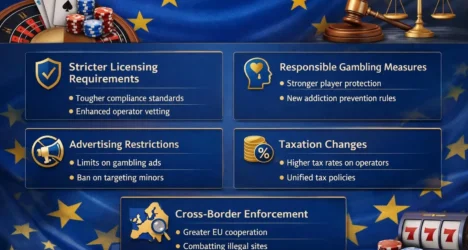
Gaming regulators require casinos to have responsible gambling programs before they can open their doors. In most places, casinos need licenses to operate legally, and those licenses come with strings attached—like age verification, self-exclusion programs, and staff training.
If a casino doesn’t meet these standards, regulators can fine them, shut them down, or even pull their license. In 18 states, casinos also have to limit alcohol service on the gaming floor to help prevent intoxicated gambling.
Organizations like the Responsible Gambling Council set standards that regulators often use. Casinos have to prove they’re following these rules during regular audits, or they risk losing their ability to operate.
Industry Reputation Table
|
Reputation Factor |
With Responsible Gambling |
Without Responsible Gambling |
|---|---|---|
|
Public Perception |
Viewed as ethical entertainment |
Seen as predatory business |
|
Media Coverage |
Positive or neutral stories |
Scandal and criticism |
|
Community Relations |
Welcome neighbor and partner |
Opposition and protests |
|
Investor Confidence |
Stable investment opportunity |
High-risk venture |
|
Political Support |
Easier licensing and expansion |
Increased restrictions |
The gambling industry’s reputation depends a lot on how each casino acts. When casinos ignore problem gambling, the whole industry can get hit with negative press and stricter regulations.
Communities are more likely to welcome casinos that show real commitment to player safety. That can make it easier for casinos to expand or open new locations. On the other hand, bad actors make it harder for everyone else.
Benefits for Players
Responsible gambling practices give players real protections and practical tools to help keep control over gaming. These benefits include access to proven self-management features and support systems that keep gambling safe and enjoyable.
Protection and Control
Gambling responsibly means I can use built-in safeguards to look after my financial and emotional wellbeing. Tools like deposit limits help me avoid spending more than I can handle.
Reality checks pop up to remind me how long I’ve been playing. Honestly, it’s easy to lose track of time, so these alerts can be a real eye-opener.
Self-exclusion programs let me block myself from gambling platforms if I need a break. I can choose a cooling-off period—anywhere from 24 hours to a few months—to step away and regroup.
Loss limits also come in handy, capping what I’m willing to risk in a day, week, or month. I’m the one setting these boundaries, not leaving things to chance.
Time-out features let me pause my account without closing it for good. Sometimes, just a short pause is enough to reset my perspective and keep things fun.
Setting a time limit for each session is a smart move to avoid burnout. If I know where to find support resources, it’s much easier to stay comfortable and in control.
Responsible Gambling Tools Comparison Table
|
Tool |
Purpose |
Typical Duration |
Reversibility |
|---|---|---|---|
|
Deposit Limits |
Control spending amounts |
Daily/weekly/monthly |
Can be lowered immediately, increases take 24-72 hours |
|
Loss Limits |
Cap maximum losses |
Daily/weekly/monthly |
Immediate decrease, delayed increase |
|
Session Time Limits |
Manage playing duration |
Per session |
Adjustable with cooling period |
|
Reality Checks |
Time awareness alerts |
Every 15-60 minutes |
User customizable |
|
Self-Exclusion |
Complete account block |
6 months to permanent |
Cannot be reversed early |
|
Cooling-Off Period |
Temporary account pause |
24 hours to 6 weeks |
Must wait until period ends |
Accessibility and Support Options
Support for responsible gambling comes in many forms. Most casinos offer 24/7 customer service, so I can get help setting up safety tools or just ask questions about playing safely.
I can reach out to professional counseling services like the National Council on Problem Gambling. Their helplines are free and confidential, and I’ll talk to someone who understands what I’m going through.
If I prefer not to talk on the phone, online chat and email support are always options. Sometimes written communication feels more comfortable, and that’s totally valid.
Many platforms also connect me with educational resources. These explain the warning signs of problem gambling and offer practical strategies for keeping things under control.
I can usually find these materials in the responsible gaming section on any licensed casino website. If I ever have questions about my habits, these portals point me in the right direction.
How to Practice Responsible Gambling
Practicing responsible gambling means taking action, not just hoping for the best. I set financial boundaries, manage my bankroll, and use self-assessment tools to check in with myself.
Let’s walk through some practical steps and a few advanced techniques for keeping control—whether you’re brand new or have been around the block.
Setting Limits and Boundaries
Before I start gambling, I set three key limits: deposit, loss, and time. Deposit limits help me control how much I add to my account each day, week, or month.
Loss limits put a cap on what I’m willing to lose in a session or over a set period. Time limits make sure gambling doesn’t take over my day.
For each session, I decide how long I’ll play—maybe 30 minutes, maybe an hour. When the time’s up, I stop, no matter what’s happening.
Essential boundaries to set:
-
Daily/weekly deposit limits based on my disposable income
-
Session limits that cap individual playing sessions at a predetermined amount
-
Loss limits that trigger an automatic stop when reached
-
Time restrictions using alarms or casino reality-check features
I always keep my gambling funds separate from money I need for rent, bills, or groceries. Using credit cards? Personally, I avoid it—borrowing to gamble just adds pressure I don’t need.
Tips and Strategies for Beginners
For me, gambling is entertainment. The money I set aside is what I’d spend on a movie or dinner out—once it’s gone, that’s it.
I make a point to learn the house edge for different games. Blackjack usually gives better odds than slots, and free play modes are perfect for practice before I risk real money.
Beginner safer gambling tips:
-
Never chase losses by increasing bets or extending sessions
-
Take regular breaks every 30-45 minutes
-
Track all gambling activity in a simple spreadsheet
-
Avoid gambling when tired, stressed, or under the influence
-
Set win goals and walk away when I reach them. It’s important to know when to step back before the fun stops.
Scheduling my gambling sessions ahead of time keeps things intentional and helps me avoid emotional decisions. If I plan it out, I’m less likely to go overboard.
Advanced Self-Management Techniques
I check in with myself regularly by asking some tough questions. Am I gambling more often? Thinking about it when I’m supposed to be doing other things? Hiding it from people close to me?
Honest answers can flag warning signs early. If something feels off, I know it’s time to pause and reassess.
Bankroll management is about splitting my gambling budget into smaller chunks. If I have $200 for the month, I’ll break it into eight $25 sessions instead of risking it all at once.
This stretches out the entertainment and helps me avoid impulsive spending. I also use casino tools like reality checks to see how long I’ve played and what I’ve spent.
If I need a break, I can use self-exclusion programs or cooling-off periods—sometimes just 24 hours, sometimes longer. These features give me space to step back without judgment.
Keeping a gambling journal helps, too. I jot down each session’s length, what I spent, how I felt before and after. Spotting patterns in my own notes can help me avoid risky situations in the future.
Types of Responsible Gambling Tools
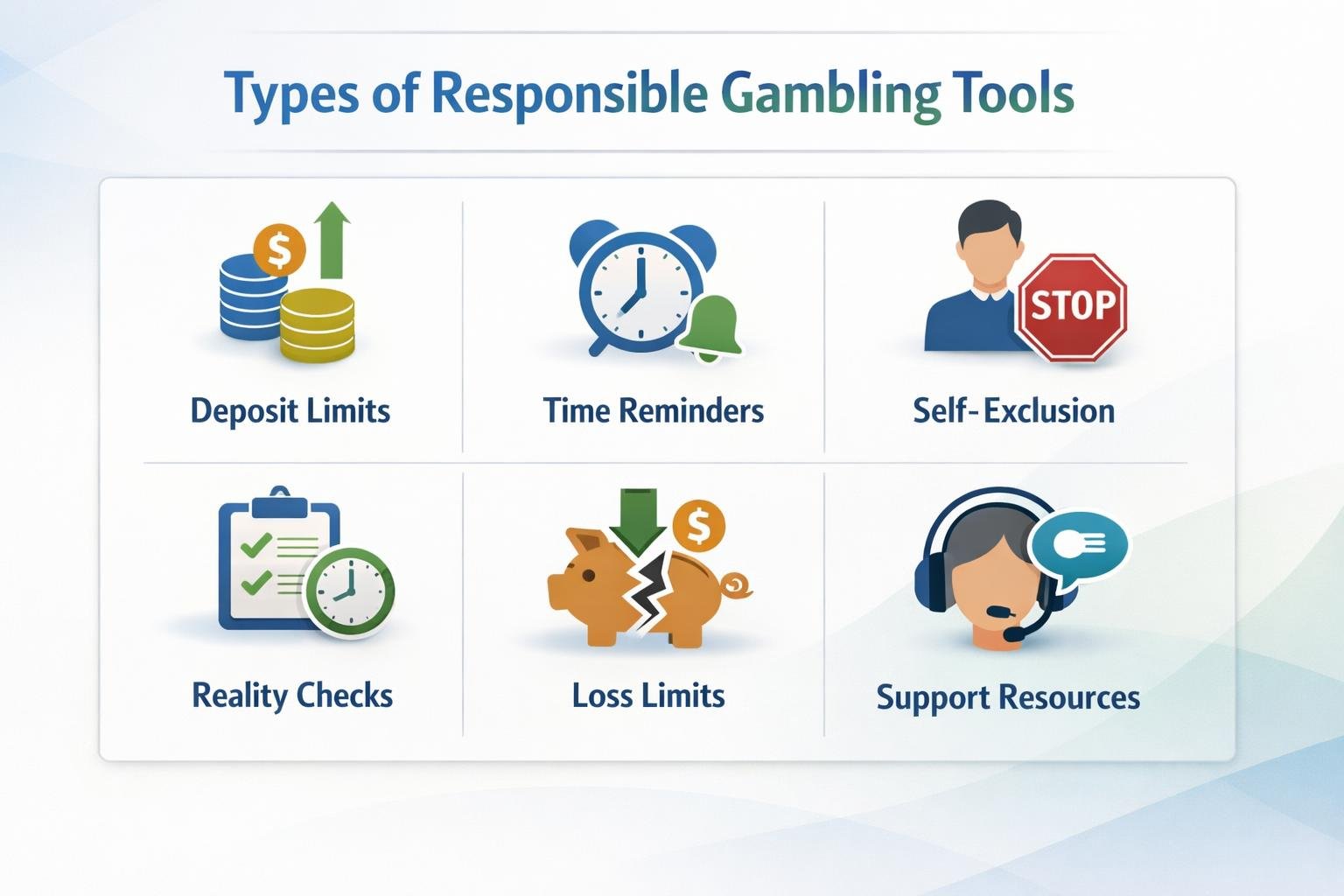
Casinos offer all kinds of tools to help players stay in control. Some are simple, like setting deposit limits. Others are more advanced, like blocking software or programs that cover multiple platforms.
Common Tool Types Table
Here’s a quick reference for some of the most widely available responsible gambling tools:
|
Tool Type |
Purpose |
Typical Duration |
|---|---|---|
|
Deposit Limits |
Caps daily, weekly, or monthly deposits |
Ongoing until changed |
|
Loss Limits |
Restricts maximum losses in set timeframes |
24 hours to monthly |
|
Time Limits |
Controls session or daily play duration |
Per session or daily |
|
Reality Checks |
Periodic alerts showing time and spending |
Every 15-60 minutes |
|
Self-Exclusion |
Complete account ban from gambling |
6 months to lifetime |
|
Time-Out |
Temporary voluntary break from play |
24 hours to 6 weeks |
|
Cooling-Off Period |
Short pause to reassess habits |
1-7 days |
I get the best results when I combine tools, like setting both deposit and time limits. That way, I’m looking after both my spending and how long I play.
Regional and Casino-Specific Features
Responsible gaming tools can vary by region. In the UK, GamStop acts as a national self-exclusion register, blocking access to all licensed operators at once. Once I activate it, I have to wait until the chosen period ends before I can return.
Some casinos take things further. A few offer reality checks that require me to confirm my balance before playing more, or send personalized spending reports to help me track my habits.
Gamban is a third-party app I can install on all my devices. It blocks gambling sites and apps for a set subscription period—giving a little extra protection beyond what the casinos offer.
Emerging Technologies and Innovations
Artificial intelligence now powers predictive tools that look at my betting patterns and spot risky behavior. These systems send me automatic time alerts when my play shows warning signs, like bigger bets or longer sessions.
Biometric verification tools show up more and more for self-exclusion enforcement. In some places, casinos and online platforms use facial recognition to keep excluded players from logging in or entering physical locations.
Mobile-first tech brings geolocation-based limits and smart notifications that adjust to my situation. If I’m gambling late at night or right after a loss, some apps nudge me with reminders about playing responsibly.
Developers are working on blockchain-based self-exclusion registries to create tamper-proof records across different operators.
Technology Behind Responsible Gambling
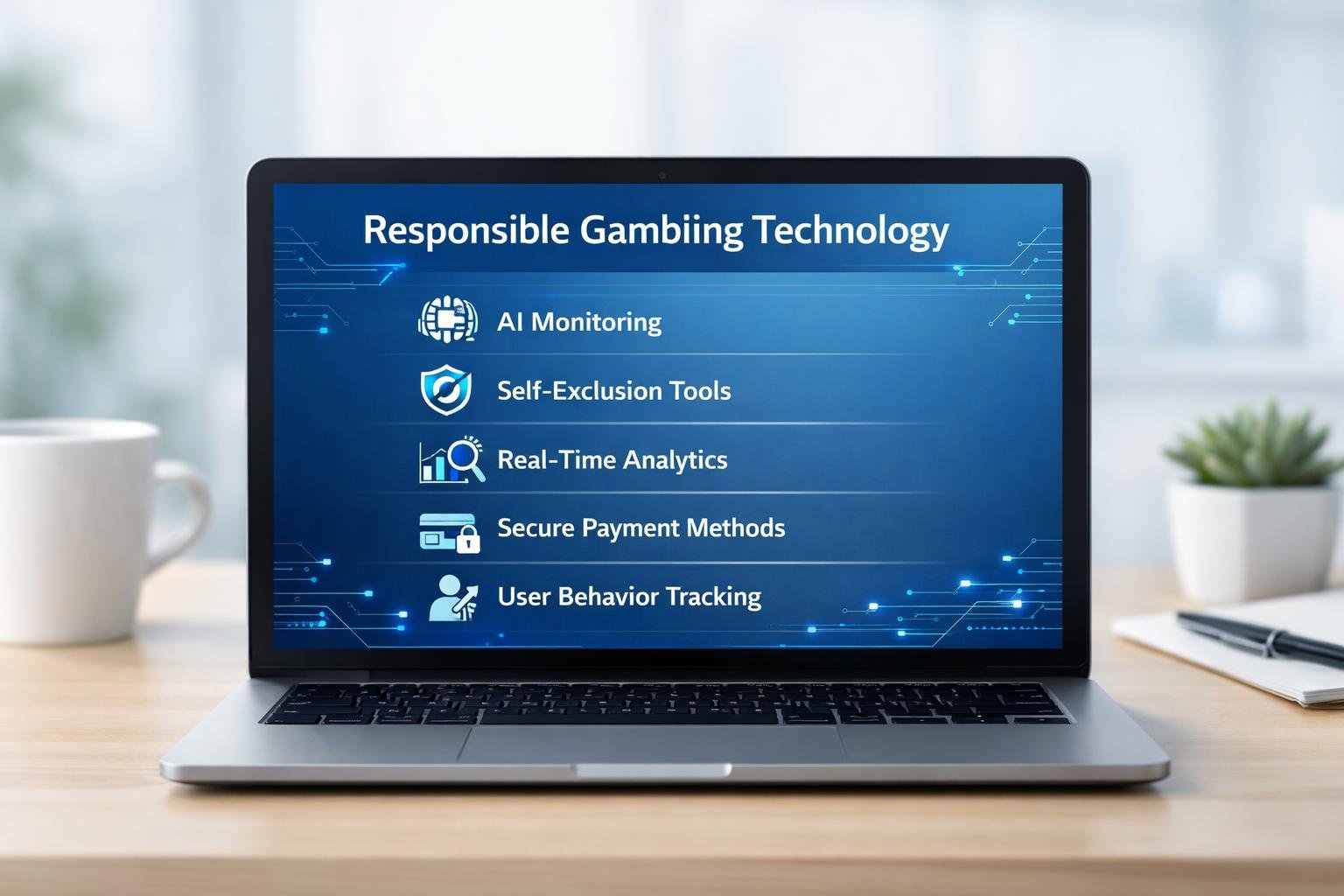
Modern casinos use artificial intelligence, real-time monitoring, and digital self-exclusion tools to help identify risky behavior and support players. These technologies look at betting patterns, track spending, and step in automatically when they spot warning signs.
AI and Behavioral Detection Systems
AI-powered systems keep tabs on my gambling in real time. They watch deposit amounts, bet sizes, play time, and win-loss streaks.
Machine learning models notice things like a 30% jump in my average bets over two days or a string of fast deposits. If the system flags risky behavior, it calculates a risk score based on my own patterns.
Research shows that players who get AI-generated feedback can reduce potential losses by up to 42% in just a week. These systems don’t only care about money spent—they also track how often I visit self-exclusion pages, switch devices, or change my betting pace.
This technology works across gambling apps and desktop platforms. If I’m playing slots on my phone, then switch to table games on my laptop, the AI keeps a single profile that follows me everywhere.
Self-Exclusion Technologies
Modern self-exclusion systems let me block myself from gambling for as little as 24 hours or as long as I want—sometimes even permanently. When I set up self-exclusion on one platform, the restriction spreads across multiple casinos thanks to shared databases like the National Voluntary Self-Exclusion Program.
My digital ID helps these systems keep me from opening new accounts or accessing gambling services during my exclusion period. Advanced tech syncs my self-exclusion between land-based casinos and online platforms right away.
If I set a limit at a physical casino, gambling apps from the same company enforce that same restriction. Some platforms use facial recognition at casino entrances to keep self-excluded players out, while online systems block my payment methods and show me intervention messages if I try to access restricted services.
Monitoring and Alert Systems Table
|
Alert Type |
Trigger Point |
Response Action |
|---|---|---|
|
Deposit frequency |
3+ deposits within 2 hours |
Prompt to set deposit limit |
|
Loss threshold |
30% of balance lost in 24 hours |
Cooling-off message and resources |
|
Session length |
4+ consecutive hours |
Break reminder with timer |
|
Bet escalation |
50% stake increase per session |
Reality check notification |
|
Account behavior |
Multiple self-exclusion page visits |
Direct link to support helpline |
These alerts adjust to my own behavior instead of using generic rules. The system learns what’s normal for me and only steps in when my patterns change a lot.
Licensing and Regulatory Standards
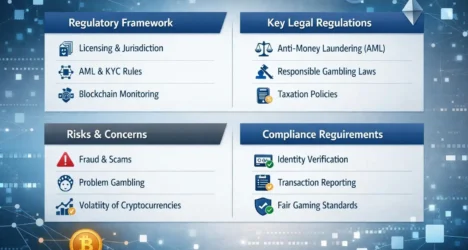
Gaming licenses ask operators to meet strict fairness standards, use player protection policies, and follow responsible gaming rules. These standards look out for players by requiring identity checks, financial safety measures, and regular compliance audits.
Regulatory Requirements Table
Different places have their own requirements for casinos. All 38 US commercial gaming jurisdictions require self-exclusion programs, but states often add more protections on top of that.
|
Requirement Type |
Jurisdictions |
Key Features |
|---|---|---|
|
Responsible Gaming Plans |
28 states |
Employee training, public awareness |
|
Property Signage |
35 states |
Helpline numbers, risk information |
|
Advertising Restrictions |
34 states |
No targeting minors, honest messaging |
|
Credit Restrictions |
35 states |
Limits or bans on house credit |
|
Employee Training |
30 states |
Problem gambling identification |
|
Treatment Funding |
32 states |
Research and education programs |
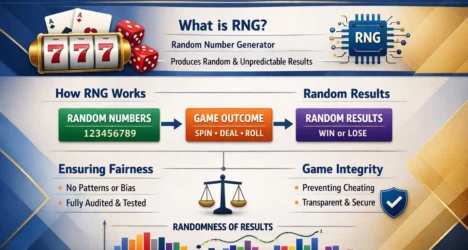
Licensed casinos need approval for each game. Regulatory bodies run regular audits to check for fairness and randomness.
Enforcement and Compliance
In my experience, enforcement usually covers three main things. First, KYC and identity checks keep out underage players and block fraud. Operators check who you are before you can gamble for real money.
Second, financial safety rules protect player funds. Some states restrict credit card deposits or ban government-issued checks to keep things secure.
Third, algorithmic monitoring is now standard in many places. States like Colorado, Massachusetts, New Jersey, and North Carolina use automatic triggers for problem gambling intervention. These systems watch betting patterns and flag risky behavior.
The UK Gambling Commission sets some of the world’s strictest enforcement standards. They require detailed audit trails and regular compliance reporting.
Industry Certifications and Audits
Gaming licenses require ongoing certification. Operators disclose payout percentages and agree to regular testing. Independent auditors check that games meet fairness standards.
Certifications cover different areas. Technical testing checks random number generators. Financial audits make sure player funds are kept separate. Responsible gaming audits look at whether operators follow required protections.
License types can differ. Some places give broad licenses for multiple gambling forms. Others split them up—one for online casinos, another for sports betting, and so on.
If operators fail audits, they can face fines or lose their license. Honestly, seeing these requirements as quality standards makes it easier to build strong compliance programs.
Common Issues and How to Get Help
Problem gambling can sneak up on anyone who gambles regularly. If you ever feel things slipping, support and treatment services are out there to help you get back in control and rebuild what matters most.
Recognizing Problem Gambling Signs
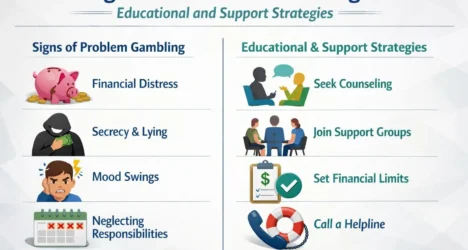
I’ve noticed that catching problem gambling early really improves recovery. Some of the most common signs include spending more time and money than you planned, hiding your gambling, or feeling restless and irritable when you try to cut back.
Financial warning signs often show up first. Borrowing money to gamble, selling stuff to fund play, or falling behind on bills are all red flags. Relationship problems can pop up too, especially if gambling starts to come before family and friends.
Emotional signs of problem gambling include:
-
Feeling anxious or down about gambling losses
-
Gambling to escape stress or negative feelings
-
Chasing losses—gambling more to win back money
-
Hiding how much you gamble from loved ones
Physical symptoms might show up as well—hard time sleeping, headaches, or stomach issues. It’s important to know that professional support can help with both the mental and physical side of stress.
Accessing Treatment and Support Services
I suggest different types of gambling treatment depending on what you need. Cognitive behavioral therapy helps you spot and shift unhealthy thoughts and habits. Usually, you work one-on-one with a counselor who gets it.
Support groups like Gamblers Anonymous offer peer support and regular meetings. They use a 12-step approach, much like Alcoholics Anonymous, and connect you with others facing similar struggles.
Many communities offer specialized gambling treatment programs, which might include:
-
Outpatient counseling
-
Intensive day treatment
-
Inpatient residential centers
-
Online therapy or virtual support groups
-
Financial counseling
Mixing different approaches often works best in my experience. Most health insurance plans cover gambling addiction treatment, but it’s always good to double-check.
Contacting Support Organizations
If you’re struggling with problem gambling, please reach out for help as soon as you can. The National Council on Problem Gambling runs a confidential helpline at 1-800-522-4700, and it’s open 24/7.
GamCare is a leading UK-based group offering free support by phone, chat, or email. They provide both crisis help and ongoing counseling.
Other helpful resources include:
-
Gamblers Anonymous: Local and online meetings around the world
-
State gambling helplines: Free counseling and referrals in most U.S. states
-
SMART Recovery: Science-based support groups for gambling issues
-
Problem Gambling Help Online: Text and chat services for fast support
I want to say—asking for help with gambling is a sign of strength, not weakness. Support organizations keep things confidential and know how tough this can be.
You can also check out GambleAware for more tools and advice. Remember, support is always available and you’re not alone.
Pros and Cons of Responsible Gambling Tools
Responsible gambling tools really can make a difference, but they’re not perfect. It’s important to understand both the upsides and the areas where these features might fall short.
I’ve put together the main pros and cons so you can decide what works best for your style of play and personal needs.
Four Advantages Table
|
Advantage |
Description |
|---|---|
|
Financial Protection |
Deposit and loss limits help you stick to what you can afford. These act as a safety net, blocking transactions when you hit your chosen amount. |
|
Increased Self-Awareness |
Reality checks and profit/loss statements show you exactly how much time and money you’ve spent. This kind of transparency helps you spot issues early on. |
|
Mental Peace |
Setting limits ahead of time lets you play without constantly worrying about overspending. Boundaries you set when thinking clearly tend to stick better. |
|
Free and Easy Access |
Licensed gambling sites provide these tools at no cost. You can usually set them up in minutes, and most start working right away for instant control. |
Four Disadvantages Table
|
Disadvantage |
Description |
|---|---|
|
False Sense of Security |
Some folks think the tools alone will keep them safe. The truth is, these work best when you combine them with honest self-reflection and discipline. |
|
Inconsistent Implementation |
Not all gambling sites offer the same tools or features. A deposit limit on one site won’t cover your activity elsewhere, so you need to set limits on every platform you use. |
|
Workaround Temptation |
It’s possible to bypass some tools by making new accounts or moving to unlicensed sites. Self-exclusion databases don’t always cover every platform, so your commitment matters most. |
|
Limited Customization |
Some tools only offer preset amounts or timeframes, which might not fit your needs. Certain sites also make you wait before adjusting limits, which can feel a bit rigid. |
Taking Action on Responsible Gambling
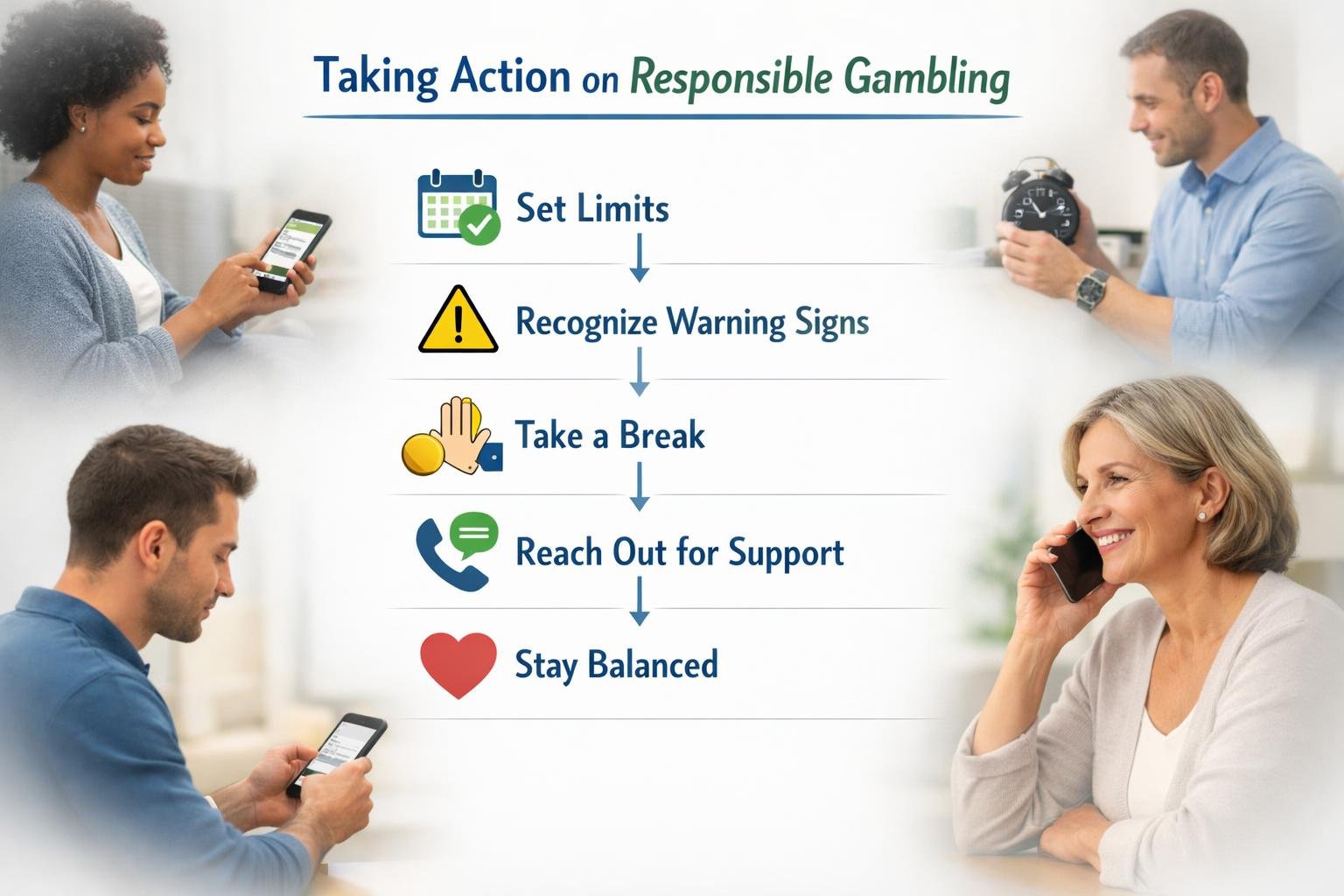
Taking charge of your gambling habits means making a plan and knowing where to get help if you ever need it. I’m here to walk you through building a personal plan, noticing when someone’s struggling, and finding the right resources.
Creating a Personal Action Plan
Start with a written plan that lays out your boundaries. Decide on your time and money limits before you play—never during or after a session.
Set a monthly budget that you’re comfortable losing, making sure it doesn’t affect things like rent or bills. If you keep track of each session in a notebook or app, jot down the date, amount spent, time played, and even how you felt before and after. This helps you notice patterns and keeps you honest with yourself.
Key elements to include:
- Maximum amount to spend per session, week, and month
- Specific days and times when you’ll gamble
- Time limits for each session
- Triggers that make you want to gamble impulsively
- Alternative activities when urges arise
Review your plan each week. Adjust your limits if something isn’t working, but never raise them after a loss. It’s important to know when to step away, no matter how things are going.
If you can, share your plan with a trusted friend or family member. Sometimes a little outside accountability makes all the difference.
Supporting Others with Gambling Problems
Reaching out to someone about their gambling can be tough. Choose a private, calm moment—avoid times when they’re gambling or just lost money.
Stick to behaviors you’ve seen, not labels or accusations. “I noticed you’ve been borrowing money a lot” works better than “You have a gambling problem.” Listen openly if they want to talk.
Try not to lend money or pay off debts, since that can accidentally support the cycle. Instead, offer to help them look for professional support or even go to a support group meeting together.
Warning signs to watch for:
- Lying about gambling activities or losses
- Borrowing money frequently
- Neglecting work or family responsibilities
- Seeming anxious or irritable about money
Available Resources and Helplines
The National Council on Problem Gambling runs a 24/7 helpline at 1-800-522-4700. Trained counselors are there to offer free, confidential help in many languages.
The Responsible Gambling Council has free resources like self-assessment tools, educational guides, and referrals to local programs. Many states also provide their own helplines with more localized support.
Gamblers Anonymous holds free peer support meetings in person and online. These meetings connect you with others who truly get what you’re going through.
Most gambling operators now offer self-exclusion programs. You can block yourself from casinos or online sites for anything from a few months to forever, which can be a real lifesaver if willpower isn’t enough on its own.