

Jumping into online casino play without checking its license? That’s a pretty big risk. Unlicensed casinos might refuse to pay winnings or mishandle your personal info.
Licensed operators have to meet strict safety and financial standards. A valid online casino license acts as a trust signal for players everywhere.
Verifying a casino’s license only takes a few minutes. You’ll need to check the license number shown on the casino’s site and cross-reference it with the official regulator’s database.
Most reputable casinos put their license info right in the footer of their homepage. You can then hop over to the licensing authority’s website to make sure the license is both real and active.
I’ve put together this guide to walk you through verifying any online casino license. You’ll see how to find the right details and check them with the proper gambling authority.
Let’s also talk about a few red flags to watch out for—because sometimes things aren’t what they seem.
Key Takeaways
-
Check the casino’s license number in the website footer and verify it on the regulator’s official database.
-
Licensed casinos follow strict rules for fair games, secure payments, and player protection.
-
Watch for warning signs like missing license info, unresponsive customer service, or licenses from unknown authorities.
Why Verifying a Casino's License Is Critical
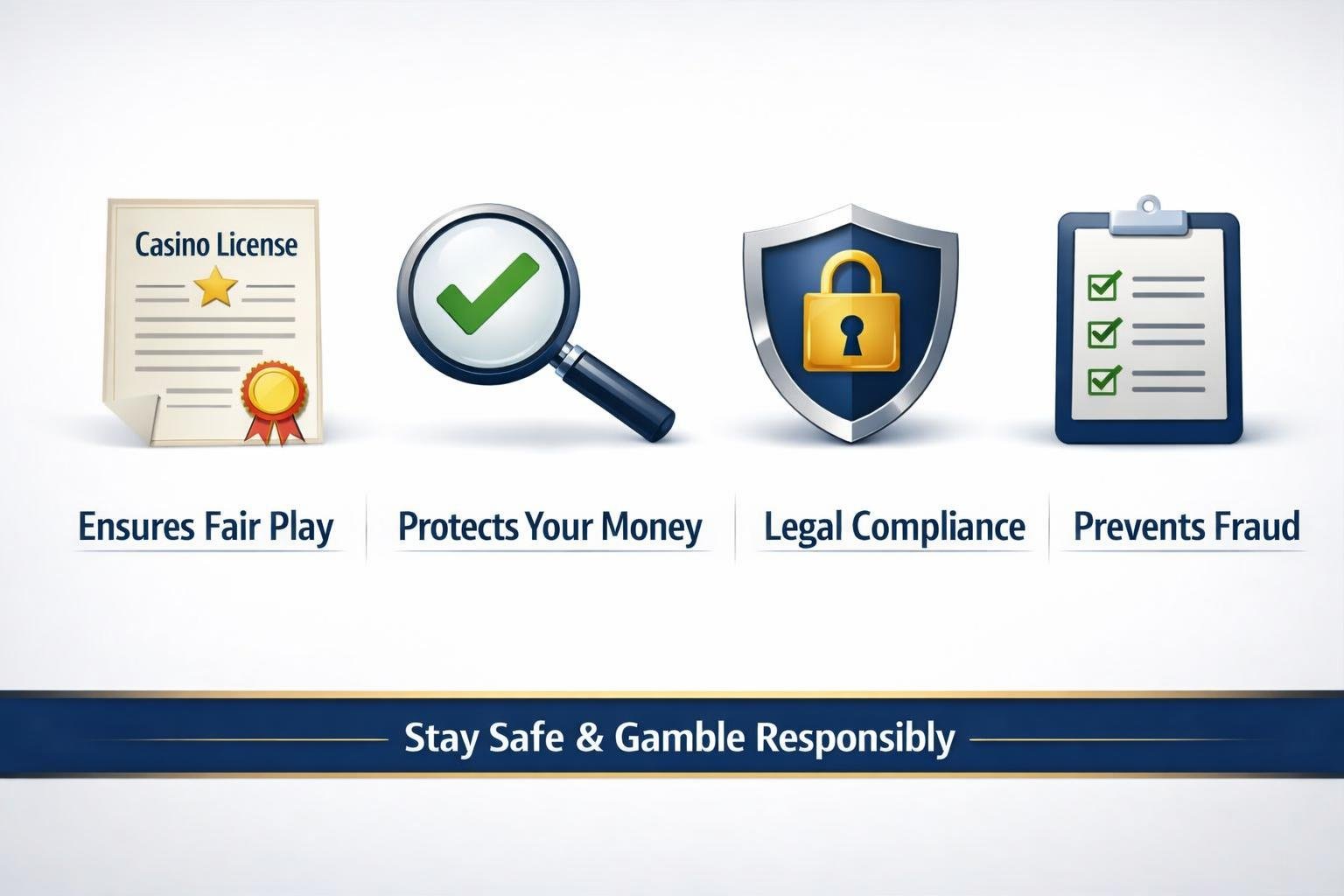
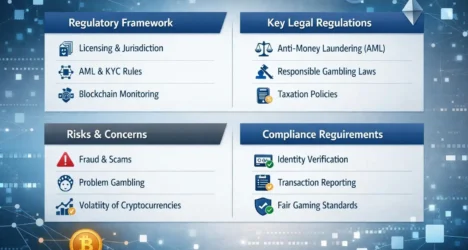
Licensed casinos operate under regulatory oversight that protects your money and ensures games stay fair. Without checking, you could end up playing at unlicensed sites that refuse withdrawals or worse.
A valid license holds the site accountable for its actions. It’s important to know you’re playing somewhere that takes your safety seriously.
Player Protection and Responsible Gambling
When you verify a casino’s license, you’re making sure your funds are protected by law. Licensed casinos keep player money in separate accounts, away from their own operating expenses.
This means your deposits stay safe, even if the casino runs into financial trouble. It’s a small step, but it can make a big difference if something goes wrong.
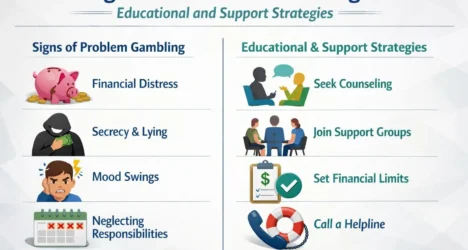
Regulators require licensed operators to offer responsible gambling tools. Healthy habits include using deposit limits, session timers, and self-exclusion options.
Setting daily, weekly, or monthly caps can help you keep your gambling budget in check. If you notice you’re playing more than intended, these tools are there to help you pause or slow down.
Clear complaint procedures are another requirement. If you have a dispute about winnings or account issues, you can escalate it to the licensing authority for help.
Unlicensed casinos don’t offer this kind of support, which can leave you stuck if problems pop up.
Fairness, Transparency, and RTP Assurance
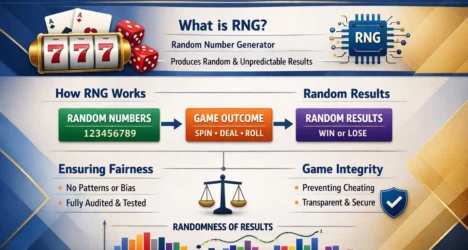
Licensed casinos use certified random number generators. Independent labs check that game outcomes are truly random, not rigged.
You can trust that each spin or hand is fair if you’re playing at a licensed site. Regulators also set minimum Return to Player (RTP) percentages—usually 85% or higher for slots and table games.
Licensed casinos display these percentages so you know what to expect over time. Regulators regularly audit game software to prevent tampering.
It’s a good idea to check that advertised RTP rates match actual payouts. Publicly available testing certificates make this possible. Unlicensed sites can change these rates at will, which is a huge red flag.
Step-by-Step Guide to Verifying a Casino License
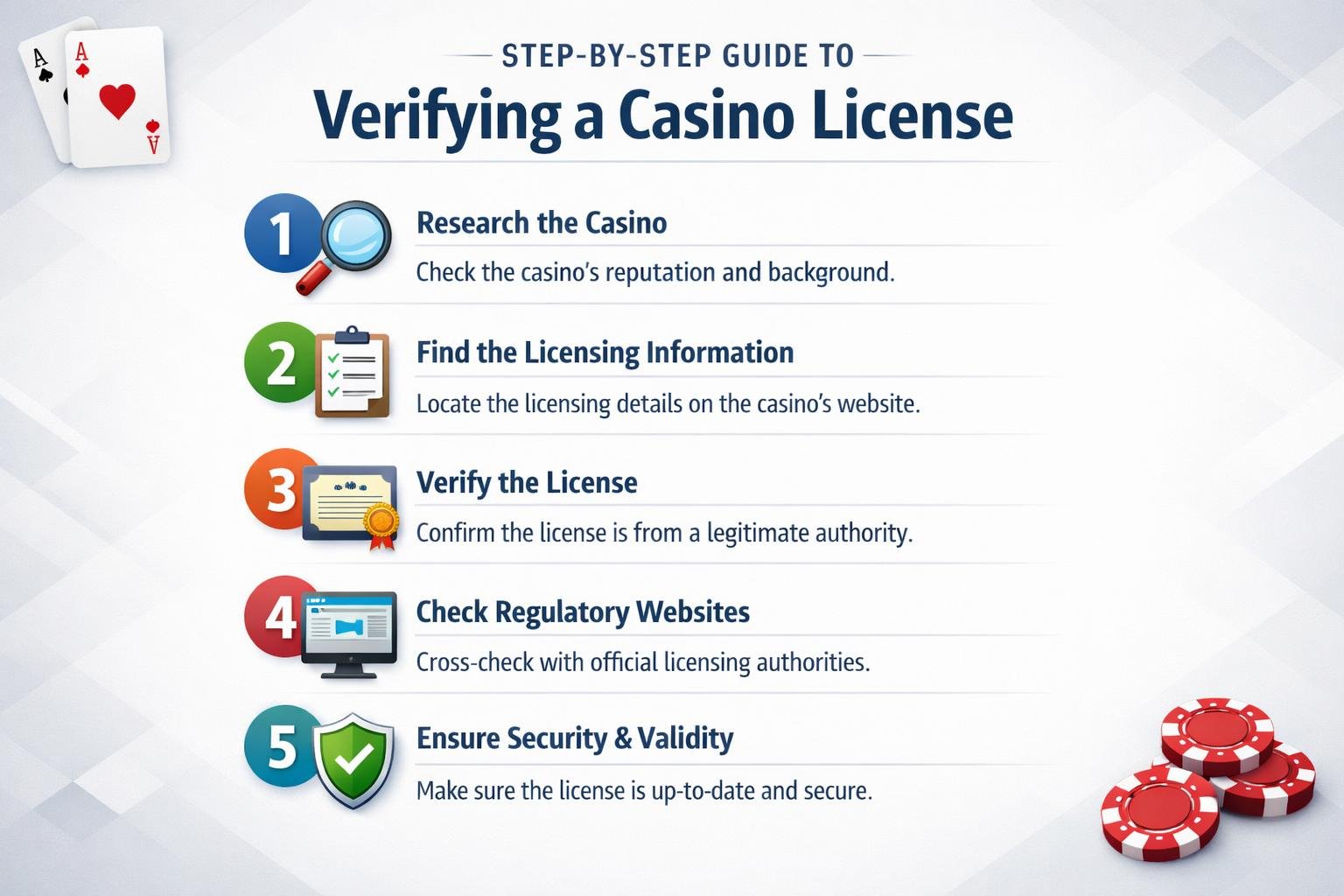
Verifying a licensed online casino is pretty straightforward. You’ll find the license details on the casino’s website, confirm them with the regulator, and look out for any signs of fraud.
Locating License Information on Casino Websites
Start by scrolling to the bottom of the casino’s homepage. Most licensed casinos put their license info in the footer.
Keep an eye out for text mentioning authorities like the United Kingdom Gambling Commission or Malta Gaming Authority. Some casinos use clickable license seals or logos—if you click them, they should link directly to the regulator’s site or a validation page.
If the seal is just an image and doesn’t link anywhere, that’s worth noting for later. If you can’t find license details in the footer, check the “About Us” or “Legal” pages.
Licensed casinos usually list their full licensing info there. This transparency helps you verify things before signing up.
Make a note of the license number, the issuing authority, and the company name holding the license. If you still can’t find any license info after checking these spots, consider it a major warning sign.
Every legitimate casino should display this information clearly.
Confirming License Validity on Regulatory Bodies' Sites
Visit the official website of the licensing authority listed on the casino’s site. Major regulators like the UK Gambling Commission have public databases you can search.
Use these tools to confirm the status of the license in seconds. You can also check MGA or Curacao eGaming licenses through their portals.
Enter the license number or company name into the regulator’s search tool. The results should match what’s on the casino’s website.
Make sure the license holder’s name, license number, and status line up. An active license will show as “valid” or “active.”
Check the issue and expiration dates too. Some regulators list which types of gaming activities the license covers—make sure these match what the casino actually offers.
If the regulator doesn’t have a public database, reach out using their contact info to verify the license directly.
Be wary of third-party sites that claim to verify casino licenses. Unless they’re established gambling industry publications, it’s safer to go straight to the source.
Recognizing Red Flags and Warning Signs
Several things can set off alarm bells when verifying casino license details. If license info is missing, unclear, or buried in hard-to-find places, the casino might not be legit.
Common red flags include:
-
License numbers that don’t exist in the regulator’s database
-
Expired or suspended licenses
-
Fake regulatory seals or invented licensing authorities
-
License info that doesn’t match between the casino and regulator’s records
-
Blurry or poor-quality images of license certificates
Be cautious with casinos licensed in places with weak oversight. Some lesser-known regulators are legitimate, but others have minimal standards and weak enforcement.
If you spot any mismatches or suspicious details, it’s safest not to deposit money there. Also, avoid sites that won’t provide their license number or claim to be “licensed” without naming the authority.
Understanding Regulatory Authorities and License Types
Not all regulators are created equal. The type of license a casino holds affects how much oversight they’re actually under.
Some authorities have strict standards, while others are more relaxed. It’s important to know who’s behind the license.
Major Gambling Authorities and Their Standards
The Malta Gaming Authority (MGA) is one of the most respected regulators out there. MGA-licensed casinos must go through regular audits, keep player funds separate, and follow anti-money laundering rules.
I’ve noticed MGA casinos tend to meet high standards for both safety and fairness.
The UK Gambling Commission has even tougher requirements for casinos serving UK players. They mandate independent game testing, financial reserve rules, and strong responsible gambling tools.
Any casino operating in the UK market needs this license, no matter where else they’re licensed.
Curacao eGaming is more accessible, with lower fees and simpler requirements. While some Curacao-licensed casinos are fine, the player protection isn’t as strong as with MGA or UK licenses.
The regulatory oversight just isn’t as rigorous.
The Isle of Man Gambling Supervision Commission and Gibraltar Regulatory Authority both enforce strong player protection and transparency. They require proof of financial stability and regular compliance checks.
Key Differences: Master Licenses, Sub-Licenses, and White Labels
A master license gives the holder direct authorization from the regulator to run all gaming activities. The master license holder can also grant permission to other operators.
Sub-licenses come from master license holders, not the regulator itself. Operators with sub-licenses still have to follow the same rules, but they report to the master licensee.
White label setups let new operators launch under another company’s license and infrastructure. The parent company handles the gaming platform, payments, and regulatory framework.
This means the white label operator has less direct accountability to the regulator.
Independent Auditing, Certification, and Ongoing Safety

Third-party testing agencies play a crucial role in keeping things fair and secure. Regulatory frameworks require casinos to pass compliance checks to keep their licenses.
These independent audits help protect players by confirming fair games and solid data security over time.
Importance of Third-Party Testing Agencies
I always look for certifications from trusted testing agencies. eCOGRA, iTech Labs, and Gaming Laboratories International (GLI) are some of the big names in casino auditing.
These agencies test random number generators to make sure games really are random. They also check security protocols, payment systems, and responsible gaming features.
For example, eCOGRA runs monthly tests and publishes payout percentages online. I check that certification seals are clickable and lead directly to the agency’s verification page.
The seal should show a recent date—usually within the last six months. Expired or fake seals are big warning signs.
Organizations like iGO and iTech Labs focus on mobile casino security. They check encryption standards and test software on different devices.
If a casino is certified by iGO, that’s a good sign they care about player protection and technical fairness.
How Regulation Enforces Ongoing Compliance
Licensing authorities like the MGA and UK Gambling Commission require regular audits for as long as a casino operates. Reputable jurisdictions mandate quarterly or annual reviews to keep licenses valid.
These checks make sure casinos don’t cut corners after getting approved. Regulators audit financial records, fairness data, and customer complaints.
Malta and Gibraltar specifically require independent assessments at regular intervals, written into the license terms. I check a casino’s compliance status by searching the regulator’s public database for any violations or sanctions.
Current licenses with clean records mean the casino passed recent audits. Suspended or revoked licenses show up as public warnings.