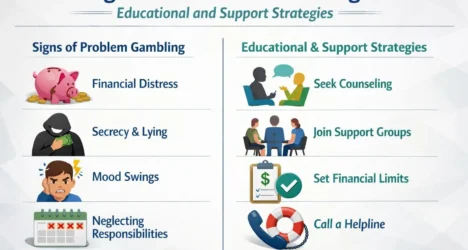


Gambling can be a fun way to pass the time for most people, but sometimes it starts to take up too much space in someone’s life. It’s important to know what problem gambling really looks like—sometimes it’s subtle, and not at all what you’d expect.
I want to help you spot the warning signs, whether you’re checking in on yourself or worried about a friend or family member. Recognizing these signals early can make a huge difference.
Problem gambling can affect anyone, regardless of background or experience. If you notice the early signs, reaching out sooner rather than later gives you the best shot at turning things around.
Most folks don’t realize how hidden gambling addiction can be. You might imagine someone down on their luck or out of control, but honestly, it’s often well-hidden. People can look totally fine on the outside while struggling in silence.
That’s why I’ve put together this guide—to give you a real-world look at the signs of gambling addiction and share some practical steps you can take if you’re concerned.
Key Takeaways
-
Problem gambling often shows up as needing to bet more, hiding gambling, or feeling agitated when trying to stop.
-
Anyone can develop a gambling problem—age, income, or background doesn’t protect you, especially with online gambling being so easy to access.
-
Free support and helplines are available. You’re not alone, and recovery is possible.
Key Signs and Symptoms of Problem Gambling
Problem gambling can show up in how someone acts, feels, and manages money. Knowing what to look for helps you spot when gambling stops being just a game.
Behavioral Warning Signs
Changes in behavior are often the first thing people around you notice. Sometimes, gambling starts to take up more of your thoughts—you might find yourself planning your next bet or thinking about gambling when you should be doing something else.
Over time, I’ve seen people need to gamble with more money just to feel the same excitement. That’s a sign things are escalating.
Look out for these behavioral signs:
-
Trying to cut back or quit, but not managing to stick with it
-
Feeling restless or irritable when you try to stop
-
Hiding how much you’re gambling from friends or family
-
Skipping work, school, or important events to gamble
Chasing losses is a big red flag. If you find yourself gambling more to win back what you’ve lost, it’s time to take a step back. This pattern can spiral quickly.
Some people have short breaks where they gamble less or stop, but without support, those breaks rarely last.
Emotional and Psychological Indicators
Problem gambling can come with a heavy emotional toll. Many people use gambling to escape stress, guilt, or sadness. It’s a way to avoid tough feelings, but it never really solves anything.
Denial is common. Even when the signs are obvious to others, it’s hard to admit there’s a problem. That makes it tough to reach out for help.
Watch for these emotional or mental health signs:
-
Always thinking about gambling, even when you’re not playing
-
Feeling anxious or down, and noticing it’s getting worse
-
Feeling hopeless or stuck
-
Getting restless when you’re not gambling
The stress from gambling problems can make anxiety or depression worse. It often becomes a cycle that’s hard to break alone.
Financial Red Flags
Money issues are sometimes the first thing people notice. People might empty savings accounts, run up credit cards, or borrow money to keep gambling.
Some financial warning signs include:
-
Money or valuables disappearing without explanation
-
Credit cards maxed out or new loans popping up
-
Bills going unpaid, even if there’s income coming in
-
Selling personal items just to get gambling money
-
Borrowing from friends or family with vague reasons
In some cases, people might do things they never thought they would—like stealing or committing fraud—to get gambling money. That can cause legal issues and strain relationships.
Missing payments on rent or utilities is a major sign things have gotten out of hand. When gambling comes before basic needs, it’s time to reach out for support.
High-Risk Groups and Gambling Formats
Some forms of gambling carry more risk, and certain groups are more vulnerable. Online gambling, sports betting, and poker come with unique challenges, especially because they’re so easy to access. Young people are particularly at risk, often for reasons beyond their control.
Online Gambling and Accessibility
Online gambling has really changed the game. Now, anyone can place a bet from their phone or laptop, day or night. That constant access removes the natural breaks that used to help people keep things in check.
Online casinos and betting apps can be risky because the signs of a problem are easier to hide. The speed is intense—hundreds of bets can happen in an hour without ever seeing a dealer or touching cash.
Digital payments also make it tough to track how much you’re actually spending. Sometimes, it doesn’t even feel like real money.
Risks that come with online gambling:
-
Gambling is available 24/7, anywhere
-
No one is around to notice if you’re struggling
-
You can play multiple games at once
-
Depositing money is quick and easy
-
Gambling alone, without social support
If English isn’t your first language, it’s even harder. You might not fully understand the terms, rules, or risk warnings, which puts you at greater risk.
Sports Betting and Poker Risks
Sports betting is everywhere now, especially since it’s legal in more places. Advertisements pop up during games and all over social media. With betting so tied to sports content, it just feels normal.
It’s easy to believe your sports knowledge gives you an edge, but the truth is, outcomes are still unpredictable. Live betting makes things move even faster, and that can make it harder to pause and reflect.
Poker is similar. There’s definitely skill involved, but luck plays a bigger role than most people want to admit. Online poker lets you play several tables at once, which can ramp up the pace and the risk.
I’ve met plenty of people who love the competition and believe they can “beat the system,” but even the best players face losses.
Young People and Gambling
Young adults, especially those between 18 and 24, are more likely to take risks with gambling. Their brains are still developing, so impulse control isn’t always fully there yet. That makes it easier to make quick decisions that aren’t always in their best interest.
Teens face their own risks, even though gambling is usually illegal for them. Many get introduced to casino-style games through social media or online games. Sometimes, it starts as dares or friendly bets, which can make gambling seem harmless.
Some eye-opening stats:
-
4-8% of young people have gambling problems
-
For adults, it’s about 1%
-
60-80% of high schoolers say they’ve gambled
-
Some kids start as young as 10
It’s important to know that early exposure raises the risk for bigger problems as they get older. Kids with parents who gamble are at even higher risk. With gaming and gambling blending together online, it’s harder than ever to tell where a game ends and real-money betting begins.
Seeking Help and Support Resources
If you’re worried about gambling, support is available. Different types of help work together—counseling, peer support, and financial advice all play a role. There’s no one-size-fits-all solution, but you don’t have to figure it out alone.
Helplines and Professional Services
The National Problem Gambling Helpline—1-800-GAMBLER (1-800-426-2537)—offers confidential support 24/7. You’ll get connected with local resources, no matter where you are in the U.S.
The National Council on Problem Gambling (NCPG) also runs 1-800-MY-RESET, a great way to find treatment options in your area. Professional help can look different for everyone. Some people meet with a counselor once a week, while others might need a more structured residential program for a while.
Many states have their own helplines and services. For example, the Pennsylvania Gaming Control Board funds treatment and has a network of providers. If you’re not sure where to start, self-assessment tools on the NCPG website can help you figure out if it’s time to reach out.
Peer and Family Support Programs
Gamblers Anonymous uses a 12-step program, and meetings are free and confidential. It’s a space where people support each other, share stories, and work through recovery together—no judgment, just understanding.
Gam-Anon is for family and friends. It helps loved ones set boundaries, cope with stress, and find a path forward. Healing together is possible, and support groups like these can make a big difference.
Peer support connects you with folks who’ve been there and come out the other side. Sometimes, just knowing you’re not alone makes the journey a bit easier.
Financial Counseling and Recovery Options
Dealing with debt and money worries is tough, but it’s part of recovery. Certified credit counselors can help you make a budget, talk to creditors, and set up a plan to pay off what you owe.
Many nonprofits offer free or low-cost financial counseling for gambling-related debt. These programs teach money skills and help reduce the stress that can trigger gambling again. Sometimes, they even help with bankruptcy if things have gone that far.
Addressing both the gambling and the financial side at the same time gives you a better shot at long-term recovery. Reaching out to a financial counselor early can help keep things from getting overwhelming.