

Live dealer blackjack online brings the real casino vibe straight to your screen with crisp, high-definition video streams. When you dive in, you’re not just clicking buttons—you're interacting with real cards and professional dealers, all unfolding in real time. The interface gently nudges you through each stage, so even if you’re new, you’ll pick it up fast. It’s a world apart from those cold, computer-generated games; here, you get the atmosphere, the banter, the unpredictability of a real table.
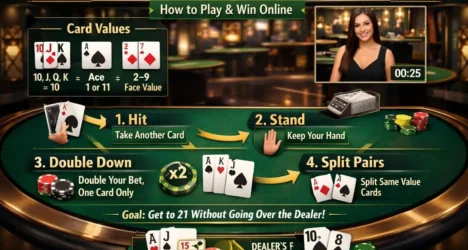
Live dealer blackjack sticks to the classic rules of 21, where you’re aiming to beat the dealer’s hand without busting. Number cards keep their face value, face cards are always worth 10, and aces can swing between 1 or 11. Dealers usually stand on 17, and if you pull a natural blackjack (that sweet ace plus a 10-value card), you’ll usually get paid out 3:2. You’ll get to hit, stand, double down, or split pairs just like you would at a real-world table.
Honestly, knowing the rules before you take a seat makes the whole experience way smoother. The pace is brisk, and dealers stick to house rules that can change from table to table. Decisions happen on a timer, so there’s a little rush—but that’s half the fun, right?
Key Takeaways
-
Live dealer blackjack streams real cards and real dealers, so you get that true live casino buzz right on your device.
-
The game’s all about beating the dealer by getting closer to 21 without busting—straightforward, but always a thrill.
-
Brush up on basic strategy and check table rules before you play; it’ll give you a real edge.
Core Live Dealer Blackjack Rules Explained
Live dealer blackjack keeps things classic, with a real dealer streaming from a casino studio. If you’re just starting out, the best way to learn is by getting a grip on card values and those little tweaks in live blackjack rules. Let me break down what you need to know about dealer actions and payouts—it’ll save you a lot of confusion mid-game.
Objective and Card Values
Your mission: get closer to 21 than the dealer, but don’t go over. Cards 2 through 10? Just count them as they are. Face cards—Jack, Queen, King—are always 10.
Aces are where things get interesting. They can be 1 or 11, depending on what helps your hand. If your ace is counted as 11, you’ve got a “soft” total. If it’s counted as 1, or there’s no ace, that’s a “hard” total.
Picture this: an Ace and a 6 gives you a soft 17, so you can hit without worrying about busting on your next card. But a 10 and 7? That’s a hard 17, and anything over 4 will bust you.
Dealer Actions and House Edge
Dealers must stick to strict rules at the table. Almost every live dealer game has the dealer hit on 16 or less and stand on 17 or more. But here’s the kicker: whether the dealer stands or hits on soft 17 can really change your odds.
If the dealer stands on soft 17, you’re in a better spot—the house edge drops. If they hit on soft 17, the house edge bumps up by about 0.22%. I always check this rule before I sit down.
Dealers don’t get to make choices like players do. They follow a set script, which is what creates that house advantage. It’s fair, but it does mean you need to play smart.
Standard Table Workflow
Every round kicks off when I place my bet—there’s a timer, so you can’t dawdle. The dealer deals two cards to each player and themselves. You’ll see one dealer card face up (the upcard), the other face down (the hole card).
On my turn, I choose to hit, stand, double down, or split pairs. Once everyone’s locked in their moves, the dealer flips the hole card and finishes their hand by the book.
Payouts and Pushes
Win a hand, and you’ll get paid 1:1—your bet back plus the same amount. But the real magic is the 3:2 payout for blackjack: bet $10, win $15.
Some tables only pay 6:5 on blackjack, and honestly, I avoid those—they chip away at your winnings. If you tie with the dealer, it’s a push and you just get your bet back.
Side bets like 21+3 can pay anywhere from 5:1 to 100:1, depending on the hand you make. These add a little spice, but the odds are longer.
How to Play Live Dealer Blackjack Step by Step
Learning live blackjack is a blend of online convenience and that unmistakable casino energy. When you jump into a live blackjack table, you’re stepping into a professional casino setting—just without the smoky air and the long cab ride home. Let’s walk through what it’s actually like, step by step.
Joining a Live Table
I log into my casino account, head to the live dealer section, and browse the blackjack tables. The lobby usually shows all the tables, their betting limits, and sometimes even the dealer’s name and how many seats are open.
Personally, I pick a table that fits my wallet. If I’ve got $200, I’ll look for $5 or $10 minimums, not the high-roller $25 or $50 tables. Some tables have little rule differences, like whether the dealer stands on soft 17 or if surrender is an option.
After picking a table, I click to join, and the video stream pops up. I see the dealer, the felt, and all the betting spots. Usually, you can only join between hands, so I wait for the current round to finish before I can jump in.
Placing Bets and Player Actions
When a new hand starts, I drop my chips in the betting circle by clicking the chip values. Dealers announce when betting’s closed—usually you get 10-15 seconds to decide, so don’t daydream.
Once I get my two cards, here’s what I can do:
-
Hit: Take another card and try to get closer to 21.
-
Stand: Stay with my current hand.
-
Double Down: Double my bet, get one more card, and hope for the best.
-
Split: If I have a pair, I split them into two hands—just match my original bet.
If the dealer shows an Ace, I can buy insurance for half my bet. The interface lights up with buttons for each action, so it’s pretty hard to mess up. But you’ve usually got just 15-20 seconds to make your move.
Dealing and Gameplay Flow
The dealer pulls cards from a real shoe—no RNG nonsense here. Watching them slide cards across the felt, hearing the shuffle, seeing the chips stack up—it’s as close as you’ll get to a real table from your couch.
My cards show up face-up on my betting spot, and the dealer gets one card up, one down. The dealer works around the table, waiting for each player to act. When it’s my turn, my spot lights up and I make my move.
Once everyone’s finished, the dealer reveals their hole card and plays out their hand by the house rules. Most tables have the dealer hit on 16 or less, stand on 17 or more. Then they pay out winners, scoop up the losses, and push on ties.
Interacting With Real Dealers
The chat box at the bottom lets me send messages to the dealer. They’ll read them and chat back during lulls in the action, which adds a real social spark to the game. The vibe is friendly and professional—dealers congratulate wins, keep the energy up, and sometimes even crack a joke.
Dealers always look sharp in their casino uniforms, and they follow the same procedures you’d see in Vegas. Multiple camera angles show off the cards and the table, so you always know what’s happening.
I try to keep my messages short and upbeat since dealers have a lot to juggle. They can’t give strategy tips or talk about specific hands, but they do make the whole thing feel way more alive than just playing digital blackjack.
Popular Live Blackjack Variations and Features
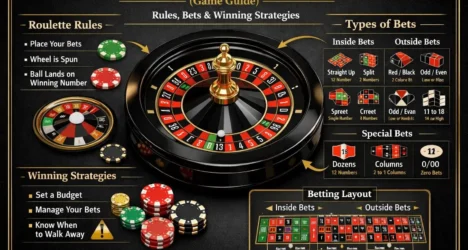
Live dealer blackjack comes in a bunch of different flavors, each with its own quirks and features. Most sites that offer top-notch live blackjack also roll out other live games like roulette, so you can switch it up without missing a beat.
I’ve bounced between blackjack and live roulette plenty of times—no need to leave the lobby. Let’s check out some of the most popular variations you’ll see at online casinos. Whether you’re a purist or you want something a little different, there’s a table for you.
Classic and European Blackjack
Classic blackjack is what most of us cut our teeth on. The dealer uses six to eight decks, deals two cards to everyone, and keeps one card hidden until all players finish their moves.
European blackjack shakes things up a bit. The dealer only gets one card face-up at the start and doesn’t take the second until after players act. This means you don’t lose extra money from doubles or splits if the dealer pulls a blackjack.
Both versions usually pay 3:2 for blackjack, and the dealer stands on 17 in most games. The differences are subtle, but they do change the rhythm of the game.
Infinite and Speed Blackjack
Infinite blackjack is a game-changer—literally anyone can join, no seat limits. Everyone plays against the same dealer hand, but you make your own choices. It’s perfect if you hate waiting for a seat.
Speed blackjack is all about pace. Players get their two cards at once, and whoever makes decisions fastest gets served first for the next card. If you know your basic strategy, you’ll love how quickly you can rack up hands.
I’d recommend infinite blackjack if you want to jump in anytime, or speed blackjack if you’re itching for more action per hour. Both add their own twist to the usual table routine.
Side Bets: Perfect Pairs, 21+3, Bet Behind
Side bets crank up the excitement. Perfect pairs pays if your first two cards are a pair—the payout depends on whether it’s mixed, colored, or a perfect pair (same suit).
21+3 takes your two cards and the dealer’s upcard to make poker hands. Hit a flush, straight, or three of a kind, and you’ll see some big payouts. The odds are longer, but the thrill is real.
Bet behind is handy when all seats are full. You bet on another player’s hand—you don’t control the decisions, but you win or lose with them. I use this during busy times when I just want to get in on the action.
Live Dealer Platforms and Providers
Evolution is the big name in live dealer blackjack. Their lineup is huge: standard games, speed tables, even Lightning Blackjack with random multipliers. The streaming is crystal clear, and the dealers are always pros. Multiple cameras keep you in the action, so you never miss a beat.
Pragmatic Play Live offers another solid choice, focusing on smooth gameplay and mobile-friendly streams. Their tables look sharp and run well, even on smaller screens.
Deck counts vary—usually six to eight decks, depending on the provider and game. Minimum and maximum bets also change, so there’s something for both casual players and high rollers. The variety keeps things fresh, and the personalities at each table make every session unique.
Strategies, Table Selection, and Responsible Gaming

When you sit down at a live dealer blackjack table, strategy and table choice shape your entire experience. I always say, whether you’re a fan of digital blackjack or crave the buzz of a real-time table, you’ve got to watch your bankroll and set those limits before a single card hits the felt.
It’s tempting to get swept up in the action, but responsible play is the backbone of a good session. Classic blackjack tables, especially with a seasoned dealer and lively chat, often give you the fairest odds and the most authentic casino vibe.
Basic Blackjack Strategy
If you want to play smart, basic blackjack strategy is your best friend. It lays out the right move for every hand, depending on what you’re holding and what the dealer shows.
You’ll find yourself choosing between hitting, standing, doubling down, splitting, or even surrendering (if the table allows it). The dealer’s up card and whether you’re working with a soft or hard total make all the difference.
Here’s what I do: I double down on 11, unless the dealer flashes an Ace. Splitting 8s and Aces? That’s almost a no-brainer for me. Those moves just feel right after years at the tables.
Key Strategy Guidelines:
-
Stand on hard 17 or higher
-
Hit on hard 11 or lower
-
Double down on hard 9, 10, or 11 when the dealer looks weak
-
Split Aces and 8s
-
Never split 10s or 5s
-
Use late surrender on hard 16 against a dealer 9, 10, or Ace
Some games let you double after a split, which spices things up and lets you press your edge. Basic strategy, when you stick with it, can cut the house edge to around 0.5%. That’s about as good as it gets—especially when you’re playing with a dealer who keeps the pace lively and the chat flowing.
Table Limits and Game Fairness
Before I jump in, I always check the table limits. There’s nothing worse than getting caught at a table with stakes that don’t match your mood or your wallet.
Low-limit tables usually start at $1 or $5 per hand, which is great for warming up or stretching your session. Mid-stakes tables run $10 to $25 minimums, and the high-roller tables? You’ll need $100 or more per hand to play there.
Personally, I pick tables where the minimum bet is about 2% of my bankroll. That way, I can ride out the swings and enjoy the game longer.
But limits aren’t everything. I watch the dealer’s shuffle, the way they handle the cards, and the transparency of every hand. When you see a proper multi-deck shuffle and a cut card in play, you know you’re in good hands.
Reputable live casinos bring in companies like eCOGRA or iTech Labs to test their games. These folks check the shuffles and make sure the odds are exactly what the casino says they are.
Choosing a Reputable Online Casino
I can’t stress this enough: always play at licensed casinos. The UK Gambling Commission and Malta Gaming Authority are two names I trust, and I always double-check the license numbers at the bottom of the site.
If you’re ever unsure, you can look up the license on the regulator’s website. Licensed casinos have to follow tough rules on fairness and player safety.
Here’s my quick checklist:
-
License from a respected authority like the UKGC or MGA
-
SSL encryption for all transactions
-
Clear independent testing certificates
-
Transparent terms and conditions
-
Fast, friendly customer support
-
Solid player reviews from multiple sources
If a casino hides its license info or racks up player complaints, I walk away. The best live casinos are open about their credentials and treat players with respect.
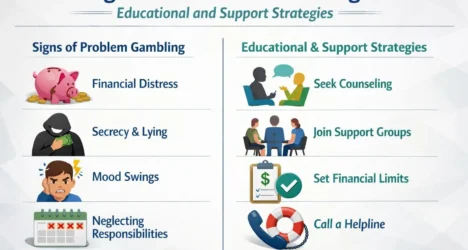
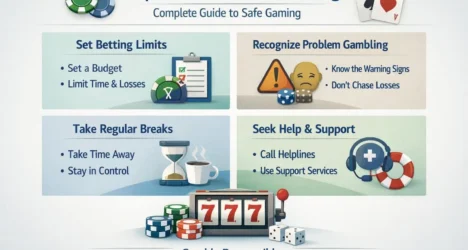
Responsible Gambling Tools and Support
Responsible play keeps the game fun. I set deposit limits before I even log in—daily, weekly, or monthly, depending on my mood and budget.
If I need a break, self-exclusion programs let me lock myself out for a while. Sometimes, I just use a time-out feature to take a short breather. It’s easy to lose track of time when you’re chatting with a charismatic dealer and the table’s buzzing.
Handy Tools You’ll Find:
-
Deposit limits (daily, weekly, monthly)
-
Loss limits
-
Session time reminders
-
Self-exclusion (from six months to forever)
-
Reality checks that pop up to keep you grounded
I always set my limits before the first hand, not in the middle of a hot streak. If things ever get tough, places like GamCare and the National Council on Problem Gambling offer free, confidential help around the clock.
For me, blackjack is about the thrill and the atmosphere, not chasing losses or risking what I can’t afford. Treat it like a night out, not a payday.