

When you sit down for live dealer blackjack or roulette on your phone, you see a dealer and a table. But trust me, that's just the tip of the iceberg.
Behind that stream at any decent online casino, there’s a whole army of people, a maze of cameras, strict security, and tech that doesn’t sleep. The whole operation runs 24/7 just to keep games fair and genuinely entertaining.
Live casino dealers work in high-tech studios with 3 to 12 cameras per table, automated shuffle systems, and constant supervision to protect both players and operators. These aren’t folks flipping cards in their living rooms.
They're trained pros working in facilities that feel like a cross between a casino and a TV studio. I've spent enough time poking around these setups to know the difference.
From the way dealers get hired and trained, to the tech that watches every card, to the reality of working long shifts under the gaze of cameras—there’s a lot most players never see. Let’s dig into what really goes on behind the scenes, and why it matters if you care about your gaming experience.
Key Takeaways
-
Live dealers work in secure studios with multiple cameras, automated shufflers, and strict supervision to ensure fair play
-
The job requires professional training, personality skills, and the ability to manage games under constant recording and monitoring
-
Modern live casino operations combine broadcasting technology with traditional casino security to create a controlled gaming environment
Unveiling the Role of Live Casino Dealers
Live casino dealers are the human link between online platforms and the real action. They run actual tables and interact with you through cameras and chat.
Who Are Live Casino Dealers?
These dealers train for their roles in slick studios, running games for players all over the globe. They deal real cards, spin real wheels, and do it all while standing under a battery of high-definition cameras.
Unlike dealers on a casino floor, these folks broadcast their tables to thousands who log in from home. Most work in dedicated studios, each one packed with multiple tables and games.
Dealers usually specialize—some stick to blackjack, others to roulette or baccarat. They perform under the lens, every move streamed live from several angles to players worldwide.
In my experience, dealers come from all sorts of backgrounds. Many speak more than one language, which is a must when you’re serving players from five continents in a single shift.
Essential Skills and Training
Before they hit the cameras, live dealers go through serious training. I’ve seen programs that cover:
-
Game rules and variations for each table game
-
Card handling techniques and proper dealing procedures
-
Studio technology operation including camera awareness
-
Customer interaction through chat systems
-
Security protocols and fair play procedures
Dealers have to stay laser-focused because both players and supervisors watch their every move. Quick mental math is a must—there’s no time for calculators when payouts need to be right, right now.
Communication is just as crucial. Dealers chat with players while running the game, and believe me, not everyone in the chat is friendly. Training usually lasts up to six weeks, depending on the complexity of the games. New dealers practice in mock studios before stepping into the real spotlight.
On-Camera Performance and Challenges
Working as a live dealer isn’t just about knowing the rules—it’s about performing. Dealers have to keep their energy up, stay personable, and look sharp for hours on end, often talking to players they’ll never see.
I’ve watched dealers handle tough shifts—nights, weekends, holidays—while keeping the game moving and the mood upbeat. Dealing with difficult players is part of the gig, and technical hiccups can happen at any time. The best dealers solve problems on the fly without missing a beat.
Physically, it’s tougher than it looks. Standing for hours, repeating the same motions, and staying mentally sharp takes real stamina. The repetitive nature can wear you down if you’re not prepared.
Inside Live Casino Studios
Live casino studios are wild—they’re part TV set, part casino, and all business. These places never sleep, with teams juggling everything from camera angles to air conditioning.
Studios usually run between 500 and 1,000 square meters. Every part of the operation needs tight coordination between dealers, tech staff, and monitoring systems to keep the games flowing.
Studio Design and Layout
The first time I saw a live casino studio, I couldn’t believe how much it looked like a TV set. Blackjack tables fill one zone, roulette wheels another, and baccarat gets its own booths tucked away in the back.
Behind the scenes, the tech rooms hum away. Server rooms stay at a chilly 21°C to keep the gear cool. Each table has about a dozen LED panels to kill glare, and dealers stand on cushioned mats—trust me, their feet would never survive otherwise.
Evolution Gaming and the other big dogs use anywhere from 3 to 12 cameras per table. One’s always on the dealer, another zooms in on the cards, and a third gives you the wide shot. These cameras aren’t cheap—think $5,000 a pop, sometimes with robotic mounts that track the action.
Broadcast setups rely on ultra-fast networks to keep delays under 1.2 seconds. Studios in places like Riga, Manila, and Bucharest link up to backup servers overseas. If a connection drops, a server in Stockholm or Frankfurt jumps in almost instantly.
Supporting Teams Behind the Dealers
Dealers are just the tip of the iceberg. Broadcast engineers monitor every camera angle from glass-walled control rooms, ready to jump on any technical glitch that could knock thousands offline.
IT specialists keep the Optical Character Recognition (OCR) systems humming—they scan cards in under 200 milliseconds. Lighting techs tweak LED panels all shift long, and producers run the show, handling everything from promos to security.
Studios also employ chat moderators, compliance officers, and fraud analysts. These folks watch for weird betting patterns and scan up to 80 parameters per second for anything fishy. When something looks off, human reviewers get pinged within 15 seconds.
24/7 Scheduling and Shift Structure
Studios run around the clock. Dealers usually work four-hour shifts, rotating to new tables every 30 to 60 minutes to stay sharp. Each shift kicks off with a briefing—new promos, security reminders, and performance goals.
During a typical shift, a dealer might handle 600 spins or deals. Studios track everything: response time, accuracy, even how well you keep up the on-camera energy. Some places rate hosts on a 1-to-5 scale for professionalism.
Covering all those time zones and languages is a juggling act. Top studios broadcast in 22-plus languages, from English and Spanish to Japanese and Turkish. Scheduling those shifts takes serious planning.
Cutting-Edge Technology Behind Live Dealer Games
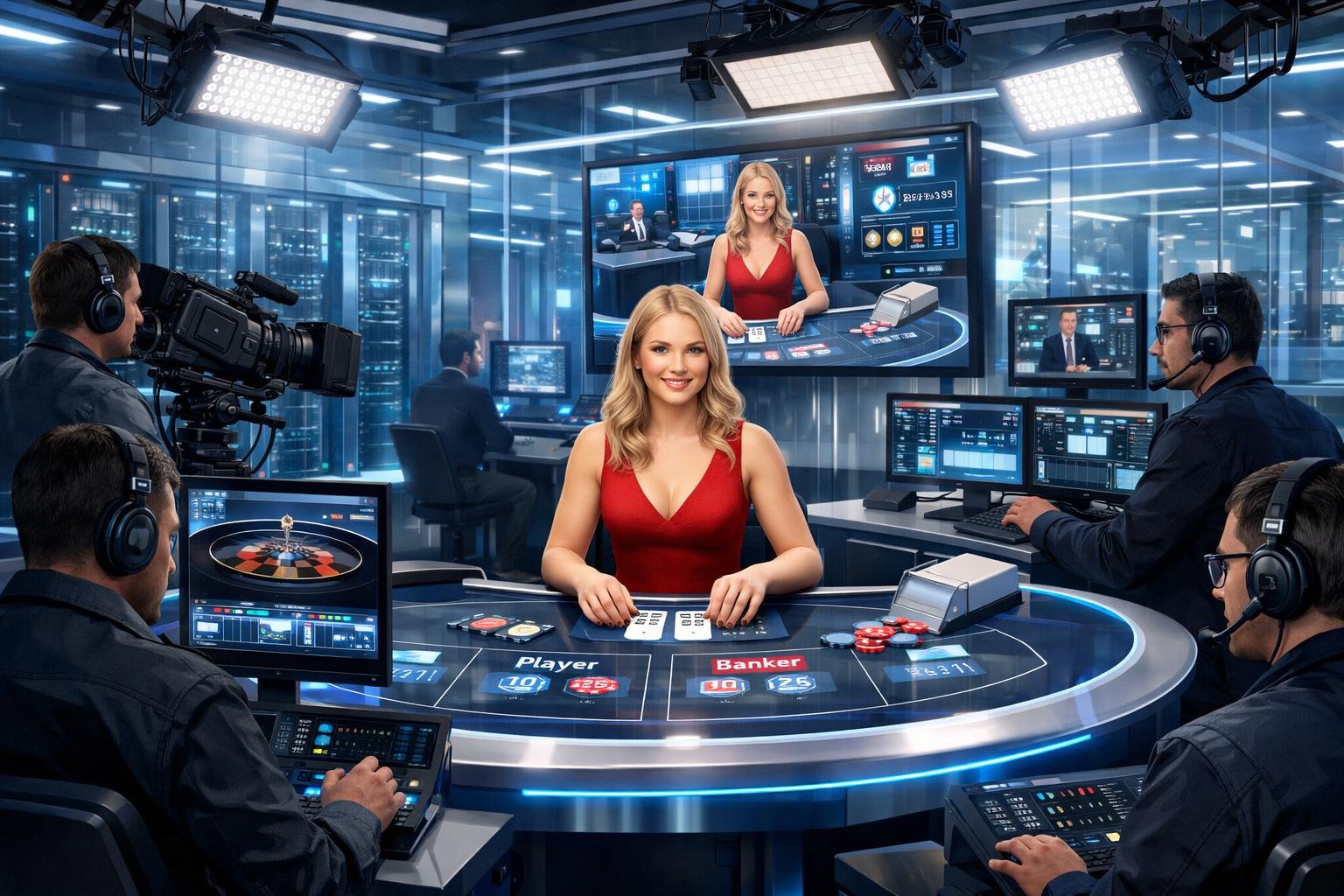
Live dealer games are a tech symphony. HD cameras catch every move, OCR reads results in a blink, and game control units (GCUs) sync it all up so your screen stays in step with the table.
High-Definition Cameras and Multiple Angles
In my experience, the best studios use multiple HD cameras at every table. Most stream in 1080p or even 4K, so you see every detail—no squinting at blurry cards.
At least three angles is the norm: one on the dealer, one overhead, and one for close-ups on cards or the wheel. Some setups let you switch between views or use picture-in-picture. The lighting is pro-grade, too—no shadows, no glare, just a crisp view of the action.
Studios invest in lighting rigs like you’d find in a proper TV studio. That’s what lets you see every card value and roulette number without second-guessing.
Optical Character Recognition in Gameplay
OCR tech is the unsung hero here. Tiny cameras scan every card as it hits the felt, instantly reading suits and values without human help.
The software turns those images into data in milliseconds. Paired with optical camera recognition, it keeps track of the game’s state and feeds the info straight to your interface. When the dealer flips a card or the ball lands, you see the result right away.
No manual result entry, no mistakes. The system logs every hand and spin, which makes dispute resolution a breeze if there’s ever a question.
Game Control Units and Data Flow
The GCU is the heart of any live dealer table. It’s a little box, about the size of a shoebox, hooked up to every table and handling the video feed.
I always say the GCU is the most important bit of gear in the room. It processes the raw camera feed and gets it ready to stream to thousands of players. Every table gets its own dedicated GCU.
The GCU also syncs the video with data from the OCR. That way, what you see always matches what’s really happening. Without this tech, live dealer games wouldn’t work—simple as that.
Reliable Content Delivery Networks
CDNs are what make global live dealer gaming possible. They push streams from the studio to players all over, routing you through the closest server for the fastest connection.
When you join a table, the CDN makes sure you get the lowest lag and smoothest video. Fast-paced games like speed blackjack can’t tolerate buffering—trust me, nothing kills the mood like a frozen stream.
The best CDNs have backup servers and redundancy built in. If one server fails, another takes over instantly. That’s what keeps games running even when thousands log in at once.
The Human Experience and Future Trends

The magic of a great live dealer casino comes from blending cutting-edge tech with real human skill. The industry keeps inventing new ways to engage players, but at the end of the day, it’s the dealers who set the tone and keep it authentic.
Building Trust and Authenticity
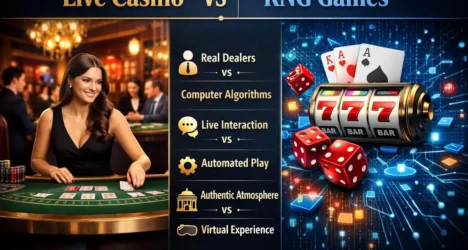
Trust is everything in live dealer games. When I play live blackjack, I watch real cards hit the table from a real person—no algorithms pulling the strings.
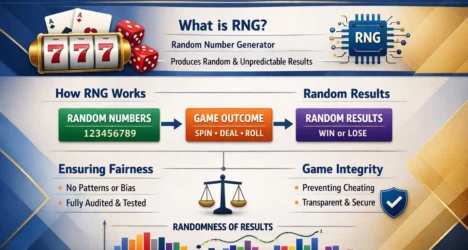
Dealers always clear their hands in front of the camera, showing there’s nothing up their sleeves. Strict routines make sure nothing’s hidden, and that transparency builds confidence you just don’t get from RNG games.
Evolution Gaming and similar outfits train their dealers to do more than just deal. They learn to handle chat, answer questions, and keep things friendly—even when the chat gets rowdy. That human touch is what makes live casino games stand out from the crowd.
If there’s ever a dispute, the dealer and the studio have your back. Every session gets recorded, so any question about a hand or spin can be checked. I’ve seen these systems resolve player concerns smoothly—no drama, just facts.
Innovation in Player Engagement
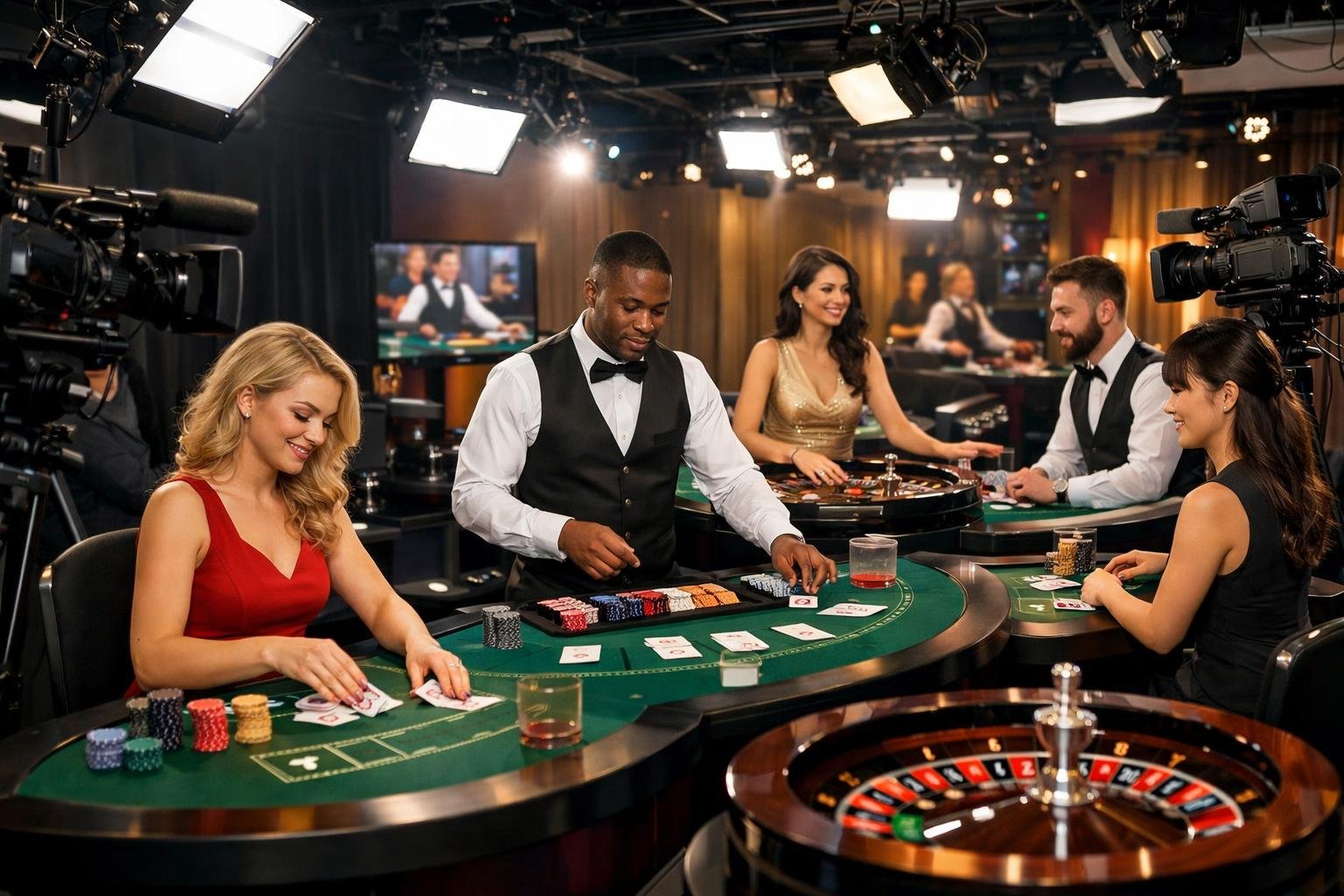
Live dealer studios keep rolling out features that seriously ramp up interaction. Chat functions let me talk straight to dealers and even banter with other players at the table.
Some dealers genuinely remember their regulars and will greet you by username. That little touch adds a personal vibe you just don’t get with RNG games.
Multiple camera angles? Huge plus. I can zoom in on the cards, or switch to a top-down view of the roulette wheel—whatever helps me feel closer to the action.
These options draw me in and make the whole thing feel less like a broadcast and more like pulling up a chair at a real table. In my experience, the immersion factor keeps me coming back for more.
Some platforms even blend in game show elements with traditional casino games. Dealers host these with tons of energy and personality, which turns a regular session into something you actually want to watch, not just play.
And yes, tipping features exist on most sites. But honestly, I rarely see players use them as much as they would in a brick-and-mortar casino. It might impact dealer income a bit, but I’ve never noticed a dip in service quality because of it.
Upcoming Advancements in Live Casino
Virtual reality is about to flip the script on live casino. Instead of just watching on a flat screen, you’ll strap on a headset and suddenly, you’re sitting right at the table. I’ve tried some early VR poker—it’s not perfect yet, but it’s wild how close it gets to the real thing.
AI tools are starting to help dealers handle routine stuff. Chatbots answer basic questions, so the dealer can focus on running the game and chatting with us. Real-time translation software is also on the rise, letting players and dealers connect across language barriers in ways that just weren’t possible a few years ago.
Most industry folks I talk to think live formats will dominate online casino revenue by 2030. Sure, tech will keep improving, but in my view, nothing replaces a good human dealer. Their ability to create those authentic, unscripted moments is what keeps players hooked.