

Gambling addiction can touch anyone’s life, and finding the right support sometimes feels like a maze. There are all sorts of gambling addiction resources out there—24/7 hotlines, peer groups, self-check tools, and professional treatment options—each offering a different kind of help on the road to recovery.
My goal is to help you navigate these gambling support options with as little stress as possible. Knowing where to get help is an important first step toward a healthier relationship with gambling.
Gambling problems don’t just drain your wallet. They can strain relationships, take a toll on your mental health, and disrupt your daily routine.
The encouraging part? With the right support system, recovery is absolutely possible.
If you’re looking for help for yourself or concerned about someone close to you, I’ll break down the main types of gambling addiction resources in a way that’s easy to follow.
You’ll see options for immediate support, group programs, and self-help tools to guide your recovery journey.
Key Takeaways
-
Free 24/7 hotlines and online chat services offer immediate, confidential support for gambling addiction.
-
Peer support groups and therapy sessions connect you with people who understand what you’re going through.
-
Self-assessment tools help you spot gambling risks and point you toward helpful resources.
Immediate Gambling Addiction Support
When gambling starts to take over, you don’t have to wait for help. 24/7 hotlines, crisis counseling, and confidential support services are ready to step in whenever you need guidance—even if it’s the middle of the night.
Recognizing When to Seek Help
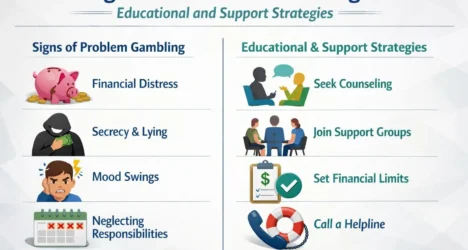
Knowing when to reach out is a big deal and, honestly, it’s not always obvious. Some warning signs? Gambling with money meant for bills, hiding your gambling, or feeling like you just can’t stop—even when you want to.
If you notice thoughts of self-harm after gambling losses or feel buried by debt, please take those feelings seriously. Repeatedly borrowing to gamble, skipping work or school, or seeing relationships break down are all red flags.
When gambling urges feel out of control, that’s the moment to reach for support. Helplines offer immediate help, especially when daily life starts slipping. If you’re a family member noticing secrecy or money problems, reaching out can make a difference for your loved one too.
24/7 Helplines and Confidential Assistance
The National Problem Gambling Helpline at 1-800-GAMBLER (1-800-426-2537) stands ready to offer confidential support by phone, text, or online chat—anytime, day or night.
When you call, trained counselors listen without judgment and can point you to local resources. They know what compulsive gambling looks like and how to help.
These helplines can:
-
Offer crisis intervention and a listening ear
-
Share info about treatment options near you
-
Guide family members who are affected by someone else’s gambling
-
Refer you to peer support groups like Gamblers Anonymous
-
Explain self-exclusion programs
Your privacy matters—calls are always confidential. You don’t need insurance or money to get this help.
Crisis Counseling and Emergency Resources
If you’re in immediate crisis, specialized counselors can jump in to help you stay safe and put some distance between you and gambling. They understand the emotional and financial distress that comes with addiction.
Crisis counseling connects you with mental health professionals who’ll assess your situation and help you make a safety plan. If you’re experiencing severe anxiety, depression, or thoughts of self-harm because of gambling, these counselors can get you to the right care fast.
Many helplines arrange same-day appointments with local treatment providers. They also share info about self-exclusion programs that block access to casinos and gambling sites, which can be a real game-changer when you need a break.
Peer and Group Support Options
Peer support brings together people who know exactly what you’re dealing with. Support groups offer regular meetings, real-life stories, and strategies for steering clear of gambling. Some groups focus on gamblers, others on families, and some include both.
Gamblers Anonymous and 12-Step Programs
Gamblers Anonymous (GA) is a fellowship where people work together to overcome gambling problems. The 12-step approach, inspired by Alcoholics Anonymous, focuses on taking responsibility and finding personal growth—whatever that means for you.
GA meetings give you a confidential space to share your experiences without fear of judgment. Members lean on each other for support through the ups and downs of quitting. There are no fees or requirements for professional counselors; it’s all about mutual support and accountability.
You’ll find GA meetings in most cities, and there are online options too. The program encourages you to admit when gambling feels bigger than you, seek help, and make amends for past mistakes. Sponsors—people who’ve been there—often guide newer members.
SMART Recovery and Self-Management Approaches
SMART Recovery (Self-Management and Recovery Training) is a science-based alternative to 12-step groups. It’s not about spirituality—it’s about practical tools.
SMART teaches four core skills:
-
Building motivation for change
-
Handling urges to gamble
-
Managing thoughts, feelings, and actions
-
Finding balance in life
Meetings focus on tools you can use today. The program draws from cognitive behavioral therapy and motivational interviewing. No need to label yourself or talk about higher powers if that’s not your thing.
Sessions usually last about 90 minutes, and you can join in person or online. Workbooks and worksheets are available to help you practice on your own time.
Family and Loved Ones Support Groups
Gam-Anon is a lifeline for families and friends of people struggling with gambling. This 12-step group recognizes that addiction doesn’t just affect the gambler—it ripples out to everyone close to them.
Gam-Anon meetings provide a safe place for loved ones to share, listen, and learn from each other. People talk about the impact of gambling on their finances, relationships, and emotional health. The group helps families set boundaries and look after their own needs too.
Debtors Anonymous is another option for families dealing with debt and money issues related to gambling. This group focuses on managing finances and building healthier money habits.
Online Support Forums and Communities
Gamtalk is an online forum where you can connect with others facing gambling problems, any time of day or night. You can share your story, ask questions, or just read along if that feels more comfortable.
Gambling Therapy offers free advice and emotional support through online chat and forums. The service is global, connecting people with counselors and peers all over the world.
Online communities are especially helpful if you can’t make it to in-person meetings or need support outside regular hours. You can stay anonymous and participate from home. Many forums are active around the clock, so you’re never alone when things get tough.
Text-based groups let you take your time, think about what you want to say, and absorb advice at your own pace.
Self-Help Tools and Resources for Recovery
Self-help tools give you hands-on ways to track your gambling, learn new skills, and build healthier routines. These can include self-tests, workbooks, and digital tools that offer daily support or reminders.
Self-Assessment Tools and Screening
Free screening tests are available if you’re wondering whether your gambling is a problem. These ask about how often you think about gambling, whether you hide your habits, or if you gamble while bills go unpaid.
They also look at whether you borrow to gamble or miss work because of it. Most take just a few minutes and check for things like anxiety or depression after gambling, or attempts to quit that didn’t stick.
Organizations like the Delaware Council on Gambling Problems and the National Council on Problem Gambling offer confidential online self-assessments. The NCPG website is a good place to start if you want to check your risk level.
These tools help you get real about how serious your gambling issue might be. They can show if you need extra help or if self-help resources might be enough for now.
Educational Guides and Workbooks
The SMART Recovery Handbook is packed with practical exercises for overcoming gambling addiction. It teaches cognitive behavioral therapy skills in a way that’s easy to use, even if you’re not in therapy.
Educational resources explain how gambling can connect with other substance use issues. Books like Compulsive Gambling by Dr. Valerie Lorenz break down addiction patterns and offer actionable advice for when the urge to gamble hits.
Workbooks guide you through exercises that help you build balance in your life, set goals, and swap out gambling for healthier activities.
Apps and Digital Recovery Tools
Digital recovery tools bring daily support straight to your phone or computer. Platforms like Exclaim Recovery pull together guides, coping strategies, and educational content you can access anytime. These apps also help you join online meetings if you can’t make it in person.
Apps let you track urges, spot patterns, and set reminders about your recovery goals. Some send quick exercises when temptation strikes. Others connect you with resources for managing debt caused by gambling.
Online tools make support available whenever you need it, even late at night or on weekends when other services might be closed.