Ever notice how easy it is to lose track of time when gambling online? The minutes—sometimes hours—just slip away, and it can be tough to keep up with your spending or wins. Reality checks are pop-up reminders that show you how long you've been playing and your session results, giving you a clear chance to pause and reflect.
These features are here to help you stay in control of your play. Many gambling sites, especially in the UK and Europe, now offer reality checks as a legal requirement.
When a reality check pops up, it pauses your game and shows you key info about your session. You can choose to keep playing, take a break, or adjust your limits—whatever feels right for you in that moment.
If you’re curious about how these reality checks work, how to set them up, or how to use them alongside other helpful tools, I’m here to guide you. Gaining a real understanding of these options can make it much easier to keep gambling fun and avoid slipping into uncomfortable territory.
Key Takeaways
-
Reality checks are timed pop-ups that show your session length and spending.
-
You can set when these reminders appear and pair them with tools like spending limits or self-exclusion.
-
Taking action when a reality check appears helps you spot early warning signs and stay in control.
Understanding Casino Reality Checks
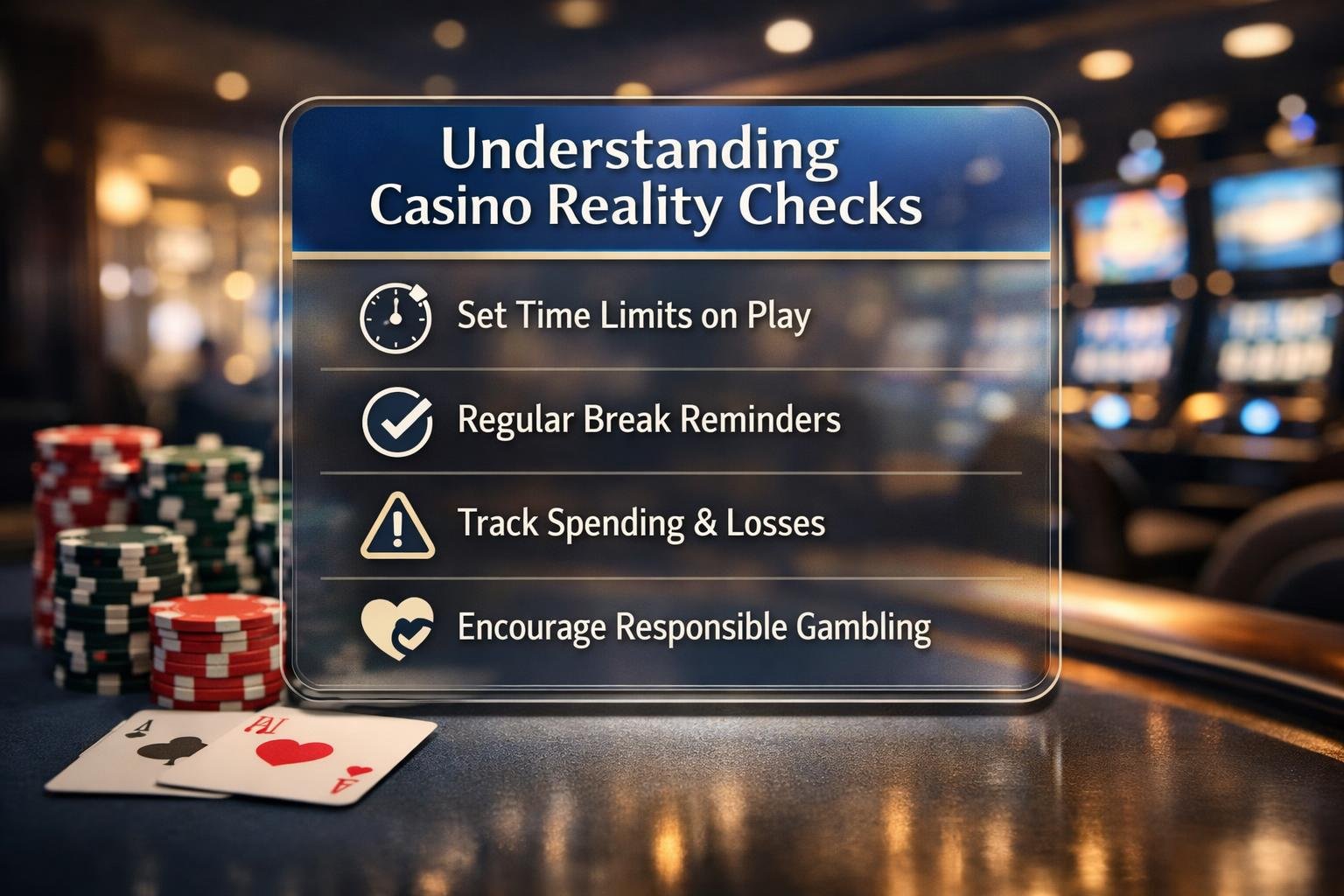
Reality checks interrupt your gambling session at set intervals to show you how long you've been playing and how much you've won or lost. These pop-ups are designed to break the flow and give you a moment to decide if you want to keep going or take a breather.
What Are Reality Checks?
Think of a reality check as a pop-up notification that appears after a certain amount of time while you’re playing online. It pauses your game and lays out the details of your current session.
Usually, you’ll see how long you’ve been playing, your net wins or losses, and options to continue or take a break. Some casinos even show the number of bets placed or deposits made.
The timer starts as soon as you begin playing and keeps running, even if you switch games. This gives you a full picture of your activity, not just time spent on one slot or table. That kind of transparency is important if you’re aiming for healthy gambling habits.
How Reality Checks Work
Reality check timers kick in the moment you log in and start playing. You pick the interval—maybe 15, 30, 60, or 120 minutes.
When the timer hits your chosen mark, a window appears over your game. The game pauses until you respond. You can’t just ignore it or close it out.
The notification gives you three clear choices:
-
Continue playing – resets the timer for another round
-
Set a limit – opens up responsible gambling tools
-
Take a break – logs you out or starts a timeout
Every interaction gets logged with a timestamp. The system tracks when the pop-up appeared, how you responded, and if you set any new limits. These logs help you and the casino spot patterns and make adjustments if needed.
Key Benefits of Reality Checks
Reality checks tackle the time distortion that’s so common in online gambling. It’s easy to lose hours in the blink of an eye, especially with immersive games.
These reminders help you keep tabs on your spending and create natural moments to pause and think. They also offer quick links to deposit limits and self-exclusion tools if you need them.
When you use reality checks alongside other tools, they become even more effective. The pop-ups alone won’t stop harmful behavior, but they do boost your awareness. Research suggests that folks who engage with these prompts are more likely to set limits and take breaks, which is a big step toward safer play.
Difference Between Reality Checks and Mandatory Play Breaks
Reality checks and mandatory play breaks aren’t the same thing. A reality check gives you info and lets you decide what to do next. A mandatory break, on the other hand, forces you to stop for a while—no choice there.
Reality Checks:
-
Show session details
-
You choose whether to keep playing
-
Customizable intervals
-
No forced stoppage
Mandatory Play Breaks:
-
Pause all gambling automatically
-
Can’t be skipped or dismissed
-
Often kick in after long sessions, as required by some regulators
-
May lock you out for several minutes
Some places require both. For example, the UK Gambling Commission mandates reality checks, while certain European markets also require mandatory cooling-off periods if you ignore several reality checks in a row.
Setting Up and Customizing Reality Checks
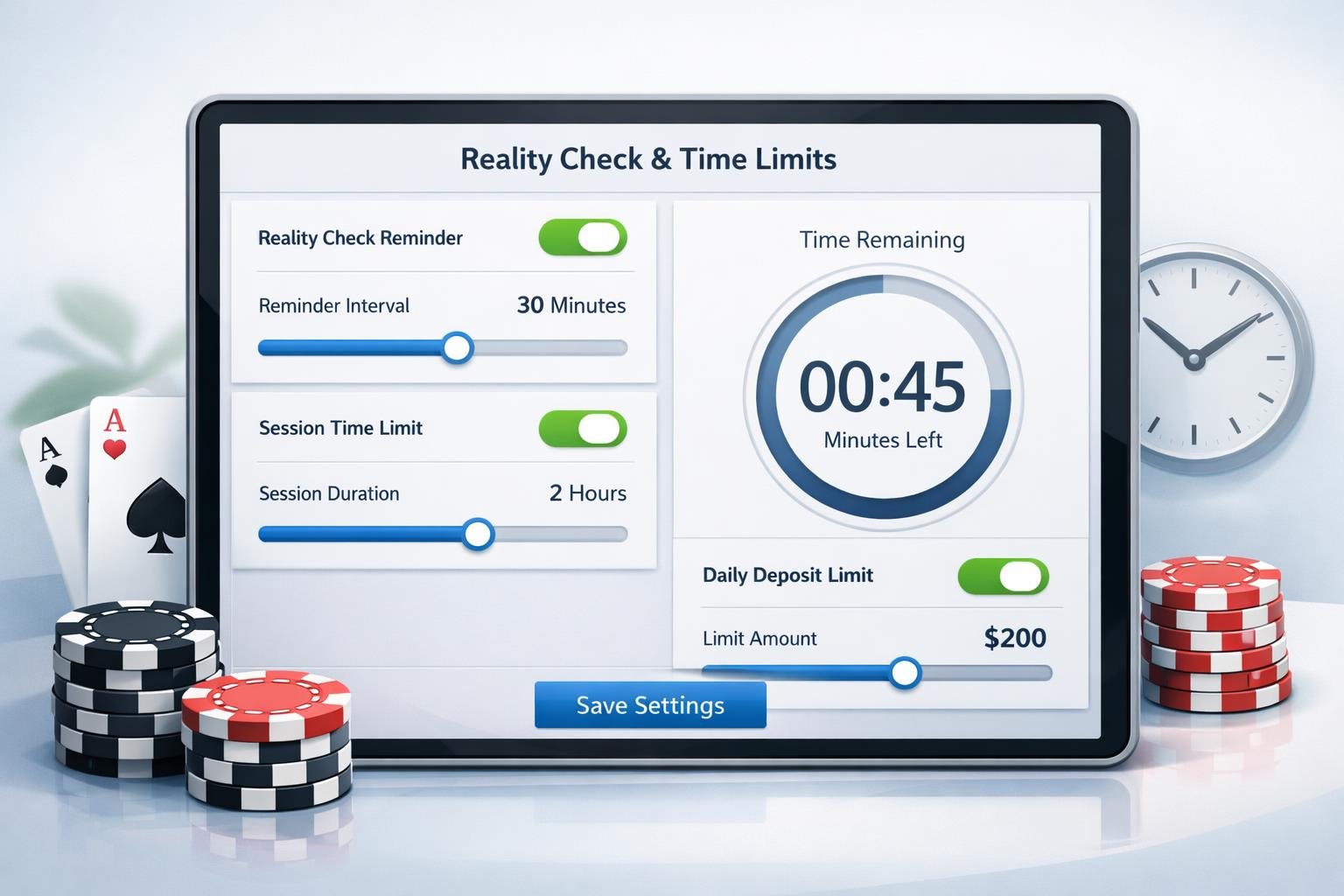
Most online casinos let you set up reality checks through your account settings or the responsible gambling section. You’ll choose how often you want reminders and what info you see in each pop-up.
How to Set Up Reality Check Notifications
I usually find reality check settings in my account dashboard, under responsible gambling tools or account preferences. Regulated casinos tend to make these options easy to spot, often just a couple of clicks from the main menu.
Turning on reality checks is a simple way to show you care about your own wellbeing. I just toggle the feature on and pick how often I want reminders. Some sites ask for confirmation before saving my choices.
It’s important to read the terms, since some places require mandatory reality checks that can’t be turned off. For example, UK operators must offer these notifications at set intervals.
Once I’ve set it up, I get my first reminder based on the interval I chose. The pop-up pauses my game so I can take a breath and check in with myself.
Choosing and Adjusting Reminder Intervals
Most casinos let you pick intervals from 15 minutes up to 2 hours. The most common choices are 30, 60, or 90 minutes.
Standard Interval Options:
-
15 minutes (frequent)
-
30 minutes (moderate)
-
60 minutes (standard)
-
90 minutes (longer)
-
120 minutes (maximum)
I adjust these intervals to fit my habits and budget. If I want tighter control, I pick shorter reminders.
Changing my reality check settings is easy—just head back to the same menu. Most updates apply right away or the next time I log in.
Some regulated sites set a minimum frequency so you can’t stretch reminders too far apart. That helps keep the feature useful and effective.
Customizing Reality Check Features
On some platforms, I can pick what info appears in each reality check. Basic reminders might just show play time, while detailed ones include net wins or losses and total wagers.
Most reality checks display:
-
Total session time
-
Current balance changes
-
Number of bets
-
Quick links to set limits
Some casinos give me the choice to pause the game automatically or just show a reminder I can dismiss. I find the pause option more helpful if I want to avoid getting swept up in nonstop play.
Combining reality checks with other tools like session or loss limits can really strengthen your safety net. Layering these features makes it much easier to stick to healthy habits.
Time Limits and Related Responsible Gambling Tools
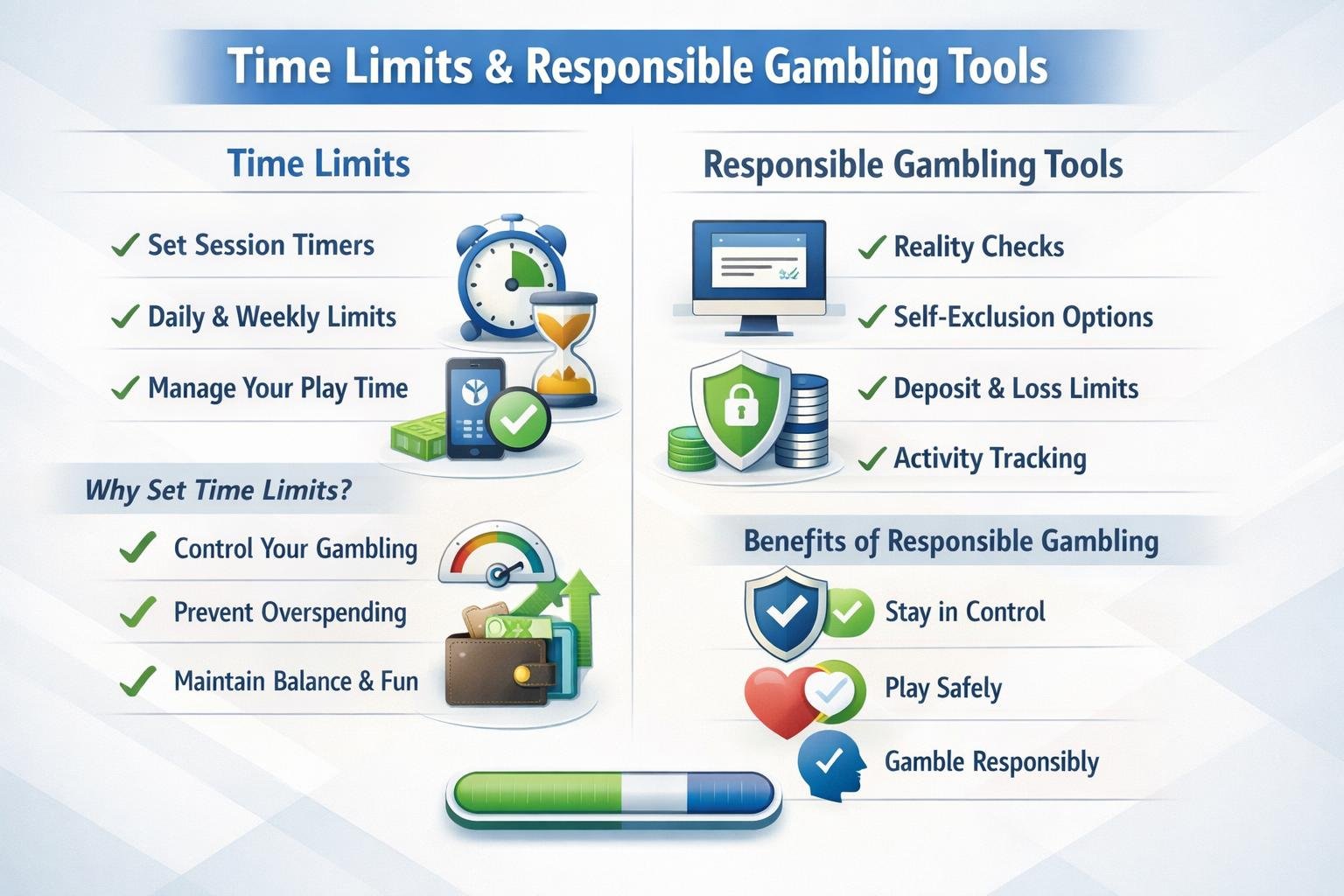
Time limits work best when you use them with other player protection features. Most regulated casinos also offer deposit limits, loss caps, and self-exclusion tools to support responsible gambling.
Session Limits and Time Trackers
Session limits let you decide how long you want to play in a single session. You can set these anywhere from 30 minutes up to a few hours, depending on the casino. When your limit runs out, the system logs you out automatically.
Time trackers show your play time in real-time, usually on your account dashboard or in pop-up reminders. Reality checks add another layer by interrupting gameplay and showing your total play time and wins or losses so far.
You can adjust session limits whenever you want, though some casinos require a 24-hour wait before increases take effect. This cooling-off period helps prevent impulsive changes when you’re in the heat of the moment. Session limits reset after you log out and start fresh.
Deposit and Loss Limits
Deposit limits let you set how much money you can add to your account over a day, week, or month. If you hit your chosen amount, the system blocks further deposits until the period resets.
Loss limits cap how much you can lose within a set timeframe. Unlike deposit limits, these only count your net losses, not your total wagers.
Here’s a quick look at the main types of limits:
|
Limit Type |
What It Controls |
Common Timeframes |
|---|---|---|
|
Deposit Limit |
Money added to account |
Daily, weekly, monthly |
|
Loss Limit |
Net losses from gameplay |
Daily, weekly, monthly |
|
Wager Limit |
Total amount bet |
Per session, daily, weekly |
Most casinos let you lower your limits right away, but they’ll make you wait 24 to 72 hours if you want to increase them. That delay gives you time to think and make sure you’re comfortable with your decision.
Self-Exclusion and Account Controls
Self-exclusion lets you block your own access to gambling sites for a set period. You can choose a short break—maybe just 24 hours or a week—or go for longer exclusions, even permanent closure if that feels right.
During self-exclusion, you lose access to deposits, betting, and your account itself. Casinos also stop sending promotional emails and marketing materials during this time.
Some casinos extend your self-exclusion across all the sites they operate, which can really help if you play in more than one place. It’s important to know that breaking a self-exclusion early just isn’t possible—these locks are designed to stick.
If you want to return after your exclusion ends, you’ll usually need to reach out to customer support to reactivate your account. That extra step gives you time to reflect and make sure it’s the right decision.
Account controls offer other tools like reality checks and timeout periods. Timeouts are different from self-exclusion—they’re shorter, less formal, and perfect if you just need a 24-hour breather.
Integrating Multiple Player Protection Tools
Mixing different responsible gambling tools gives you stronger protection than relying on just one. You might set a deposit limit to manage spending, add session limits to control your playtime, and turn on reality checks for regular reminders.
Many casinos now provide dashboards where you can see and adjust all your limits in one place. These dashboards show your current settings, remaining limits, and gambling history so you can spot patterns and tweak your tools as needed.
The most effective setup uses three layers: time controls with session limits, financial controls like deposit and loss limits, and emergency controls such as self-exclusion. This combination helps you keep things balanced and ensures you have backup options if you ever need stronger support.
Practical Tips for Safer Gambling With Reality Checks

Reality checks are most helpful when you set them thoughtfully and pair them with other limits. It’s a good idea to start with shorter intervals and adjust based on your own play habits, especially if you’re into fast-paced games like online slots or blackjack.
Best Practices for Using Reality Checks
Try setting your reality check timer to 30 minutes when you’re new to the feature. This gives you regular reminders without being too disruptive.
If you play quick games like slots, shorter intervals—say, every 15 minutes—work better. It’s easy to lose track of time in those rapid-fire sessions, and more frequent reminders can help you stay grounded.
When the pop-up appears, check in with yourself. Ask: How much have I spent? How long have I been playing? Am I still having fun?
-
Check your spending
-
Notice your playtime
-
Assess your enjoyment
Don’t just close the notification right away. Take a breath and really consider whether you want to keep going. That’s the whole point of these reminders.
It’s smart to test your reality check after you set it up. Play for the chosen time period and make sure the notification appears. Some sites need you to enable this through customer support, so double-check it’s working as intended.
Recognizing Problem Gambling Behaviors
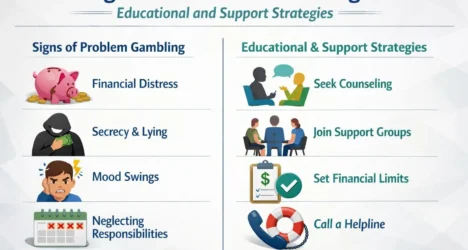
It’s important to watch for warning signs that your gambling might be heading in an unhealthy direction. If you catch yourself closing reality check pop-ups without reading them, that’s a red flag.
Chasing losses is a classic sign of trouble. If you notice you’re increasing bets after losing or ignoring time limits to win back money, it’s time to take a break.
Other things to watch for include feeling anxious or irritated when a reality check pops up, playing longer than you planned, hiding your gambling from others, or thinking about gambling during unrelated activities.
-
Feeling on edge or annoyed when reminded
-
Regularly playing past your planned stop time
-
Keeping your gambling secret
-
Daydreaming about gambling when doing other things
If these patterns sound familiar, it’s important to activate stronger tools like session limits or cooling-off periods. Reality checks won’t fix everything, but they can help you spot changes in your behavior before things get out of hand. Support is always available if you need it.
Combining Limits for Balanced Play
Using several responsible gambling tools together gives you more control. Pairing reality checks with deposit limits creates a solid safety net.
My favorite approach uses three limits: a reality check at 30 minutes, a daily deposit cap, and a loss limit per session. This setup keeps both time and money in check.
For longer games like blackjack, you might adjust your reality check to 45 or 60 minutes, but keep your financial limits steady no matter what you play.
Scheduling your play for specific hours can also help. If a reality check pops up near your planned end time, log off—even if you’re winning. That kind of discipline is a big part of healthy gambling habits.
Time limits and reality checks serve different purposes. Reality checks remind you how long you’ve played, while session limits actually end your play. Using both together offers the highest level of protection.
Frequently Asked Questions
Reality checks and time limits use automated reminders and session controls to alert you about your gambling activity. Most online casinos let you customize these features, though some regulations set minimum standards to keep everyone safe.
What are casino reality checks and how do they function?
Reality checks are automated pop-ups that appear during your gambling sessions to keep you informed. These alerts show how long you’ve been playing, your net result, and your total spending. The system tracks your session from the moment you start until you log out or close the casino.
Most reality checks show up at set intervals—maybe every 30, 60, or 120 minutes. When the notification appears, your game pauses and you see the facts about your session. You can then decide whether to take a break, set a limit, or keep playing.
Some casinos also trigger reality checks based on your financial activity. If you reach a certain percentage of your deposit or loss limit, you’ll get an alert. The system tracks all bets, wins, and losses to calculate your net result.
How can players set time limits for their gambling sessions in online casinos?
You can set time limits in your account settings or through responsible gambling tools. Most casinos offer pre-set options like 30 minutes, 1 hour, 2 hours, or custom periods. Once you set a limit, the casino tracks your playtime and warns you when you’re close to your threshold.
It usually takes just a couple of clicks. You go to your account settings, select responsible gambling, and pick your preferred time limit. Some casinos require a cooling-off period—usually 24 to 72 hours—before you can increase your limits.
Session time limits actually stop your play when you reach them, while reality checks just remind you of your activity. Using both together helps you stay in control.
What regulations govern the implementation of reality checks and time limits in online casinos?
Different countries and jurisdictions set their own rules for reality check intervals and features. For example, the UK Gambling Commission requires online casinos to provide reality checks and make responsible gambling tools easy to find. Many European markets also require regular reminders during play.
Some regulators specify the maximum time allowed between reminders. Licensed casinos must show session duration, money spent, and net wins or losses. Requirements vary depending on the licensing authority.
Casinos keep permanent logs of all reality checks and player responses. These records usually need to be stored for 5 to 7 years for compliance. The logs include timestamps in UTC and document what action you took after each reminder.
Are there customizable options for reality checks and time limits depending on the player's preferences?
Most licensed casinos let you adjust reality check intervals. Common choices include 15, 30, 60, or 120 minutes. Some sites allow custom intervals so you can tailor reminders to your needs.
The amount of customization depends on the casino and its license. You can usually choose which details appear in your reality check—session time, net result, number of bets, or your current balance.
However, you can’t turn off reality checks entirely at most regulated casinos. You might be able to set the interval to the maximum allowed, but some form of reminder will always appear. If you’re playing at a high-risk profile, the casino may limit your customization options and require shorter intervals.
How do reality checks and time limits in online casinos enhance responsible gambling practices?
Reality checks help you stay mindful by interrupting automatic play. When you see a reminder showing your actual spending and time, you can make more informed decisions. Research suggests that players who use reality checks are more likely to set deposit limits and take breaks.
Time limits prevent marathon sessions that can lead to loss of control. They create natural stopping points in your play. Using both features together helps you stay aware of your gambling behavior and keep responsible play at the forefront.
These tools are most effective when combined with other responsible gambling features. Many players who use reality checks also set deposit or loss limits. The reminders often include quick links to set new limits, making it easy to access extra protection whenever you need it.
Can players disable the reality checks and time limits features, and what are the consequences of doing so?
At regulated online casinos, you can't fully turn off reality checks. Licensing rules require casinos to send these reminders to everyone, no matter what.
You might be able to stretch out the time between reminders to the longest option available, but switching them off altogether isn't possible.
When it comes to time limits, most places let you decide whether or not to set them. If you don't want to set a limit, that's your choice.
But if you do choose to set a time limit, keep in mind that you usually can't remove it right away. Responsible gambling policies often include a cooling-off period to help protect you from impulsive decisions.
Some casinos go a step further and add mandatory reality pauses if you keep dismissing reminders. For example, after ignoring three reality checks in a row, the system might make you take a short break—maybe two to five minutes.
This little pause is there to give you a moment to reflect, instead of just clicking through without thinking. It's important to pay attention to how you're feeling during these reminders—healthy habits include checking in with yourself.
If you ever feel tempted to get around these features by making multiple accounts, it's best to reconsider. Casinos treat this as a serious breach of their terms.
Violating these rules can lead to your account getting closed, losing your funds, or even being self-excluded from other licensed sites. Support is available if you ever feel stuck or unsure about your limits—reaching out is a sign of strength, not weakness.