

Underage gambling can bring real risks for young people. It can lead to addiction, money troubles, even legal issues, and sometimes school performance takes a hit.
Regulators across the United States set strict age limits—usually 18 or 21, depending on the gambling type. They require operators to check ages before letting anyone place bets or play casino games.
Prevention takes more than just rules. Operators use age verification systems, post clear warnings, and train staff to spot underage gamblers.
Parents and schools can help by talking to young people about gambling risks. Let’s look at how these systems work, what penalties exist, and strategies that actually keep minors away from gambling.
Understanding these regulations helps everyone—operators, parents, and young people—protect youth from gambling harm. Rules might differ by state or gambling type, but the goal is clear: keep gambling for adults only.
Key Takeaways
-
Most states set the legal gambling age at 21 for casinos and sports betting, though some allow certain activities at 18.
-
Operators risk heavy fines and losing their license if they allow underage gambling. Minors caught gambling may get fines, community service, or even a criminal record.
-
Effective prevention relies on age verification technology, strong enforcement, parental involvement, and education about gambling risks.
Understanding Underage Gambling and Its Risks
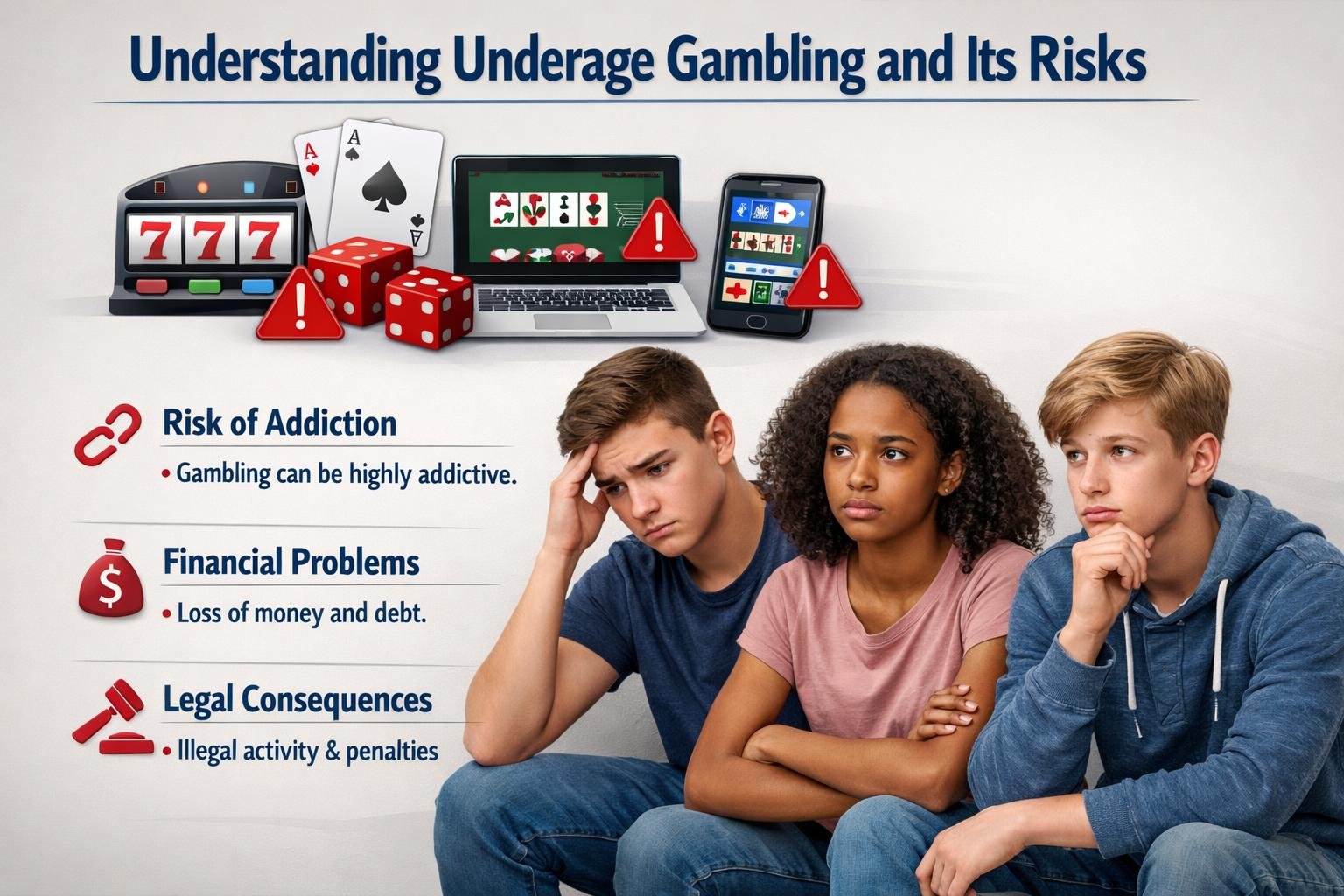
Underage gambling happens when minors take part in betting before they reach the legal age. Data shows that some start as early as middle school.
Since their brains are still developing, young people are more vulnerable to addiction and money problems. This especially affects their impulse control and ability to see long-term consequences.
Definition and Scope of Underage Gambling
Underage gambling means any betting by someone below the legal age. The legal age changes by state and gambling type, usually between 18 and 21.
This covers casino games, sports betting, lottery tickets, online gambling, and daily fantasy sports. Some states let 18-year-olds buy lottery tickets, but you have to be 21 for casino gambling.
It’s not just about casinos. Many young people gamble informally—betting on sports with friends, playing cards for cash, or sneaking onto gambling sites with fake IDs. Studies suggest around 39.5% of youth ages 12 to 17 have gambled in the past year.
About 30% of youth report starting gambling at or before age 10. Early exposure can raise the risk of developing gambling problems later.
Risks and Consequences for Minors
Youth are at higher risk for gambling addiction because their brains are still maturing. The parts that handle decision-making and impulse control keep developing into the mid-20s.
Key risks include:
-
Addiction vulnerability: Young people are more likely than adults to develop gambling disorder.
-
Financial losses: Minors often lack the skills and resources to handle gambling debts.
-
Academic decline: Gambling can distract from schoolwork and hurt grades.
-
Social problems: Friendships and family relationships may suffer.
-
Mental health issues: Stress, anxiety, and depression can increase.
Legal trouble is another risk. If caught, minors may face fines, community service, or even juvenile detention. A conviction can leave a criminal record that affects jobs and education down the road.
Parents who let or help their kids gamble might also face penalties. Courts sometimes suspend a minor’s driver’s license for up to six months as punishment.
Demographics and Prevalence Among Youth
We still have gaps in understanding how gambling truly affects young people, but what we do know is troubling. Underage gambling is more common than many folks realize.
Boys usually gamble more than girls. Kids from families where parents gamble are more likely to try it themselves.
Lottery tickets and scratch-offs are often the first step, followed by sports betting and online gambling. These are easier for minors to access.
Online gambling and mobile betting apps have made access much easier for underage players. Even with age checks, enforcement isn’t perfect.
Youth athletes and competitive gamers tend to bet on sports more often. Constant advertising and social media make gambling seem normal, which probably doesn’t help.
Legal Frameworks and Regulatory Requirements
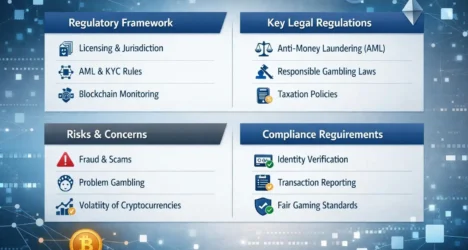
Preventing underage gambling depends on a patchwork of federal and state laws. These laws set age requirements and spell out what’s not allowed. Operators have to check ages, keep records, and face penalties if they slip up.
Federal and State Underage Gambling Laws
Federal law bans certain forms of underage gambling, especially on tribal lands and across state lines. The Wire Act and Unlawful Internet Gambling Enforcement Act limit online gambling, but they don’t set a national minimum age.
States write most of the rules. Each state defines what counts as underage gambling and sets its own penalties. Usually, letting minors gamble is a misdemeanor or felony, with fines from $500 up to $10,000 and sometimes jail time.
Operators face tougher consequences than individual minors. Casinos and online sites must check ages before letting anyone play. Breaking the rules can mean losing a license, big fines, or shutting down for good.
Legal Gambling Age Across Jurisdictions
The minimum age for gambling isn’t the same everywhere. Most states require you to be 21 for casino gaming, but 18 is enough for lottery tickets or bingo in some places.
States like Nevada, New Jersey, and Pennsylvania all require casino patrons to be 21. Other states let 18-year-olds play certain games, like charitable bingo or state lotteries.
Online gambling follows the same rules as land-based gambling. States with legal online betting require users to be 18 or 21, depending on the state. Operators check ages through ID documents, database lookups, and sometimes third-party services.
Key Regulatory Bodies and Associations
State gaming commissions oversee gambling in their areas. They license operators, run audits, and make sure age checks happen. They also handle complaints and hand out penalties.
The American Gaming Association offers industry guidance and promotes responsible gaming standards. They publish regulatory guides and codes of conduct for their members.
The National Council on Problem Gambling develops responsible gambling standards, which many states now use. Some states require operators to follow NCPG’s standards for age checks and prevention programs, including employee training and intervention protocols.
Effective Prevention and Compliance Strategies
Preventing underage gambling works best when several layers of protection work together. Strong age checks, well-trained staff, self-exclusion programs, and careful advertising all help keep gambling out of reach for minors.
Age Verification Procedures
Age verification is the first and most important step. I always suggest using several checkpoints where people have to show ID before they can gamble.
At physical casinos, staff check government-issued photo ID at the door. If someone looks young, they check again at tables or machines.
Online casinos have a tougher job. They need to use advanced systems that check documents against government databases and sometimes use facial recognition for selfies. Some sites ask for utility bills or bank statements to confirm age and address.
Verification needs to happen before anyone can deposit money or bet. Some sites let people browse but block any gambling until verification is complete. Third-party services that specialize in ID checks can add another layer of safety.
Failed age checks should lock the account and alert a compliance team. Staff should look at questionable cases by hand, not just trust the computer.
Employee Training and Monitoring
Employees need good training on age verification and spotting fake IDs. The best training covers laws, company rules, and what happens if someone slips up. I like to focus on real situations staff actually face on the job.
Casino workers should learn how to check different types of IDs and get hands-on practice. Online support staff need to spot suspicious account behavior that might mean someone is underage. Regular refresher courses help staff stay sharp and learn about new tricks minors might try.
Monitoring systems track whether staff follow the rules. Supervisors can do spot checks or review surveillance footage to see if ID checks happen. Mystery shoppers sometimes test if staff will let someone gamble without proof of age.
Keeping records of all training and compliance checks is important. This way, regulators see that the casino takes underage gambling seriously.
Self-Exclusion Programs and Responsible Practices
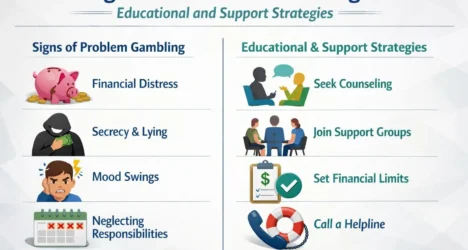
Self-exclusion programs let people ban themselves from gambling venues. While they’re mostly for those struggling with gambling, parents can use them to keep kids out. Signing up should be easy—online, by phone, or in person.
Sharing self-exclusion lists across casinos and updating them regularly makes them more effective. Casinos can add self-excluded people to facial recognition systems and train staff to spot them. Online platforms should block self-excluded users by name, address, email, and payment method.
Responsible gambling tools go hand-in-hand with self-exclusion. Setting deposit limits, showing how long someone has played, or displaying losses can help people stay in control. These tools are especially helpful for young adults who are old enough to gamble but might not have much experience managing risk.
Educational materials about gambling risks should be easy to find in casinos and online. Information on helplines and support services needs to be visible and accessible.
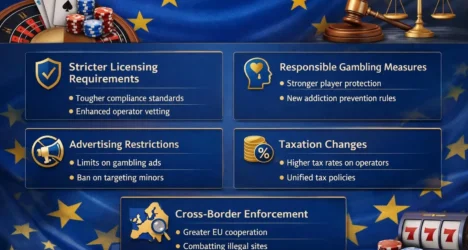
Advertising Restrictions and Youth Protection
Ads shouldn’t target minors or show up where kids hang out. I avoid using cartoons, celebrities popular with kids, or anything that might catch a young person’s eye. Every ad should make age restrictions and responsible gaming messages clear.
Online ads need careful targeting. Social media and web ads should use age gates and block anyone under 21 from seeing gambling promotions. Geofencing can help keep ads away from schools and playgrounds.
Sponsoring youth sports or events isn’t a good idea—it just raises red flags. I suggest steering clear of these partnerships altogether. Even college sports sponsorships can be tricky, since many students are underage.
Affiliate marketing partners need to follow the same advertising rules. Third-party sites that promote gambling should check visitor age and avoid youth-focused content. Regular audits help catch problems before regulators do.
Addressing Challenges and Emerging Trends

New tech and cross-border gambling make enforcement more complicated than ever. Regulators have to keep up with fast-moving changes, and sometimes research just can’t keep pace with what’s happening on the ground.
Online Gambling and Technology Risks
Online casinos and betting platforms create unique challenges for anyone trying to prevent underage gambling. Digital spaces often let minors slip past traditional age checks, especially when they use stolen credentials.
Recent studies found that 47% of teens engaged in online betting activities in 2025. That's a huge jump in youth participation in the digital gambling world—honestly, it's a bit alarming.
Mobile gambling apps now put betting in everyone's pocket, making it possible to play anywhere, anytime. This round-the-clock access removes a lot of the barriers that used to keep underage gambling in check.
Many platforms still don't use strong identity verification, or they rely on checks that are easy to get around. It's important to recognize these gaps if you want to help young people stay safe.
Emerging tech like cryptocurrency gambling makes things even trickier. These sites often operate with very little oversight and let people gamble anonymously.
Social casino games and loot boxes blur the line between gaming and gambling, especially for kids. Without clear rules, children can get exposed to gambling mechanics before they ever set foot in a real casino. Healthy habits include talking openly about these risks and setting clear boundaries at home.
Policy Gaps and Cross-Jurisdictional Issues
Most gambling laws focus on individual responsibility, not big-picture prevention. Over 80% of countries allow some form of gambling, but few treat gambling addiction as a real public health concern in their policies.
Cross-border online gambling regulations can turn enforcement into a nightmare. Minors sometimes access offshore gambling sites that local regulators can’t touch.
Different regions use different age limits and verification standards, making it easier for underage users to find loopholes. It's frustrating to see how easy it is for determined teens to get around the system.
Many places still lack strong advertising restrictions aimed at minors. Gaming platforms often market directly to young people through influencers and sponsorships on social media.
The focus tends to land on individual harm, but families and communities feel the wider impact too. If you notice aggressive marketing or easy access, it's worth raising the issue with local authorities or advocacy groups.
Future Directions in Regulation and Research
Effective prevention means every gambling platform should require real age verification. That includes biometric checks, document scans, and regular re-authentication—not just a box to tick.
Advertising limits need to actually stop gambling content from reaching minors online. It’s important for parents and educators to know how to spot these ads and talk about them with kids.
Banks and payment providers can help by flagging and blocking underage gambling transactions. Financial institutions have a role to play in keeping young people safe.
Independent research, free from industry influence, is crucial for understanding how gambling problems develop and how to prevent them. Honest data helps everyone—from parents to policymakers—make better decisions.
Policymakers should look at the whole system: product design, accessibility, and marketing all matter. Education for parents and teachers goes a long way in prevention, especially if it includes practical tools and real-life examples.
Future laws really need to address cryptocurrency gambling and social casino games, since these areas are growing fast and often slip through the cracks. If you’re worried about any of these trends, support is always available.