

Step into any casino, or just scroll through online gambling forums, and you’ll see folks swearing up and down about their slot betting strategies. Some players pass around slot tips they’re convinced will give them the edge, hoping to crack the code on land-based, digital, or classic slots. The hunt for that elusive “winning pattern” never seems to end.
If you ask me, really understanding how slot machines work is the first step. Most supposed slot betting strategies won’t actually boost your odds—every spin’s random, period. But let’s be real: smart bankroll management keeps you spinning longer and losing less, which is a win in my book.
Here’s the deal: slot machines run on Random Number Generators, so each spin stands alone. No betting system will ever beat the underlying math. But don’t toss out every strategy just yet—knowing how slots tick helps you dodge money-wasting myths and focus on what really matters: stretching your budget.
Let’s break down the strategies that just don’t work, and the practical habits that actually help. I’ll show you why some approaches fall flat and which bankroll management tricks keep serious players in the game.
Key Takeaways
-
Slot machines use random number generators, so betting patterns and timing tricks won’t change your luck.
-
Solid bankroll management—like percentage-based bets and session limits—helps control losses, even if it doesn’t change your odds.
-
Picking slots with higher RTP and matching volatility to your budget are the only proven ways to play smarter.
How Slot Machines and Strategies Work
Slot machines follow fixed math principles, and strategies really come down to game selection and bankroll management—not predicting results. The heart of it all? RNG tech, RTP stats, game volatility, and features that shape every spin. These elements decide how often you’ll see wins and how big they might get.
Role of Random Number Generators (RNG) in Slot Outcomes
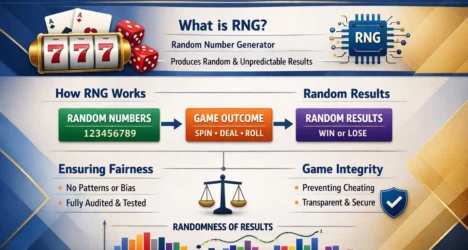
Every slot—whether it’s a clunky old classic or a flashy new video slot—relies on a random number generator to decide each spin. It’s all software, all the way down.
Big-name providers like NetEnt use advanced algorithms to keep things fair. The RNG spits out thousands of number combos every second, even if nobody’s playing.
When I hit “spin,” the RNG grabs one combo and locks in the outcome. That’s what decides which symbols land on your reels. It’s a fresh start every time.
No matter what just happened, the next spin’s odds don’t change. Just hit a jackpot? The very next spin could do it again—or not. The idea of “hot” or “cold” machines? Sorry, but that’s pure myth.
Independent labs regularly test these RNGs to make sure they’re truly random. No betting strategy can outsmart this. If someone claims they can predict or influence outcomes, I’d take that with a big grain of salt.
Understanding Volatility, RTP, and Hit Frequency
RTP, or return to player, is basically the percent of all bets a slot pays back over time. If you’re chasing better odds, hunting for a high RTP slot is the way to go. Developers set this number, and it doesn’t budge. For example, a 96% RTP means the game’s designed to return $96 for every $100 wagered—over millions of spins, not the next hour at your local casino.
RTP Classification:
-
97%+: These are my top picks—hard to beat.
-
95-97%: Solid for regular play, still worth your time.
-
92-95%: Meh, they’re okay if you like the features.
-
Below 92%: I steer clear—just not worth it.
Volatility is the slot’s personality. Low volatility slots hand out small wins often, so you get that steady drip-drip of excitement. High volatility slots? They’re feast or famine—long dry spells, but when they hit, wow, those wins can be massive. You’ll feel every swing in your bankroll.
Hit frequency tells you how often you’ll see any win at all. A 25% hit frequency means you’ll win on one out of four spins, but don’t expect those wins to always cover your bet.
I always check the paytable for RTP and volatility before I play. These numbers won’t change, no matter how many times you spin. Matching the right volatility to your bankroll is way more important than just chasing the highest RTP.
Slot Machine Mechanics: Paylines, Reels, and Bonus Features
Most modern slots have three to five reels and a bunch of paylines. Paylines are those zig-zag patterns where matching symbols line up for a win. Some games stick to 10-25 fixed paylines, but others go big—think megaways with thousands of ways to win. That’s when the reels really come alive.
The paytable is your roadmap. I always give it a look before spinning so I know what to expect. It spells out what each symbol combo pays and how those bonus features work.
Speaking of features, this is where it gets exciting. Free spins, multipliers, wilds, and bonus rounds all add flavor to the base game. Multipliers can crank up a single win into something epic, and wilds often swoop in to complete a line just when you need it. Scatter symbols? They’re usually your ticket to bonus rounds or free spins.
Bonus rounds are like mini-games inside the slot. They can really ramp up your payout potential, though how often you’ll trigger them totally depends on the game. Sometimes it’s a waiting game, but when that bonus finally hits, the rush is real.
Some new slots let you buy straight into the bonus feature. It’ll cost you—often 50x or 100x your base bet—but sometimes that’s worth it if you’re chasing the thrill. Just a heads-up: the RTP might shift when you use feature buy, so check the numbers before diving in.
Evaluating Slot Betting Strategies and Practical Approaches
Let’s be honest: a lot of slot betting strategies sound good on paper but flop in real play. If you want to know how to win at slots, you’ve gotta realize most strategies are about managing your cash, not outsmarting the machine. The difference between what works and what doesn’t comes down to understanding slot mechanics, keeping your bankroll in check, and picking games that fit your style and budget.
For me, a real online slots strategy is all about choosing the right games—not trying to “beat” the software. Adjusting your bet size to match the game’s volatility is the smartest move. It’s not flashy, but it works.
Popular Strategies: Martingale, Progressive Betting, and Bet Sizing
Let’s talk Martingale. The idea is you double your bet after every loss, hoping to win it all back with one lucky spin. But in slots, each spin’s a fresh roll of the dice, and your bankroll can vanish way too fast. Most people hit their loss limit—or the machine’s max bet—before they ever recover.
Other progressive betting systems fall into the same trap. They’re built on the myth that past spins somehow affect the next one, which just isn’t true with RNG slots.
What Actually Works:
-
Fixed bet sizing—I stick to about 1% of my bankroll per spin.
-
Percentage-based betting—adjust your bet as your balance goes up or down.
-
Volatility-adjusted bets—for high volatility slots, I go as low as 0.5% per spin; for low volatility, I’ll push it up to 1-2%.
Honestly, simple bet sizing beats any complicated system I’ve tried. The goal is to keep playing, not chase patterns that aren’t there. Any slots betting strategy worth its salt should focus on fun and keeping your bankroll alive.
Bankroll Management and Setting a Gambling Budget
If you ask me, setting a budget is the number one slots strategy. I always split my monthly entertainment budget into separate sessions—never merge them. That way, I don’t get tempted to chase losses when things go sideways.
I start by figuring out my total gambling budget for the month, then divide it into four to six sessions. If I’ve got $400, that’s around $67-100 per session. Keeps things manageable.
Essential Budget Rules:
-
Set loss limits at 50-100% of your session bankroll.
-
Set win goals—maybe 20-50% profit, depending on how lucky you’re feeling.
-
Don’t chase losses by dipping into other funds. Just don’t.
-
Set time limits—one or two hours max per session.
If you want to gamble responsibly, treat these limits as non-negotiable. I write them down before I start and track every session in a log—helps me spot bad habits before they get out of hand. Some players like to switch machines if they think a game’s “cold,” but honestly, that’s just for peace of mind. The math doesn’t care about your feelings.
Game Selection: Volatility, RTP, and Progressive Jackpots
Game choice is everything when it comes to spinning the reels. Some of the best online slots let you pick your own risk level based on clever mechanics and features.
Take Dead or Alive 2, for example—this high-volatility beast can deliver jaw-dropping wins, but you’ll need a decent bankroll to survive those inevitable dry spells. RTP, or Return to Player, shows you the theoretical payback over millions of spins. I always hunt for games with high RTP, ideally above 96%, and it’s honestly one of the first things I check before I even think about hitting spin.
Knowing a slot’s RTP gives you an edge—at least as much as you can get—because it’s about maximizing value over the long haul. If you’re serious about getting the most out of your play, you have to peek at the technical details. Spotting a high RTP game can mean more playtime, more features triggered, and more chances for that epic bonus round.
Low volatility slots are all about frequent, smaller wins. It’s a steady rhythm, perfect if you like to see your balance tick up regularly. High volatility slots, though, are a different animal—fewer hits, but when the reels line up, the payouts can be massive. Your bankroll should match the game’s volatility. For high-volatility slots, I recommend having at least 200x your bet size to ride out those cold streaks and still be in the game when the magic happens.
Classic slots can surprise you too—some look simple but pack a punch with sneaky volatility swings or retro bonus mechanics. Always check the paytable and volatility rating before you jump in, because looks can be deceiving.
Progressive jackpot slots? Now that’s where things get wild. Every spin from every player adds a little to the jackpot pool, which means you’re chasing life-changing money. The trade-off is a lower base RTP, but honestly, the thrill of seeing that jackpot counter climb is unreal. Just remember, max bet is usually required if you want a shot at the big one—no shortcuts here.
Game Type Comparison:
|
Game Type |
Best For |
Bankroll Need |
|---|---|---|
|
Low volatility slots |
Extended play |
100-150x bet |
|
High volatility slots |
Big win hunting |
200-300x bet |
|
Progressive jackpot slots |
Life-changing wins |
Varies, often requires max bet |
|
Penny slots |
Small budgets |
50-100x bet |
|
Megaways |
Variety seekers |
150-250x bet |
|
Classic slots |
Straightforward play |
75-125x bet |
NetENT and other big-name providers publish their RTP figures, so you can always check before you play. GLI-certified games get tested regularly for fairness—no funny business behind the scenes.
Maximizing Value With Bonuses, Free Spins, and Responsible Gaming
Bonuses are a slot player’s best friend when used right. A good welcome bonus can double your bankroll—drop $100, play with $200, and suddenly you’ve got more ammo for those bonus rounds.
Free spins are the perfect way to try new games without risking your own cash. Just watch out for wagering requirements—most bonuses want 30-50x playthrough before you can cash out, so read the fine print or you’re in for a surprise.
Bonus Optimization Tips:
-
Stick to promo codes at licensed casinos—don’t risk your bankroll at shady sites.
-
Play games that count 100% toward wagering, otherwise you’re spinning your wheels.
-
Understand coin value and how it impacts your total bet—don’t just hit max bet without thinking.
-
Be careful with max bet requirements; they can wipe out your bonus fast.
I always go for bonuses with fair terms at reputable casinos. Wild symbols, bonus features, expanding reels—these aren’t just for show, they crank up the fun and can turn a session around in seconds.
Responsible gaming isn’t just a buzzword—it’s essential. Set phone alerts for time limits, and take advantage of self-exclusion tools if you need a breather. The best strategy? Keep it fun. When the reels stop being exciting, it’s time to walk away.