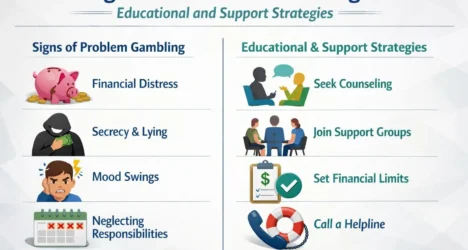


Gambling pops up in nearly every part of the world, but honestly, the risks don’t always get the attention they deserve. Gambling addiction can impact millions of people and their families, so organizations everywhere work hard to prevent harm and encourage healthy gambling habits.
Responsible gambling organizations act as independent authorities to reduce gambling-related harm. They run prevention programs, offer player protection tools, and create evidence-based policies that really matter. Groups like the Responsible Gambling Council and the ICRG have spent years building frameworks for both operators and regulators.
These organizations also offer resources for anyone who wants to gamble safely. Gaming companies can turn to them for accreditation and training, which helps keep standards high. Honestly, these services play a huge role in supporting healthy gambling around the world.
Knowing what these organizations do—and how they can support you—makes it easier to find help if you ever need it. I’ve put together this guide to highlight the groups leading responsible gambling efforts worldwide and the resources they offer.
Key Takeaways
-
Responsible gambling organizations offer free resources, help, and educational programs to prevent gambling harm globally.
-
They set standards and run accreditation programs so operators and regulators can better protect players.
-
Resources include self-assessment tools, youth education, and ways to raise awareness and prevent problem gambling.
Understanding Responsible Gambling and Its Global Importance
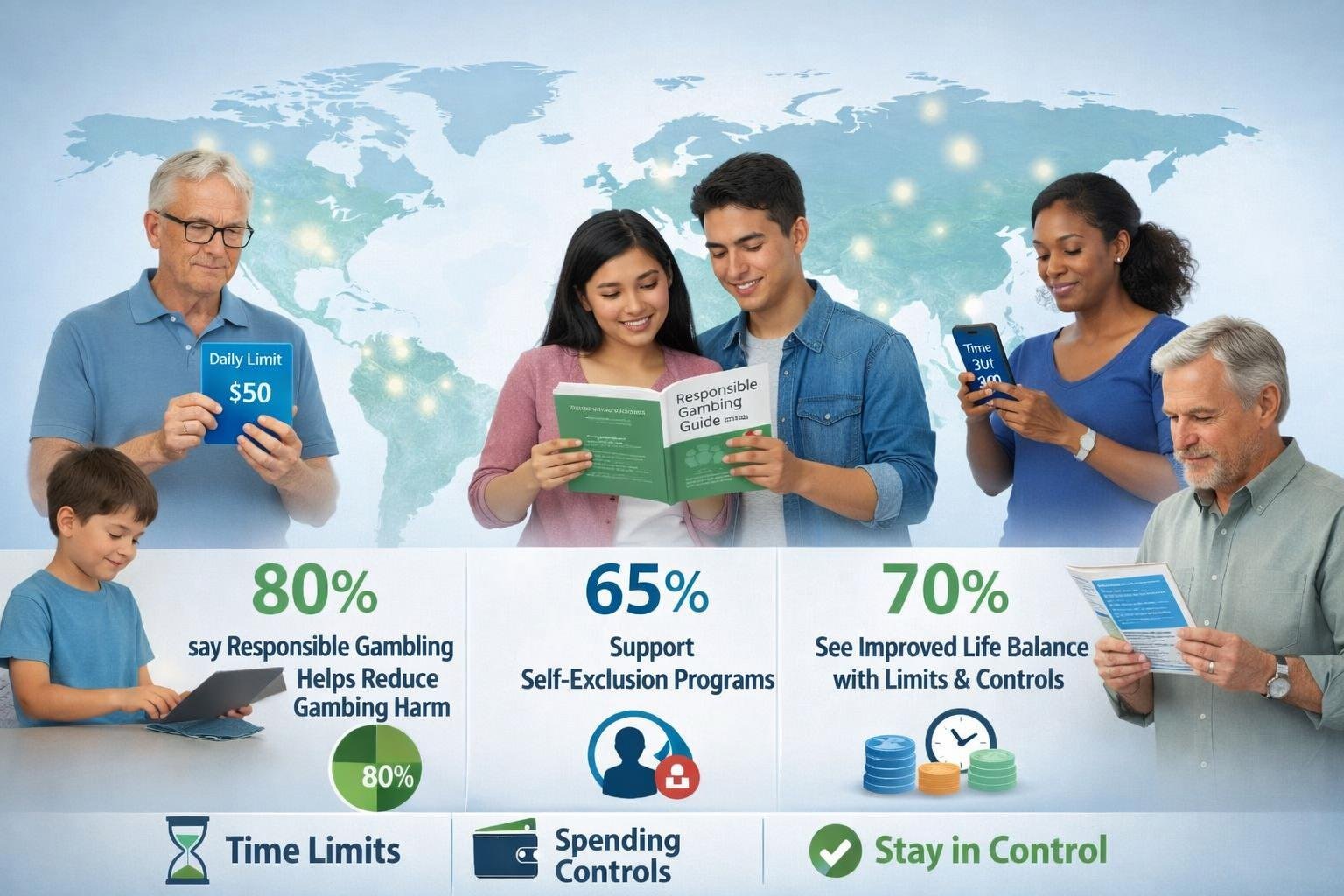
Responsible gambling is about keeping gambling fun and safe. It means using specific practices and policies to reduce harm to both individuals and communities. Organizations worldwide have started to view gambling as a public health concern, and that’s not an exaggeration—it really does need action across borders and industries.
Definition of Responsible Gambling and Key Concepts
When I talk about responsible gambling, I’m referring to habits and tools that help people enjoy gambling while keeping the risks in check. It’s a shared effort—players and operators both play a part in preventing problems before they even start. Reaching out for gambling help early is a healthy habit, not a sign of weakness.
Key aspects include giving players clear info about risks and practical ways to control their gambling. Operators need to step up by offering tools like deposit limits, time reminders, and self-exclusion options that are easy to use.
Responsible gaming also means blocking underage gambling with age checks. The real goal is to keep gambling as entertainment, not something that spirals into financial or emotional harm.
I try to emphasize education and awareness here. It’s important to understand things like odds and house edge—the reality is, gambling always favors the operator in the long run. Knowing this can help reduce stigma and encourage healthy habits.
Risks of Problem Gambling and Societal Impact
Problem gambling affects millions and can lead to some pretty serious consequences. I see addiction as a behavioral health issue that can wreck finances, strain families, and even lead to job loss or mental health struggles like depression and anxiety.
The World Health Organization has started coordinating experts to treat gambling as a public health issue. This matters because the harm goes beyond just the person gambling—it can hit families, workplaces, and entire communities through things like debt and increased need for social support.
Financial harm stands out as one of the most visible impacts. People struggling with gambling often rack up debt, drain savings, and sometimes borrow money they can’t pay back. The emotional toll—shame, hopelessness—can keep folks from seeking help.
Stigma is still a massive barrier. Too many people hide their struggles for years out of embarrassment or the belief they should just “fix it” themselves. If you notice you’re feeling this way, please know support is available and you’re not alone.
Importance of International Collaboration in Safer Gambling
Tackling gambling harm really does take teamwork. No single group can solve this alone, which is why partnerships between researchers, regulators, operators, and health organizations are so crucial.
Organizations like the Responsible Gambling Council and the International Center for Responsible Gaming show how much collaboration matters. They share research, set best practices, and create standards that work across different countries and regulatory systems.
International cooperation helps solve problems that don’t stop at borders. Online gambling is global, so protection measures need to be consistent too. When groups share what works, they can come up with real solutions and spread them more widely.
I’ve seen this collective approach turn research into practical programs. Scientists figure out what works, and then practitioners roll out those findings through awareness campaigns, treatment options, and industry standards that actually protect players.
Evolving Trends in Online Gambling and Player Protection
The rise of online gambling has really changed the landscape. Now, people can gamble any time, anywhere, which can make it easier to lose track and develop problems.
Modern platforms can now track behavior in real time and spot warning signs early. Tools like reality checks, session limits, and cool-off periods can help players stay in control.
Technology also means better age verification. Advanced systems do a better job of keeping underage players out, though there’s always a balance between security and convenience.
Advertising and promotion have exploded online. That constant exposure can normalize gambling or trigger relapses for those trying to stop. Regulators are starting to focus more on limiting ads, especially those aimed at vulnerable groups.
Major Responsible Gambling Organizations and Their Global Initiatives
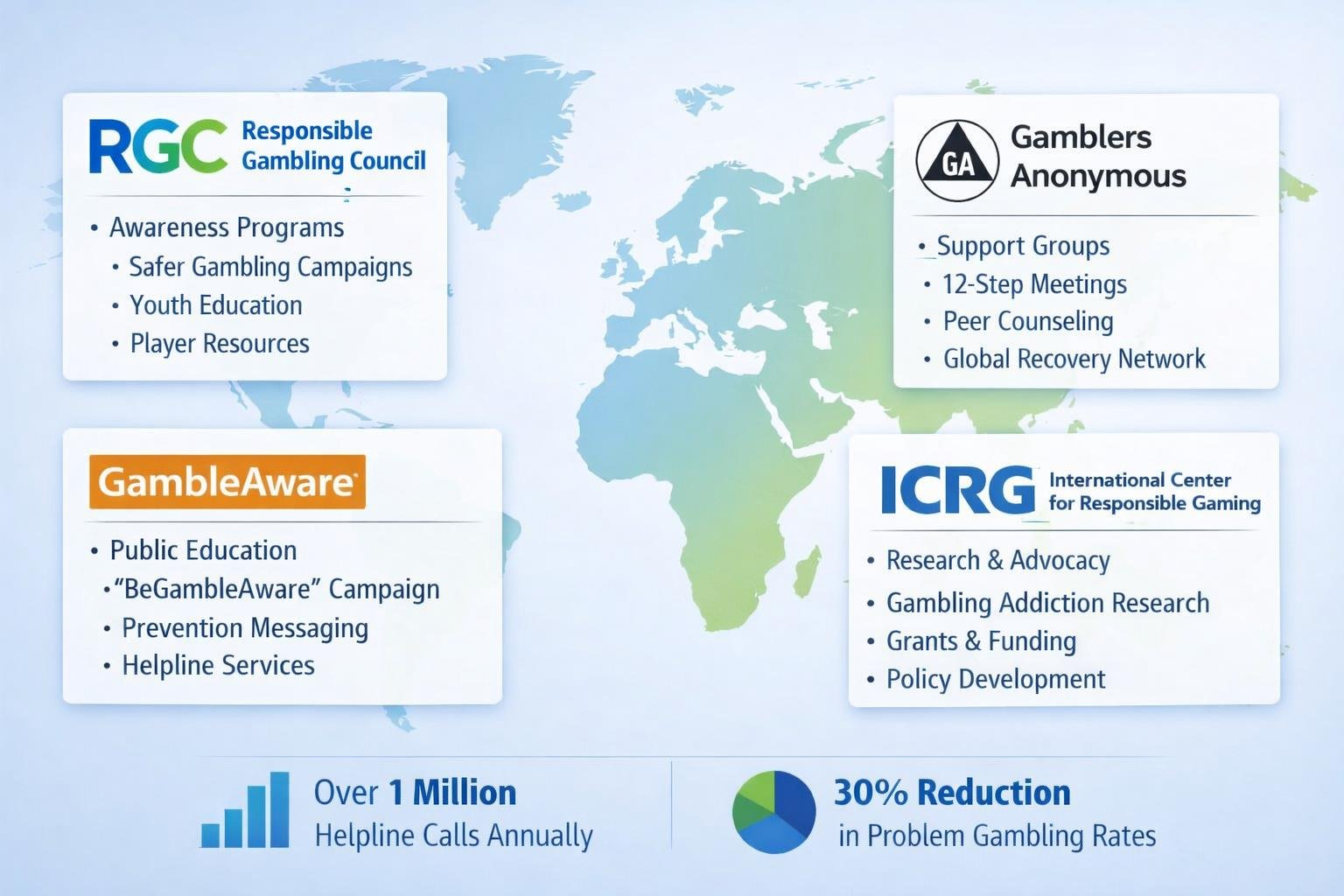
Several organizations are at the forefront of preventing gambling harm. They run accreditation programs, fund research, offer helplines, and create educational initiatives. These groups operate at international, national, and regional levels to set safety standards and provide support to those who need it.
Key International Responsible Gambling Organizations
The Responsible Gambling Council (RGC) stands out globally. This guide aims to be a resource for anyone looking for responsible gambling organizations worldwide. RGC works with the NCPG to share knowledge on problem gambling prevention, and in 2026, RGC and the ICRG joined forces to boost research, education, and policy efforts. RGC also offers advisory services and RG Check accreditation to help operators and regulators build solid responsible gambling programs.
The International Center for Responsible Gaming (ICRG) has supported essential research on gambling disorder since 1996. Their mission is to help individuals and families through scientific research and practical educational programs.
The Gambling Research Exchange Ontario (GREO) provides valuable research and data for harm prevention. These organizations often collaborate to set industry-wide standards and share findings across borders.
Role of National Councils and Regional Support Networks
The National Council on Problem Gambling (NCPG) promotes responsible gambling principles across the United States. They offer resources for operators, regulators, and advocates, and run the National Problem Gambling Helpline Network at 1-800-MY-RESET, available 24/7. The NCPG leads national advocacy and public awareness efforts to connect people with local resources and treatment providers. These programs make a real difference at the national level.
In the UK, GamCare runs the National Gambling Helpline and offers vital support for those affected by gambling harm. They also provide help for young people and families. GambleAware funds education, prevention, and treatment across Britain. These groups work closely with regional networks to make sure help reaches local communities and vulnerable players.
Many countries have their own problem gambling councils that adapt international best practices for local needs. In Europe, the CEN has set voluntary standards for online gambling services, ensuring a high level of consumer protection. The European Committee for Standardization (CEN) helps keep player protection tools consistent. Alberta’s iGaming Corporation recently made RG Check accreditation mandatory for all internet gaming sites, which lines up with international best practices. Moves like this keep player safety at the forefront, especially online.
Notable Tools, Standards, and Certifications
RG Check is a top accreditation program in the industry. It helps gambling operators measure and improve their responsible gambling efforts.
GamStop is a free UK service that lets people self-exclude from all licensed online gambling sites. BetBlocker is another free tool that blocks gambling websites and apps on multiple devices.
Gaming Laboratories International (GLI) offers responsible gaming certification services. They help operators build policies and achieve RG certification through structured programs.
I’ve noticed these tools cover different bases: accreditation checks if operators follow the rules, self-exclusion puts control in the player’s hands, and blocking software offers an extra layer of protection.
Collaborative Research, Education, and Prevention Efforts
RGC launched “Beyond the Game,” a free training module for educators and coaches working with grade 11-12 student athletes. This program teaches youth about gambling risks and healthy choices. They’ve also created resources for teens and young adults.
Gambling Therapy offers online support and counseling for people worldwide. Their platform connects individuals with trained advisors and peer support networks—sometimes just talking to someone who understands can make all the difference.
Partnerships between ICRG, RGC, and academic institutions drive research into addiction causes and prevention. They share findings at conferences, which helps everyone stay on top of new ideas in harm prevention.
Educational programs for parents and operators are key for increasing problem gambling awareness. Groups like GamCare train industry professionals to spot early warning signs and guide people toward help. The NCPG has toolkits for businesses to support workplace wellness and address gambling harm among employees. With clear guidelines, employers can foster a healthier environment for everyone.
Best Practices, Tools, and Standards for Player Protection
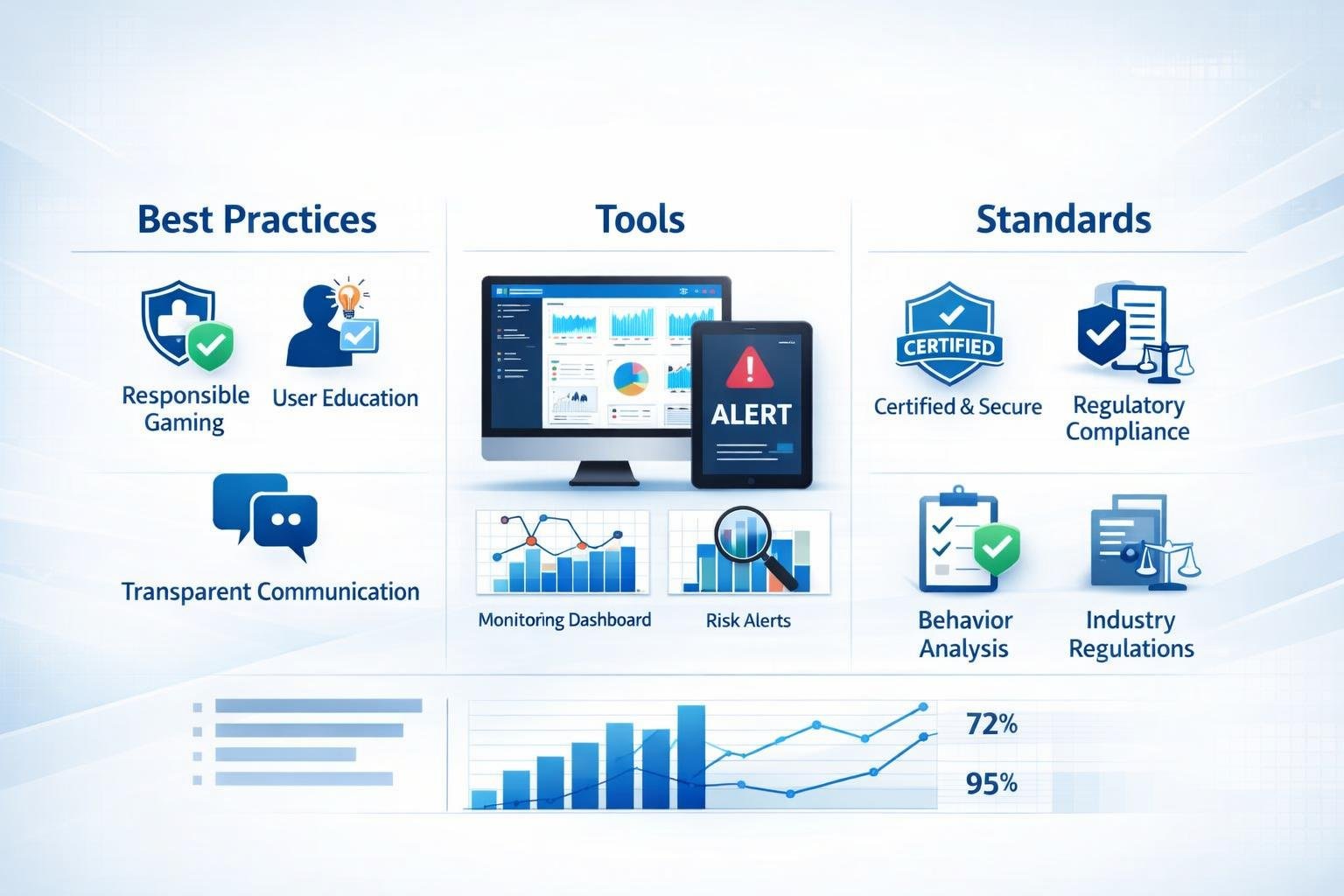
Player protection depends on real tools like deposit and loss limits, clear frameworks for operators, and preventive programs such as self-exclusion systems. These standards apply to all kinds of gambling—online, in-person, lotteries—to help keep harm in check.
Implementation of Responsible Gambling Tools and Features
Operators now build in specific tools to help players manage their gambling. Deposit limits let players cap how much they add to their accounts daily, weekly, or monthly. Loss limits work the same way, but for how much can be lost over a set period.
Time limits and reality checks break up play at intervals, reminding players how long they’ve been gambling and what they’ve spent. Many platforms now ask players to set these limits when they sign up, rather than making them optional extras.
Session timers can automatically log players out after a certain period. Cool-off periods let players pause their accounts for anywhere from 24 hours to several weeks. Responsible gambling tools also include activity statements that show a player’s full gambling history, spending, and wins or losses.
In my experience, these tools work best when they’re easy to find and use. They should be front and center in account settings and during play—not buried in menus. Some places even require operators to offer these tools as part of their license, which is a positive step for player safety.
Frameworks, Codes of Conduct, and Responsible Marketing
Responsible gaming frameworks set the standards for how gambling operators should run their businesses. The RG3P Framework, for example, aims to prevent harm on a global scale.
Organizations like RGC run programs such as RG Check. Alberta now expects all internet gaming sites entering its regulated market to complete this accreditation.
Responsible gambling codes of conduct shape how operators advertise and promote their services. These rules keep marketing away from minors and vulnerable groups.
They also ban any suggestion that gambling can fix financial problems or replace a job. It's important to avoid messages that could mislead or pressure people who may be struggling.
Responsible marketing standards require operators to clearly display odds and avoid advertising during shows aimed at kids. Many codes also restrict bonuses or promotions that might push people to play more than they planned.
Industry self-regulation often goes beyond what the law requires, which is a good sign. Still, it's always worth checking if marketing feels responsible and respectful to you as a player.
Training programs help staff spot the signs of problem gambling. Operators give responsible gambling resources to employees who interact with players—it's not just about policy, it's about people.
These frameworks also encourage partnerships with treatment providers. By connecting with experts, operators can offer real support to those who need it.
Preventive Strategies and Self-Exclusion Programs
Self-exclusion programs let people ban themselves from gambling venues or websites for a set period. This can range from six months to permanent exclusion.
Multi-operator exclusion databases make it harder for someone to just switch to another site within the same area. It's a layer of protection that covers more ground.
Preventive strategies include pre-commitment tools. These let players decide on their limits before they start gambling, which can really help keep things under control.
Risk assessment questionnaires flag potentially harmful behaviors early. Some operators use behavioral analytics to spot risky patterns and reach out before things get worse.
Player protection measures require everyone to verify their accounts, which helps stop underage gambling. Enhanced due diligence can identify when someone might be spending more than they can afford.
Cooling-off periods kick in automatically if a player shows concerning changes in their gambling behavior. It's a way to pause and reflect, which sometimes makes all the difference.
Lotteries and gambling operators are starting to share exclusion lists more often. This coordination keeps people from simply moving between platforms to avoid self-exclusion.
Treatment referral systems connect excluded players with counseling and support programs. Support is available, and reaching out is a healthy step—not a failure.
Addressing Barriers, Emerging Trends, and Future Directions
Stigma remains a major barrier for people who need help with gambling problems. At the same time, new technologies and regulatory ideas are opening up better options for prevention and support.
International cooperation in gambling regulation is tricky as markets keep expanding across borders. It's an ongoing challenge that needs creative solutions.
Reducing Stigma and Encouraging Help-Seeking
Stigma and shame often stop people from seeking help for gambling problems. Research suggests only a tiny fraction—about 0.14%—reach out for formal or informal support.
Sometimes, the focus on "responsible gambling" in industry messaging can make things worse. These campaigns might unintentionally make people feel like it's all their fault, increasing shame and keeping them from asking for help.
I've noticed that reducing stigma works best when public health messaging treats gambling disorder like any other health concern. It's important to remember gambling harm doesn't just affect the individual—it ripples out to families and relationships, too. The WHO estimates that for every person gambling at high-risk levels, six others feel the impact.
Healthcare providers and support services need to offer confidential, judgment-free help. Training staff to avoid stigmatizing language can make a real difference in creating safe spaces for people to open up.
Innovations in Problem Gambling Prevention
New prevention tools aim to stop harm before it even starts. Universal account registration systems now require all gamblers to set limits on time and money before they can play.
Technology supports several harm prevention measures, including:
-
Mandatory pre-commitment tools that make sure spending limits are set and followed
-
Self-exclusion systems that let people ban themselves from platforms
-
Maximum bet sizes and built-in breaks during sessions
-
Real-time monitoring to spot high-risk gambling patterns as they happen
From what I've seen, mandatory systems work better than voluntary ones. People struggling with gambling often find it tough to stick to self-imposed limits, so having these systems in place really helps.
Some places are now limiting gambling ads and sponsorships in sports. Cutting back on promotional activities, especially those aimed at young people, makes gambling less normalized and easier to approach safely.
Global Regulation and Policy Challenges
International best practices for gambling regulation still differ a lot from country to country. Many governments rely on gambling tax revenue, which creates a real tension between public health and financial interests.
Unlicensed online gambling is a big problem. These operators cross borders and offer unregulated products, making it nearly impossible for one country to enforce rules alone. Real consumer protection needs countries to work together and share information.
Key regulatory challenges include:
-
Gambling industry pushback against tighter regulations
-
No global standards for online gambling
-
Industry influence on research and policy-making
-
Fast growth in low and middle-income countries with weak regulatory systems
Low and middle-income regions face unique risks as smartphones make gambling more accessible. These places often lack strong rules while commercial gambling grows fast. The WHO is working to collect and share what works in gambling regulation so countries building new frameworks can learn from others' experiences.
Frequently Asked Questions
Responsible gambling organizations offer practical tools and support to help people make informed choices about their gambling. They also work directly with the gaming industry to set standards and measure how well prevention efforts are working.
What resources do responsible gambling organizations provide to prevent addiction?
Responsible gambling organizations share educational materials to help people spot warning signs of problem gambling. These include self-assessment tools and training programs for different age groups.
Many organizations run helplines and connect people to counseling services. The National Gambling Helpline (1-800-MY-RESET) is a great resource for anyone who needs immediate support. The Responsible Gambling Council also creates resources just for youth, with programs tailored for teens and young adults. These groups face their own unique risks and deserve specialized support.
Training programs also reach educators, coaches, and industry staff. The RGC's "Beyond the Game" module helps teachers and coaches talk with grade 11-12 student athletes about gambling risks and making healthy choices.
How do casinos implement responsible gaming policies effectively?
Casinos work with accreditation programs like RG Check to set responsible gambling standards. In Alberta, all new internet gaming sites need this accreditation to operate legally.
I've seen gambling operators team up with responsible gambling councils to build strong prevention programs. These partnerships help operators weave safeguards into everyday operations and staff training.
The Responsible Gambling Council offers consultancy and guidance, giving operators access to global research and best practices. This support helps them create better responsible gambling programs for everyone.
Which tools are available to promote responsible gambling habits among players?
Self-exclusion programs let players voluntarily ban themselves from gambling venues or websites for a chosen period. Many places now require licensed operators to offer these options.
Deposit limits allow players to set daily, weekly, or monthly caps on how much they can put into their accounts. Time limit tools help people keep track of their gambling sessions and set healthy boundaries.
Reality check features send reminders about how long someone has been playing. Some platforms also provide activity statements so players can see their gambling history and spending patterns at a glance.
Can mobile apps aid in maintaining responsible gaming practices?
Mobile apps make it easy to access self-monitoring tools. Players can track their gambling behavior, get alerts when they're close to their limits, or when they've been playing for a long time.
In my experience, mobile technology puts support resources right at your fingertips. Many responsible gambling organizations now offer content and tools designed for smartphone users, which makes help more accessible than ever.
Some apps include educational info about odds and the risks of different games. Players can use these resources to make smarter, more informed choices about their play.
What measures do responsible gambling councils take to ensure industry compliance?
Responsible gambling councils set accreditation criteria that operators must meet to show they're serious about harm prevention. The RG Check program, for example, outlines clear standards for internet gaming sites and other operators.
Regular audits and assessments check that accredited organizations are sticking to their responsible gambling plans. Councils also offer ongoing advice to help operators stay up-to-date with new research and evolving standards.
The Responsible Gambling Council works with regulators to promote safer gambling practices in different areas. These partnerships help make sure responsible gambling requirements are included in licensing and oversight from the start.
How is the effectiveness of responsible gambling initiatives evaluated?
Researchers look at how prevention programs actually influence gambling habits and help reduce harm. Groups like the International Center for Responsible Gaming often fund these studies, digging into gambling disorder and testing out different intervention strategies.
Responsible gambling organizations also track things like National Gambling Helpline calls and how many people sign up for self-exclusion. That kind of data is important—it gives a clearer picture of what’s working, and for whom.
Collaboration between research institutions and gambling councils often leads to fresh insights about how gambling affects people and communities. For example, the Responsible Gambling Council and the International Center for Responsible Gaming have teamed up to boost harm prevention research on a global scale.
By working together, these organizations can create better evidence-based programs and fine-tune the strategies already in place. It’s important to keep learning and adapting, so support stays relevant and genuinely helpful for everyone.