

The online gambling industry has expanded significantly over the last 20 years. This growth created a clear need for organized representation among remote gambling companies.
The Remote Gambling Association (RGA) operated as the world’s largest association of remote gambling operators until 2019. It merged with other industry bodies to form the Betting & Gaming Council (BGC), but its influence hasn’t faded.
Founded in August 2005 after two organizations joined forces, the RGA represented many of the UK and EEA member states’ largest gambling companies.
It acted as a leading gambling and betting association, working to set fair standards across the sector. The group came together by merging ARGO and IGGBA.
This overview covers what the RGA did and why its legacy still matters for gambling operators and players. The group focused on three main priorities: representing industry interests to government, promoting responsible interactive gaming, and updating members on regulatory changes.
The RGA’s work continues to affect anyone using online casinos, betting apps, or other remote gambling services. It set standards for age verification and challenged discriminatory laws, shaping today’s online gambling environment.
Key Takeaways
-
The Remote Gambling Association represented licensed online gambling operators and software providers, mainly in the UK and EEA member states.
-
The RGA set responsible gambling standards and required members to follow codes of conduct on social responsibility and age verification.
-
The group advocated for fair regulations and worked toward a unified gambling market across European jurisdictions.
Overview of the Remote Gambling Association

The Remote Gambling Association (RGA) formed in 2005 to represent online gambling operators in the UK and EEA member states. For over a decade, it acted as the main voice for the industry in talks with regulators and lawmakers.
History and Formation
The RGA officially launched on August 1, 2005, after the Association of Remote Gambling Operators (ARGO) and IGGBA merged. This unified approach gave the industry more influence in European Economic Area policy discussions.
Software pioneers like Cryptologic had already begun setting up secure wagering systems by then. These platforms allowed online gaming operators to offer safer services for customers.
By merging, the industry gained a single voice instead of competing messages. The RGA gave operators more leverage in talks with government officials and regulators.
In July 2019, the RGA merged with the Association of British Bookmakers and the National Casino Forum to create the Betting & Gaming Council (BGC). This move consolidated representation for the UK’s gambling sector. Major operators such as 888 were active in this transition.
Today, new groups like the Responsible Online Gaming Association (ROGA) continue collaborative work. ROGA focuses on data-driven player protection for online gambling operators.
Mission and Objectives
The RGA aimed to represent remote gambling operators in the UK and EEA. It spoke for its members with regulators, legislators, and other decision-makers.
One central goal was to ensure a regulated and fair environment that protected player interests. The association supported responsible operators and pushed for non-discriminatory rules for licensed companies.
The RGA handled group negotiations with trade unions and industry groups. This approach gave smaller operators bargaining power equal to larger companies.
The group also stressed responsible gambling. Members had to follow codes of practice for problem gambling and underage gambling, mandatory since January 2006.
Membership Structure
The RGA was the world’s largest online gambling trade association. Its members included licensed and publicly listed remote gambling operators and software providers.
All members needed valid licenses in the UK and EEA member states. Licensing often came from jurisdictions like the Channel Islands or Isle of Man. This rule ensured only legal, regulated companies joined.
The association operated offices in London and Brussels. This location allowed direct work with both UK and EU regulators.
Members followed RGA codes of practice on social responsibility and age verification. These requirements, in place since January 2006, set out clear steps for preventing problem gambling and blocking minors from gambling sites.
Key Functions and Roles

The Remote Gambling Association focused on three main functions. It represented members in talks with regulators, set responsible gambling standards, and shaped policy across the UK and EEA.
Industry Representation and Advocacy
The RGA provided a unified voice for remote gambling operators. It handled collective negotiations with trade organizations, employers’ groups, government agencies, and media.
When disputes came up, the RGA supported operators through litigation. This included cases about the right to offer services in EEA member states and resolving regulatory conflicts.
Membership included licensed operators from across Europe, including the Channel Islands and Isle of Man. Both full and affiliate members benefited from the RGA’s advocacy, especially regarding legislation like the UIGEA.
Regulation and Standardization
The RGA set codes of practice that became mandatory for all members in January 2006. These rules covered social responsibility and age verification, and compliance was required to stay in the association.
The codes outlined how to prevent problem gambling and underage access. The RGA promoted high integrity standards for both member protection and public benefit.
Influence on International Policy

The RGA worked directly with the European Commission to support the free movement of gambling services. It aimed to let members in one EEA state legally promote services across others, following European law.
The association tracked proposed laws and kept governments informed about regulatory impacts. It kept open lines with regulators to balance commercial needs and protection for vulnerable groups.
Commitment to Responsible Gambling
The RGA made responsible gambling a priority by enforcing strict standards for player protection, advertising, and financial security. These included age verification, self-exclusion tools like GamStop, and anti-money laundering checks.
Responsible Gambling Standards
The RGA adopted standards based on industry best practices, such as CWA 16259. This European remote gambling standard emphasized player protection and responsible operations.
Operators monitored player behavior for signs of problem gambling. If patterns emerged, they had to step in with support resources. The standards also required clear info about odds and risks.
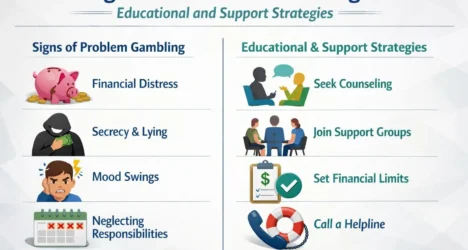
Members offered access to gambling support groups, including helplines. Staff received regular training to spot and respond to problem gambling indicators.
Player Protection Initiatives

Age verification stood out as a critical measure. Every RGA member had to verify that players were 18 or older before allowing gambling, using identity tech and database checks.
GamStop, the national self-exclusion system, allowed players to block themselves from all licensed UK gambling sites. Once registered, operators had to block those individuals across their platforms.
Deposit limits let players control their spending. Members offered daily, weekly, and monthly limits, helping people manage their gambling behavior.
Reality checks interrupted sessions at set intervals. These messages told players how long they’d been gambling and what they’d spent, prompting more informed decisions.
Responsible Advertising and Marketing
Advertising rules banned targeting vulnerable groups. Members couldn’t aim ads at minors or self-excluded individuals, and ads couldn’t present gambling as a fix for financial problems.
Marketing included responsible gambling messages and clear promo terms. The RGA banned ads during hours when children were likely watching TV and restricted advertising near schools.
Anti-Money Laundering Efforts
Anti-money laundering measures protected the industry from criminal activity. Members ran “Know Your Customer” (KYC) checks using government-issued IDs to verify identities.
High-value transactions triggered enhanced due diligence. Operators checked the source of large deposits and used monitoring systems to flag unusual patterns for financial authorities.
Members, Partners, and Industry Impact

The RGA united some of the UK and EEA’s largest licensed operators. It created value through industry representation and partnerships that strengthened the sector’s position.
Leading Member Operators and Software Providers
The RGA’s membership featured major operators licensed and listed in the UK and EEA, including William Hill, Ladbrokes, PartyGaming, 888, and Victor Chandler. Brands such as 888 helped promote the RGA’s standards globally.
William Hill and Ladbrokes played central roles in early standardization. Their participation helped set market-wide codes of conduct.
Software providers like Microgaming, Playtech, and Evolution acted as key technology partners. These companies worked with operators to establish industry standards for interactive gaming platforms.
Tech leaders such as Microgaming, Playtech, and Cryptologic developed important security frameworks. PartyGaming contributed to early software standards.
Full membership required proper licensing in specific jurisdictions. Companies that didn’t meet these criteria could join as Affiliate Members, though with limited support from the association.
Benefits for Online Gambling Companies
Member companies gained unified representation when dealing with government bodies and regulatory agencies.
The RGA negotiated for the entire industry, which increased collective bargaining power.
Legal support played a major role, especially around the right to offer remote gambling services across Europe.
The organization pushed for a uniform market so any licensed operator could provide services without facing discriminatory barriers.
Members accessed industry data and standards through a code of conduct.
This code set rules for underage gambling prevention, player protection, and responsible advertising.
Partnerships and Collaboration
The RGA worked directly with regulatory bodies to shape online gambling policy.
These partnerships aimed to create fair regulations that protected consumers and helped licensed operators compete.
Collaboration extended to advocacy, such as challenging discriminatory international practices.
The organization joined with other trade associations to promote integrity standards and social responsibility across the industry.