

Live casino streaming brings the buzz and atmosphere of a real casino right onto your screen. It does this through a web of advanced technology that works together in real time. This whole sector has shaken up game development by delivering high-fidelity live dealer games to players all over the world.
When I place a bet on a live blackjack table or watch the roulette wheel spin, I’m tapping into a network of systems capturing and sharing video and data with barely any lag. Game Control Units (GCUs), Optical Character Recognition (OCR), multi-camera HD setups, and robust content delivery networks all work together to broadcast real dealers and turn every shuffle, spin, or deal into digital data that pops up on your device in the blink of an eye.
This technology faces a tricky challenge. It needs to deliver crisp video and keep latency so low that your bets line up perfectly with the action at the table.
Studios use specialized hardware like GCUs to encode video, OCR software to read cards and dice, and streaming setups that adjust to your internet speed on the fly.
Once you understand what’s going on behind the scenes, you start to notice why some live casino platforms just feel smoother and more “real” than others. It usually comes down to how well the cameras, servers, and streaming tech all mesh together to bring that table to life on your phone or laptop.
Key Takeaways
-
GCUs, OCR, and multi-camera setups broadcast real dealers and turn every physical move into digital data you see instantly
-
Low-latency streaming keeps your bets perfectly in sync with the live action
-
Platform integration combines video encoding, adaptive streaming, and security to deliver smooth, secure gameplay on any device
Core Architecture of Live Casino Streaming
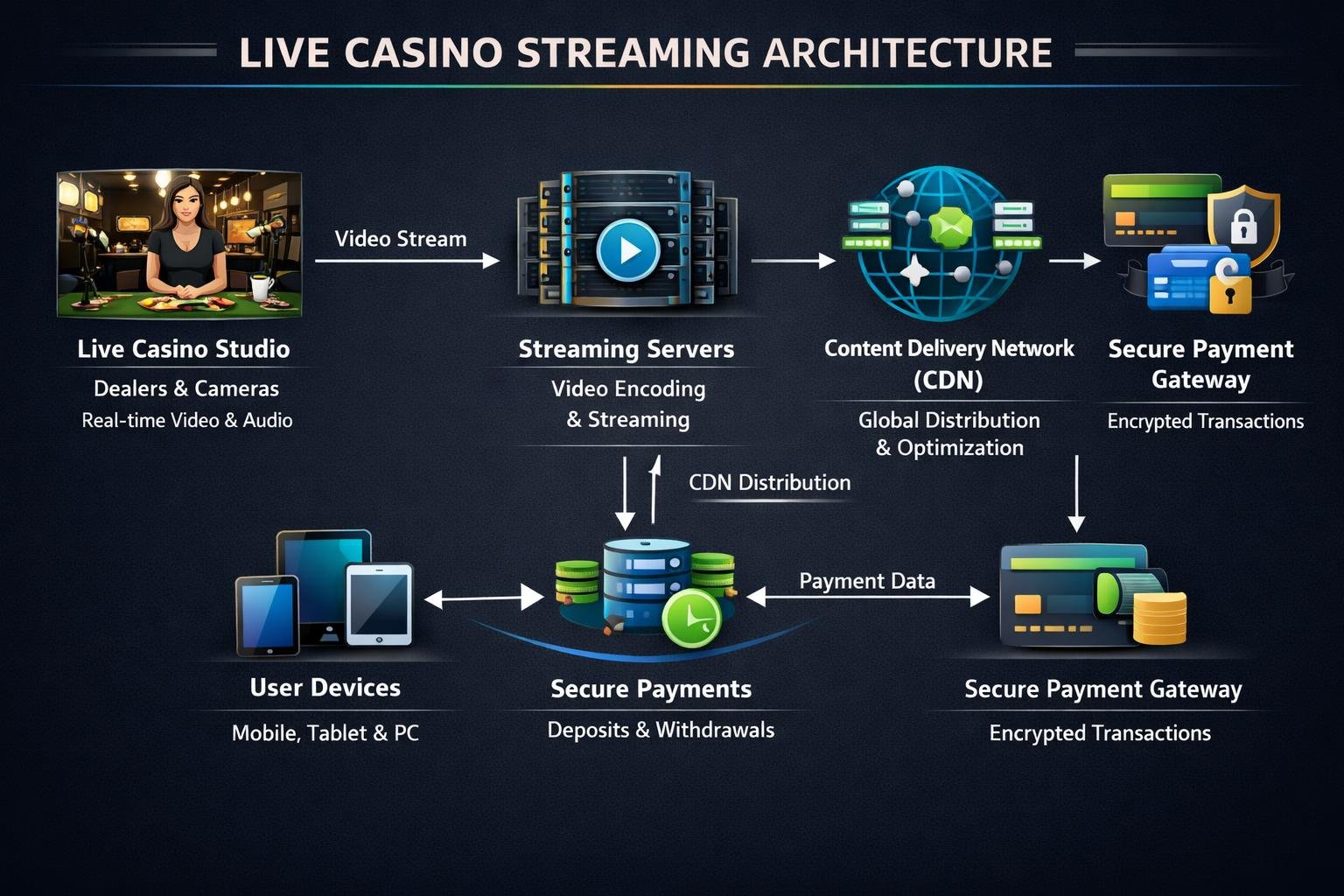
Behind every live casino game, you’ll find specialized studios, multi-angle camera systems, and, of course, those skilled human dealers running the show in real time. Together, they form the backbone of what makes live streaming feel so authentic and immersive.
Live Casino Studio Setup
Studios for live casino games don’t just mimic the look of a real casino—they’re designed for top-notch video production. In the igaming world, these studios serve as the nerve centers for high-performance streaming.
I’ve seen everything from cozy studios with just a couple tables to sprawling halls packed with 50 or more gaming stations. Most operators carefully plan their layouts with controlled lighting, soundproofing, and branded backdrops, so every stream looks sharp and consistent.
Roulette tables usually claim one corner, blackjack another, and those big game show setups like Crazy Time take up the most space, with their oversized wheels and bonus gear. Studio lights crank out a surprising amount of heat, so climate control is always running to keep dealers comfortable during those long shifts.
To avoid disaster, studios add backup power and internet connections. No one wants to get dropped mid-game, so you’ll often spot uninterruptible power supplies and even diesel generators humming quietly in the background.
Camera Systems and Studio Hardware
Multiple high-def cameras capture every angle of the action. Depending on the game, I see anywhere from three to seven cameras at each table.
Overhead cameras track cards or the roulette wheel, while others zoom in on the dealer’s face or give you a wide shot of the whole table. It’s all about making you feel like you’re right there, watching every move.
These camera feeds get sent to encoding boxes that compress the video in real time. Studios mostly use H.264 or H.265 codecs to keep the picture sharp without hogging bandwidth. OCR systems read the cards automatically, while GCUs translate every dealer action into digital data for the gaming platform.
Professional mics pick up the dealer’s voice, filtering out background chatter. LED lighting gets positioned just right—no shadows on the cards or chips, no blinding glare for anyone watching the stream.
Live Dealers and Dealer Training
Dealers don’t just walk in off the street. They go through weeks of training, learning everything from game rules and chip handling to how to interact with players through the camera and chat.
Most dealers work in shifts—usually 30 to 75 minutes at a table, then a break. They wear earpieces for instructions and juggle player requests from all over the world. It’s a unique skill set, needing both technical know-how and a warm, engaging personality.
Studios keep the standards high with strict appearance rules and regular performance checks. The best dealers bring a personal touch, making you feel welcome and keeping the energy up, even during slower moments.
Streaming Technology Infrastructure

Live casino streaming needs heavy-duty tech that balances crystal-clear video with real-time performance. The system juggles HD feeds from multiple cameras, all while keeping lag under half a second and adjusting to whatever internet speed you’re on.
Low-Latency and Adaptive Streaming
Low latency isn’t just nice to have—it’s essential. Players need to see the results pretty much instantly, or the magic is gone. If you’ve ever played a standard online game and watched the wheel spin for 20 seconds before seeing the outcome, you know what I mean.
Most top platforms use protocols like WebRTC or turbocharged versions of HLS to keep latency between 200 and 500 milliseconds. This speed lets you place bets and get confirmations while the dealer’s still shuffling or spinning. If the delay stretches past two seconds, you start to lose that live connection—it just doesn’t feel the same.
Adaptive bitrate streaming is another lifesaver. The system encodes the same video at different qualities, from 480p up to 4K. If your connection dips, the platform automatically drops the resolution to keep things smooth. No buffering, no frozen screens. The rise of 5G has really helped here, making high-quality streams much more reliable.
Content Delivery Networks and Scaling
Content delivery networks (CDNs) spread video streams across servers all over the globe. This setup shortens the distance between you and the action, cutting down on lag and keeping the stream crisp.
When I join a blackjack table from Brazil, I connect to a local server instead of one halfway across the world. That’s a huge difference—latency drops by more than half, and I never feel “far” from the game.
During busy times, like Saturday nights, platforms spin up extra servers to handle the rush. The CDN balances the load, so no single server gets overwhelmed. This way, thousands of players can join the same table, and the video quality doesn’t dip.
Encoding, Compression, and Bandwidth Requirements
Those HD cameras pump out massive amounts of raw video—way too much to stream directly. A single uncompressed 1080p feed at 60fps? That’s over 3 Gbps. No one’s home internet can handle that.
To solve this, platforms use H.264 or H.265 codecs, which shrink video by up to 99% while keeping it sharp. They strip out redundant info between frames, so you get a smooth stream at just 3-8 Mbps for HD and 10-15 Mbps for 4K.
Here’s a quick look at what kind of internet you’ll need for each quality:
|
Quality Level |
Typical Bitrate |
Minimum Connection Speed |
|---|---|---|
|
480p |
1-2 Mbps |
3 Mbps |
|
720p |
2-4 Mbps |
5 Mbps |
|
1080p |
4-8 Mbps |
10 Mbps |
|
4K |
10-15 Mbps |
20 Mbps |
As a player, you need a steady connection at these speeds to avoid annoying buffering. The studio’s hardware compresses and encodes the video in real time, adding only a tiny bit of extra lag—usually just 50 to 100 milliseconds if everything’s dialed in.
Interactive Features and Game Control
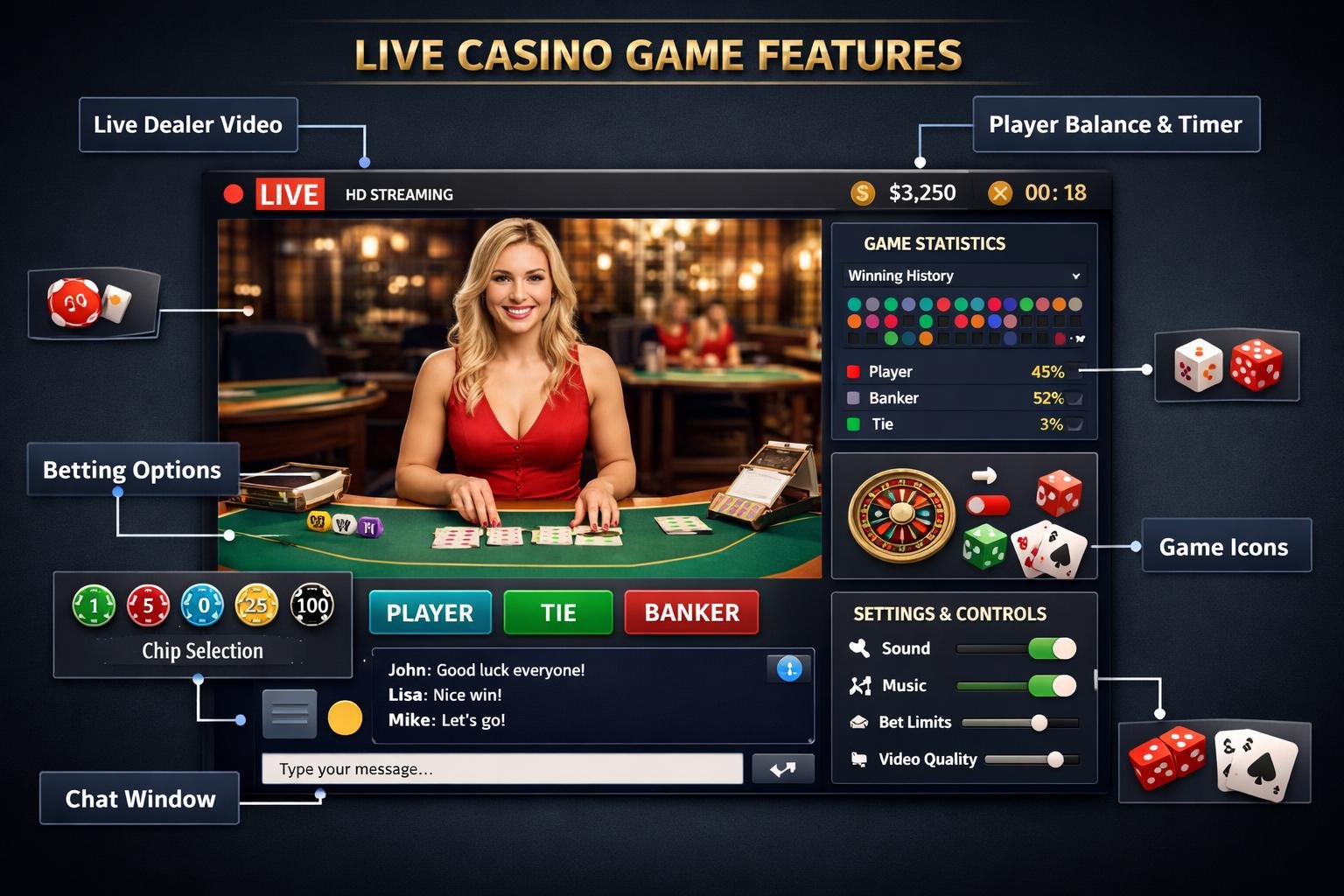
Live casino streaming isn’t just about watching—it’s about joining in. Several systems work together to manage your bets, convert every dealer move into digital data, and let you chat or interact in real time. That’s what gives live games their social spark and keeps me coming back.
Betting Interface and Player Interaction
The betting interface is where I make my moves—placing bets, adjusting stakes, checking stats. It’s got to be lightning fast and easy to use, or the whole experience falls flat.
Most sites overlay the betting controls right on the video. I can click or tap where I want to bet, tweak my stake, and lock it in without ever losing sight of the action. There’s usually a panel showing my bet history and outcomes, too. The timing is tight—betting windows open and close quickly, and everything’s synchronized worldwide so no one gets left behind.
The real magic, though, is in the live chat. I can send messages straight to the dealer, and they’ll answer me between hands or spins. Sometimes you get a dealer who cracks a joke or remembers your username from last week—it’s those little moments that make the game feel alive. The chat community adds a layer of camaraderie and banter that you’ll never find in standard digital games.
Platforms track how long I play, how often I bet, and what games I like. Operators use this info to tailor bonus offers and make the experience feel personal. It’s a bit like having a host at a real casino who remembers your favorite drink.
Game Control Units and Sensor Integration
Each table has its own GCU—think of it as the brain that encodes and sends out the video stream. The GCU keeps everything in sync, so what you see lines up perfectly with what the dealer’s doing.
Multiple cameras feed into the GCU, capturing every angle. The GCU compresses the footage and pushes it to the streaming servers with barely any delay—usually under half a second.
On top of that, gaming equipment is loaded with sensors. Roulette wheels have sensors to track where the ball lands, and card shoes often use RFID chips to read each card as it’s dealt. All this info goes straight into the system for instant verification, so you know the results are legit and immediate.
Optical Character Recognition and Data Capture
Optical character recognition (OCR) technology brings the table to life by converting real cards, dice, and wheels into digital info right on your screen. OCR cameras keep watch over the gaming surface, picking up every card flip, dice toss, and spin result the moment they happen.
High-resolution cameras zoom in on the table’s action zones. When a dealer reveals cards or the roulette ball lands, the OCR software jumps in and identifies the outcome almost instantly.
This data capture happens automatically, so dealers can focus on running the game and interacting with players. The recognized results pop up as overlays—showing you exactly which cards hit the felt or what number just won.
Professional live casino setups boast OCR accuracy rates above 99.5%, and backup systems quietly double-check things behind the scenes.
The system also saves a digital record of every round. If you’re the type who likes to review hands or double-check a result, you’ll appreciate that extra transparency.
User Interface and Mobile Optimization
Mobile optimization is a game-changer for anyone who prefers a smartphone or tablet. The interface smartly adapts—betting controls, video size, and chat all shift to fit your screen without losing the vibe.
Responsive design reshuffles the layout depending on your device’s orientation. In portrait mode, the video sits up top with betting controls underneath. Flip to landscape, and you get a wider, more immersive view—almost like stretching out at a real table.
Touch-optimized interfaces ditch hover actions for tap and swipe gestures. You can drag chips to the felt, pinch to zoom in on the action, or swipe between tables with a flick of your finger.
Bigger buttons help avoid those dreaded accidental taps, especially when the action heats up. Network optimization keeps things smooth, adjusting streaming quality automatically if your signal drops. There’s nothing worse than buffering in the middle of a hot streak, right?
Platform Integration, Security, and Regulatory Compliance
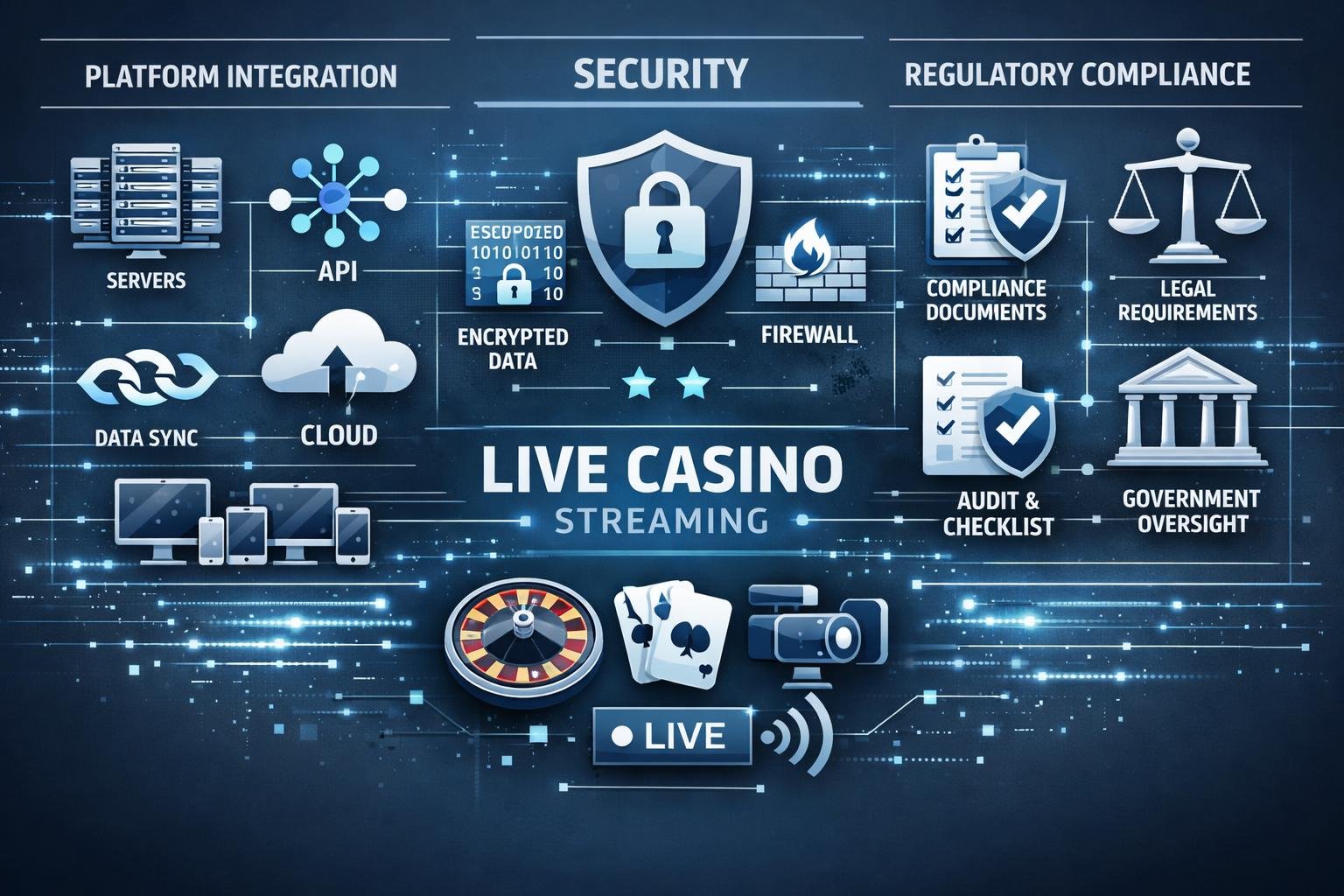
Live casino streaming isn’t just about cameras and cards—it’s about seamless connections between game providers and casino platforms, all while keeping things secure and above board. APIs, encryption, compliance, and even futuristic tech like AI and VR all play their part in shaping the experience.
API Integration With Casino Platforms
Game providers hook into online casino platforms using APIs. These bridges connect external game servers with the casino’s wallet, player accounts, and reporting tools—making sure everything runs in sync.
Operators often use aggregation layers to bring in multiple providers through a single connection. It’s a smart move, letting casinos offer tables from names like Pragmatic Play Live without building a new pipeline for each one.
The API typically handles:
-
Player authentication – Verifying who’s at the table and managing sessions
-
Wallet transactions – Instantly updating balances and settling bets
-
Game state – Keeping game rounds and player actions in sync
-
Reporting data – Tracking wins, losses, and player activity
Most live casino APIs fire back results in milliseconds. Latency usually sits between 200-800ms, so the game feels as real-time as it gets online.
Encryption, Compliance, and Game Integrity
All data zipping between players, streaming servers, and casino platforms travels under heavy encryption. I always look for TLS 1.3 or better to keep financials and personal info safe.
Game integrity systems make sure what you see matches what happened at the table. OCR reads cards and wheel results in real time, while the software double-checks everything against the video feed.
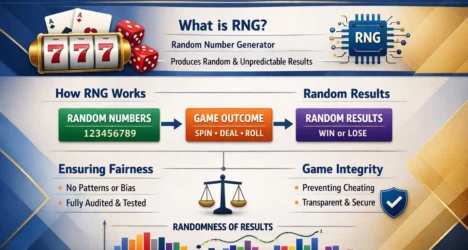
This creates a clear, auditable chain from the dealer’s hands to your screen. Some live games—like Lightning Roulette’s multipliers—use certified RNGs, and those get tested by approved labs to make sure everything’s above board.
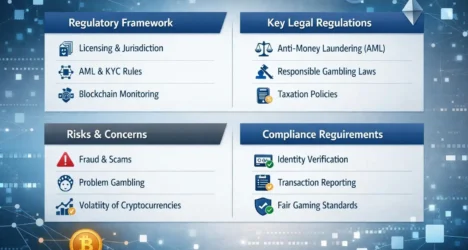
Compliance rules vary by region, but you’ll usually see requirements like:
-
Player identity checks (KYC)
-
Geolocation verification
-
Responsible gambling tools
-
Anti-money laundering protocols
Reporting, Audit Logs, and Regulatory Requirements
Audit logs track every move, from player bets and dealer shifts to technical hiccups. These records have to be tamper-proof and stick around for years—sometimes up to a decade, depending on where you play.
The system logs timestamps, player IDs, bets, outcomes, and transaction details. Regulators can pull this data during audits to make sure everything’s fair and legal.
Reporting tools spit out daily, weekly, and monthly summaries—covering game performance, GGR, player counts, and uptime. Operators rely on these numbers for both compliance and business insights.
Emerging Technologies: AI, VR, and Blockchain
AI is making waves by scanning gameplay patterns for fraud and signs of problem gambling. These systems watch thousands of players at once, flagging anything suspicious for a real person to check out.
Looking ahead, VR could take live dealer games to the next level. Imagine slipping on a headset and sitting at a virtual table, chatting with a real dealer as if you’re right there—almost spooky how real it feels. High-speed 5G makes streaming 360-degree video possible, but we’ll see how fast people adopt the hardware.
Blockchain adds another layer of trust by recording game history on public ledgers. Some casinos use it to let players verify outcomes themselves, and smart contracts can automate payouts for even faster settlements.
AR overlays game info onto your physical space through your phone. I’ve seen some early AR casino apps that let you view live tables in your living room, though honestly, this tech still feels a bit experimental for now.