When you sign up at an online casino, you’re handing over your money and personal information. That’s a big step, and it’s important to feel confident about where you’re playing.
A casino license is a legal permit that proves the operator has met strict rules for fairness, security, and player protection set by a government or official regulator.
This whole licensing thing can be confusing, especially if you’re just starting out. Some casinos show off their license badges at the bottom of their websites, while others don’t display anything at all.
That difference matters. Licensed casinos have to follow rules that protect you from unfair games, delayed payments, or even data breaches. But not every license offers the same level of safety.
Key Takeaways
-
Casino licenses mean an operator follows official rules for fair gaming and player safety.
-
Licensed casinos meet security standards that protect your money and personal data from fraud.
-
Different licensing authorities have different requirements, so some licenses offer stronger protections than others.
How Casino Licensing Builds Player Trust

Casino licenses help build trust by showing that gambling sites stick to strict rules and look out for players. Regulatory bodies check operators thoroughly before giving them approval.
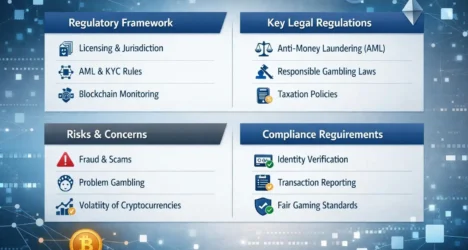
They enforce anti-money laundering (AML) policies and know-your-customer (KYC) checks to keep things safe. Regulators keep monitoring to make sure standards don’t slip.
What Is a Casino License?
A casino license is an official permit that lets a gambling site operate legally. I like to think of it as a stamp of approval from gambling authorities after a casino passes some tough tests.
Without a license, online casinos can’t work with big payment providers or appear in app stores. The license means the operator meets basic standards like fair games, AML rules, and offers responsible gambling tools.
Different countries issue different types of licenses. Some only cover sports betting, while others allow casino games or poker too.
The license type tells you exactly what a platform can legally offer. For Irish iGaming, specific licenses make sure both the operator and the player get protection under local laws.
Most platforms show their license number at the bottom of the website. You can click these badges to check if the license is real. It’s a smart move to double-check the regulator’s database for extra peace of mind.
Role of Gambling Authorities and Regulators
Gambling authorities set and enforce the rules that licensed casinos must follow. The UKGC (UK Gambling Commission) is famous for strict oversight and regular compliance checks.
They ask for detailed financial records and run game fairness audits. The Malta Gaming Authority focuses on player protection but keeps requirements reasonable for operators. Malta licenses are respected across Europe and beyond.
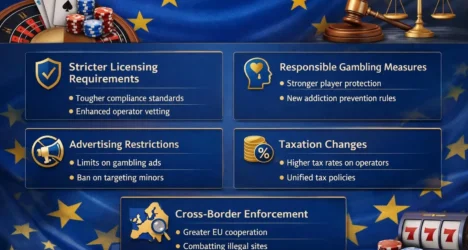
Ireland recently introduced new iGaming regulations. This means every online casino must follow local laws, giving players more protection and clarity about who’s looking out for them.
Regulators can fine operators, suspend licenses, or ban companies that break the rules. They keep public lists of blacklisted sites. Some, like the UKGC, even publish annual reports showing complaint numbers and which operators got penalized.
When I see a casino licensed by a strong regulator, I feel more confident there’s real accountability behind the scenes.
Transparency and Regulatory Compliance
Regulatory compliance means casinos actually follow all the rules their license requires. This covers regular audits, fair game testing, and clear terms and conditions.
Transparency shows up in ways like:
-
Published payout percentages so you know games pay fairly
-
Clear bonus terms without sneaky conditions
-
Fast, documented withdrawal processes
-
Visible responsible gambling tools like deposit limits
Licensed casinos keep player funds separate from business money. They use strong security protocols and pass regular audits to keep things above board.
Some casinos go the extra mile by publishing monthly compliance reports or linking to third-party fairness certificates. I always appreciate that kind of openness—it shows they’re serious about transparency.
You can verify licensing by looking for a license number, checking it with the regulator, and seeing which authority oversees the casino’s operations.
Security, Fairness, and Data Protection Standards
Licensed casinos have to meet strict standards for game fairness, data security, and player protection. This includes certified random number generators (RNG), strong encryption, and following international data protection laws.
Game Fairness: RNG, RTP, and Independent Audits
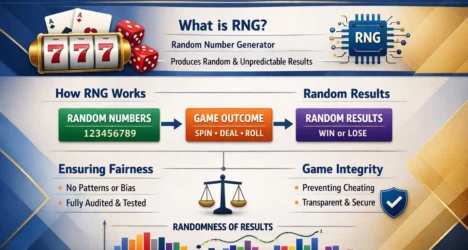
I always check if a casino uses certified RNGs before I play. RNG software creates unpredictable game outcomes, so results can’t be manipulated.
Licensed casinos only use RNG systems that independent testing labs have approved. RTP, or Return to Player, shows what percentage of wagered money a game pays back over time. Most licensed slots have RTPs between 94% and 98%.
Casinos with proper licenses display RTP info for each game, so you can make informed choices. Independent auditors like eCOGRA and iTech Labs test games regularly.
-
They check RNG certification and function
-
They confirm actual RTP matches advertised rates
-
They make sure there’s no software manipulation
-
They look for fair play across all games
These audits usually happen monthly or quarterly. You can often find audit certificates in the casino’s website footer.
Security Protocols: SSL, TLS, and Encryption
Licensed casinos use encryption to keep your data safe as it travels between your device and their servers. SSL and TLS scramble your info so hackers can’t read it.
I always look for the padlock icon in my browser’s address bar. That tells me SSL or TLS is active. Most trustworthy casinos use 128-bit or 256-bit encryption. Higher numbers mean better protection.
These protocols protect your login details, banking info, and personal data. Without them, criminals could steal passwords or credit card numbers while you’re online.
Data Security and Player Protection
Casinos store your personal info on secure servers with several protection layers, like firewalls and intrusion detection systems.
Licensed operators set up multi-factor authentication and KYC procedures to prevent unauthorized access. They also control who can view player data, which helps keep your identity safe.
Financial transactions go through secure payment processors. Good casinos never store full credit card numbers—they use tokenization, swapping sensitive info for random codes.
Compliance with Data Protection Laws
Licensed casinos must follow data protection laws in their operating regions. The GDPR (General Data Protection Regulation) sets strict rules for casinos serving European players.
Under GDPR, you have rights like:
-
Accessing your personal data
-
Requesting data deletion
-
Knowing how your info is used
-
Withdrawing consent for data processing
Casinos have to get your clear permission before collecting personal info, and can only use it for things like account verification or responsible gambling monitoring.
Licensed operators post detailed privacy policies that explain how they collect, store, and share data. If they break these rules, they risk big fines or losing their license.
Responsible Gambling and Consumer Care
Licensed casinos provide tools to help you control your gambling habits and offer support when you need it. Healthy habits include using deposit limits, self-exclusion programs, and reality checks. Good customer service should make player safety a top priority.
Responsible Gambling Tools and Resources
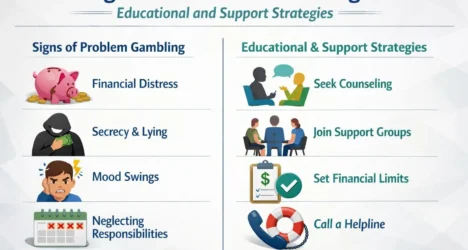
Legitimate sites offer a range of tools to help players stay in control. They usually partner with organizations like GamCare, which runs a National Gambling Helpline and live chat for immediate support.
GamCare also provides educational materials and support services for anyone who needs them. Licensed operators display helpline numbers clearly on their websites and apps, so you can reach out any time.
The responsible gambling section usually has info about recognizing problem gambling signs and where to get help. Licensed casinos make these tools easy to find, often putting links in the footer, account menus, and during sign-up. This helps players get support early, before things get out of hand.
Deposit Limits and Self-Exclusion
Deposit limits let you set daily, weekly, or monthly caps on how much you can add to your casino account. If you hit your limit, the system blocks further deposits until the next time period starts.
You can lower your limits right away, but increasing them usually takes 24-72 hours to prevent impulsive choices. Self-exclusion lets you block yourself from a casino for a set time or permanently. Once you self-exclude, the casino must stop you from logging in, sending marketing messages, or letting you gamble during that period.
Many places now use centralized self-exclusion databases. If you sign up for one casino’s program, you’re excluded from all licensed operators in that area. That helps prevent switching platforms to get around limits.
Reality Checks and Safe Play Features
Reality checks are timed notifications that remind you how long you’ve been playing and how much you’ve spent. You can usually set these alerts to pop up every 30, 60, or 90 minutes.
When a reality check appears, you’ll see:
-
Total time spent in the current session
-
Net wins or losses
-
Options to keep playing or take a break
-
Links to responsible gambling resources
Some platforms also have session limits that log you out after a certain time. You can set loss limits to stop play once you’ve lost a set amount. These features work together to help you stay aware of your gambling habits.
Transparent Communication and Customer Support
Licensed casinos offer clear, easy-to-find customer support channels. I expect live chat, email, and phone support to be available—ideally around the clock.
Good operators explain their policies, terms, and conditions in plain language. You shouldn’t have to decode legal jargon to understand wagering requirements or withdrawal processes.
Customer service reps at licensed casinos receive training in responsible gambling. If you reach out with concerns, they know how to guide you toward helpful tools and resources. Your wellbeing comes first, always.
Licensing Impact on Casino Games, Bonuses, and Operations
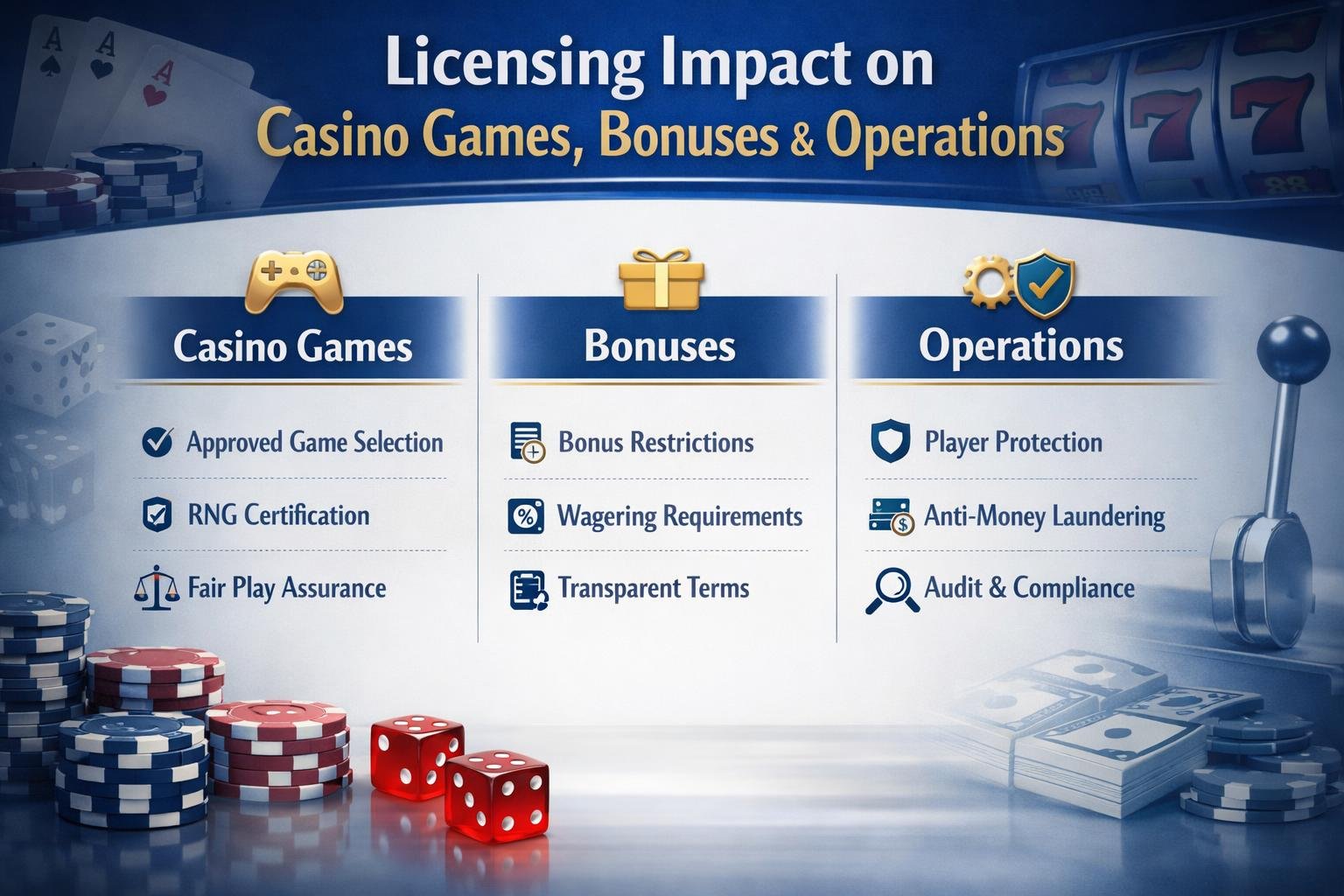
Licensed casinos follow strict rules that affect the games you play, the bonuses you get, and how smoothly deposits and withdrawals work. These requirements are there to protect you from unfair practices and keep standards consistent.
Fair Play for Slots and Table Games
When a casino holds a legitimate license, it has to meet specific fairness standards. Independent labs regularly test the Random Number Generators (RNGs) behind every slot and table game, making sure outcomes are random and unpredictable.
Game providers like NetEnt choose to work only with licensed operators. This helps protect players by keeping the math behind each game locked at certified, fair levels.
Licensed casinos also display Return to Player (RTP) percentages openly. For slots, you’ll usually see this ranging from 94% to 98%. Table games keep fixed odds, and changes require regulatory approval. This level of transparency gives you a chance to compare your options before you play.
Bonus Terms and Wagering Requirements
Licensing authorities set clear rules about casino promotions. Regulated sites have to state all bonus terms upfront—things like wagering requirements, game restrictions, and time limits.
That welcome bonus might look tempting at first, but licensing rules require casinos to explain exactly how many times you need to wager the bonus before you can withdraw. Most regulators ban hidden or unfair terms that would make bonuses impossible to clear.
Regulators check promotional offers to make sure they’re not misleading. If you see claims about “free money” or guaranteed wins, those are almost always against licensing standards. So, while the terms usually favor the house, licensed casino bonuses are at least structured in a fair, honest way.
Transparent Payment Methods and Welcome Bonuses
Licensed casinos stick to secure, verified payment processors. You’ll only be able to deposit and withdraw using methods that pass regulatory standards for encryption and fraud prevention—think credit cards, e-wallets, and bank transfers.
Welcome bonuses at licensed sites come with clear terms about minimum deposits, eligible payment methods, and processing times. Some regulators even require casinos to keep player funds in separate accounts from operating costs, which can help protect your balance if the casino runs into financial trouble.
Withdrawal limits and ID verification requirements also fall under licensing rules. You might need to send in documents, but these checks exist to prevent money laundering and underage gambling. It’s important to see these steps as safeguards, not hassles.