

Right now, the iGaming industry’s riding a major shift in 2026, and it’s not just about flashy new tech. Stricter regulations, smarter technology, and evolving player expectations are reshaping how everyone does business.
After years of wild expansion, I’m seeing companies double down on building trust and streamlining operations. The focus has clearly shifted to long-term value and operational discipline.
The global online gambling sector isn’t just evolving—it’s maturing. Brand reputation sits front and center, while regulators clamp down on player protection tools and advertising for every igaming company out there.
AI integration still dominates headlines in 2026. Last year, industry professionals rated its importance at 8.41 out of 10, up from 8.15—so the trajectory’s undeniable.
Operators use AI for real-time problem gambling detection, personalized player journeys, and beefed-up cybersecurity. Meanwhile, markets like Brazil, Finland, and France are opening up with new licensing models, and established regions keep tightening controls.
I’ve dug through the latest industry data, including the 2026 iGaming trends report and surveys from 350+ professionals. The landscape in 2026 isn’t just about tech or regulation—it’s about how operators, suppliers, and affiliates adapt to a market where trust, compliance, and smart innovation set the winners apart.
Key Takeaways
-
In 2026, the iGaming industry is all about trust, compliance, and operational efficiency—not just chasing growth for its own sake.
-
AI is fueling responsible gambling tools, personalized experiences, and cybersecurity across the board.
-
Brand-led marketing and long-term player value have replaced bonus-chasing as the industry matures.
-
Top igaming companies are investing in content diversity—think poker, sports betting, live dealer—to keep players engaged.
Key iGaming Trends Shaping 2026
Market indicators suggest the sector’s entering a new phase—rapid expansion now collides with stricter oversight and a need for real operational discipline. If you’re running an online casino platform, you can’t ignore these shifts.
Regulatory changes, market consolidation, and geographic diversification are all converging. Operators have to balance growth with compliance and, frankly, profitability.
Shifting Market Dynamics and Growth Projections
We’re seeing a clear pivot away from aggressive expansion tactics. According to the 2026 iGaming trends report, operators are leaning into sustainable revenue models, which are already reshaping sports betting margins and live casino bonus structures.
SOFTSWISS research tells me 56% of companies now put AI integration in their top three business priorities. That 8.41 out of 10 importance score last year? It’s not just a number—it’s a signal.
Operators are tracking new KPIs. Brand equity metrics like Top of Mind and Purchase Intent are now just as important as old-school customer acquisition costs.
They’re also doubling down on trust signals to prove reliability to a more cautious, even skeptical, audience. That’s become essential if you want to keep player value high over the long haul.
Marketing strategies have changed—dramatically. Influencer marketing dropped by 10 percentage points since 2023, while brand reputation now outweighs bonus offers for attracting players. That’s a big deal, and it reflects a broader trend: trust and long-term value now drive growth more than quick-hit incentives ever did.
The Move Toward Market Maturity
The iGaming sector’s early growth phase is over. Now it’s about disciplined profitability and operational resilience, not just grabbing market share at any cost.
Mid-market operators are under real pressure. If a company can’t stand out, it gets squeezed by both consolidating giants and nimble niche competitors.
Cybersecurity is a make-or-break metric now. Phishing incidents have jumped 180% since 2023, and 35% of smaller operators admit their cyber resilience just isn’t up to par. That’s a direct hit to trust—and, by extension, player retention.
Tech foundations separate the winners from the rest. Strong compliance infrastructure and data capabilities are table stakes. Responsible gambling is front and center, with AI tools flagging at-risk player behavior in real time.
Globalization and Regional Expansion
New markets are opening with more structured licensing. Brazil’s 12% GGR tax structure is a standout—reshaping how operators approach regional growth in 2026.
Regional growth now happens through compliance-driven execution, not wild-west expansion. Europe’s recalibrating, North America’s growing but cautious, and South America’s all about regulatory frameworks before anyone jumps in.
Markets like the UK and Lithuania are pushing tighter advertising controls. Ontario and Greece require operators to use AI tools for responsible gambling as a licensing must-have.
Mobile gaming keeps expanding, but regional nuances matter a lot. Asia takes a controlled approach to innovation, while European markets focus on consolidation. Esports, live casino, and poker each adapt to local rules differently. Operators really need to tailor their platforms and features for each market.
Rising Regulatory Complexity and Responsible Gambling
Governments in regulated markets are moving from a light-touch approach to comprehensive frameworks that demand operational resilience and real player protection. Responsible gambling is now both a compliance box and a strategic function, with enforcement focused on data protection, fraud prevention, and automated risk detection.
Regulatory Evolution and Compliance Demands
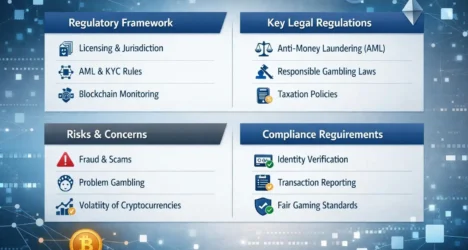
Regulatory landscapes in 2026 are all about accountability. Brazil’s finalized 12% GGR tax structure shows emerging markets want stability, not just high rates. European regions have tightened ad codes and rolled out mandatory biometric verification systems.
Licensing requirements go way beyond financial stability. Regulators want to see robust responsible gambling infrastructure, fraud detection, and solid data handling. Some markets now demand quarterly reports on player harm indicators and intervention results.
This shift impacts how operators enter new markets. They have to budget for longer compliance timelines and specialized legal resources. Getting a license can now take months, not weeks, thanks to heavier documentation reviews and system audits.
KYC, AML, and Data Protection Requirements
KYC and AML protocols have gotten a lot more sophisticated as synthetic identity fraud rises. Regulators now require real-time verification that checks multiple data sources—not just the usual docs. Biometric authentication is standard in several European markets.
GDPR compliance and anti-fraud measures often clash. Operators have to keep enough data for AML checks, but also respect data minimization. That means they need careful data retention policies and clear ways for players to give consent.
AI-generated identities are making fraud prevention tougher. Operators fight back with liveness detection, device fingerprinting, and behavioral analytics. It adds friction to onboarding, but bonus abuse and account takeovers drop as a result.
Responsible Gambling Tools and Operationalization

Responsible gambling tools aren’t optional anymore—they’re baked into every step of the player journey. Deposit limits, reality checks, and self-exclusion are now the baseline in most regulated markets.
AI-driven risk detection systems scan betting patterns, session times, and financial behavior to flag potential harm. These tools trigger everything from reminder messages to temporary account restrictions, and they process thousands of data points per player in real time.
Operators are rolling out cross-operator self-exclusion databases. Players can’t just hop to another site after self-excluding. This move signals a real shift toward industry-wide player protection.
Enhancing Player Protection and Trust
Player trust is tightly linked to visible safety measures and responsive support. Things like clear licensing info, accessible responsible gambling resources, and transparent dispute processes matter more than ever.
I’ve noticed operators now treat player protection as a retention strategy, not just a compliance headache. Trust signals—like transparent licensing and simple wagering terms—actually help keep players loyal.
Players who feel protected tend to stick around longer and spend more. For any online casino platform, that means lower churn and better brand loyalty.
Operational resilience is non-negotiable. Operators need backup verification, redundant risk monitoring, and always-on support—even during big traffic spikes or system updates. Mature markets expect nothing less.
Technological Innovation and AI Integration

AI integration has shifted from “nice-to-have” to essential in iGaming. It powers everything from player analysis to payment processing, and new tech architectures are starting to address the complexity of today’s platforms.
AI-Driven Analysis and Automation
AI-driven analysis is changing how operators understand player behavior and manage risk. These systems sift through millions of data points in real time, spotting patterns human analysts would miss.
Compliance automation is one of the biggest game-changers. AI tools now monitor transactions, flag suspicious activity, and auto-generate regulatory reports—cutting compliance costs and boosting accuracy.
Predictive modeling is standard for retention. AI looks at gameplay, deposits, and engagement to predict who might churn, letting operators step in with personalized offers or interventions before it’s too late.
Key AI automation areas:
-
Transaction monitoring and fraud detection
-
Responsible gambling alerts and intervention triggers
-
Content recommendations based on play history
-
Customer support chatbots for the basics
Data Management and Personalization
First-party data collection is now critical, especially as third-party cookies vanish and privacy rules tighten. Platforms are building direct player relationships to collect behavioral data—legally.
Real-time personalization engines use this data to adjust every player’s experience. Game recommendations, bonus offers, even interface layouts get tailored to individual preferences and habits.
Data management platforms have to handle massive volumes and maintain strict privacy. Modern iGaming software comes with built-in governance tools for consent tracking, retention policies, and regional compliance.
The move to first-party data needs new infrastructure. Operators are pouring resources into customer data platforms that merge info from every touchpoint into a single player profile.
Payments, Blockchain, and Open Banking Integration
Payment innovation now centers on speed, choice, and transparency. Players want instant withdrawals and a range of payment options that fit their habits.
Crypto payments are gaining ground, especially where banks are slow or restrictive. Bitcoin, Ethereum, and stablecoins mean faster settlements and lower fees. Some platforms even have gaming licenses that allow crypto transactions outright.
Open banking APIs let players deposit and withdraw straight from their bank accounts—no middlemen, fewer failures, and lower costs. Operators also get verified income data for responsible gambling checks.
Payment technology adoption:
-
Instant bank transfers via open banking (35% of operators)
-
Crypto wallet integration (28%)
-
Buy-now-pay-later options (15%)
-
Biometric payment authentication (42%)
Advanced Product Architecture and Operational Efficiency
Product architecture’s taken a sharp turn toward modular, API-first designs. These setups let teams roll out new features fast—no more waiting months just to tweak a legacy monolith.
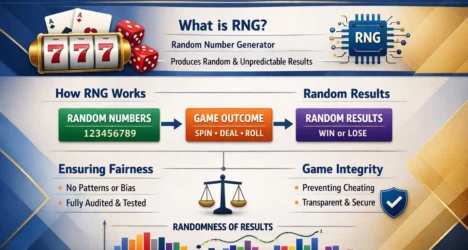
Modern platforms break core functions into microservices. RNG systems, player management, game integration, and payment processing all run on their own, which is a game-changer for operational efficiency.
Teams can update one component without risking the whole system. That’s a big step forward compared to the old days.
Cloud-native infrastructure is now the baseline for scalability. Operators ramp up resources during peak traffic, then scale back when things quiet down.
This approach slashes server costs while keeping performance high. It’s a practical fix for unpredictable demand.
Operational efficiency isn’t just about infrastructure—it’s changing game development too. AI tools help build slot games, generate math models, and test volatility way faster than manual methods ever could.
That means new content hits the market sooner, all while staying within regulatory guardrails. The pace just keeps picking up.
Evolving Marketing, Player Engagement, and Business Models
Marketing’s getting a makeover—data ethics and emotional intelligence are front and center. Operators are rethinking how they attract and keep players as new game formats and community-driven experiences shake up the landscape.
Affiliate Marketing and Acquisition Strategies
Affiliate marketing still brings in a ton of players, but the model’s shifting. I’m seeing more operators lean into CPA (cost per acquisition) deals—better control, better tracking.
Marketing teams now favor emotional intelligence over old-school promo blasts. AI-driven personalization matches players with content and offers based on what they actually do, not just what they say.
This cuts acquisition costs and boosts conversion rates. It’s less about shouting at the crowd, more about knowing your audience.
Data ethics are moving to the forefront. Players want to know how their info gets used, and operators that explain their data practices tend to earn more trust.
The focus has shifted: it’s not about sheer numbers anymore. Targeting high-value, loyal players is where the smart money’s going.
-
Compliance requirements for promotional content are stricter than ever.
-
Compensation now ties directly to player value, not just clicks or signups.
-
Tracking tools measure player lifetime value with more precision.
-
Community-driven content is edging out the old hard-sell approach.
Shifting Player Retention and Loyalty Approaches
Player retention isn’t about blanket bonuses anymore. Loyalty programs use behavioral data to offer tailored rewards that actually fit each player’s style.
Operators track player value—engagement, session frequency, long-term activity—not just deposits or signups. That’s a smarter metric for real success.
Responsible gambling tools are now baked into retention strategies. Features like spending limits and reality checks help keep players around longer by building trust and avoiding burnout.
The old VIP ladder is fading. Dynamic reward systems deliver offers in real time, based on what players are doing right now—not just their tier.
Innovative Gaming Formats and Social Dynamics
Instant games and quick-bet products are on a tear. Players want fast results, and these formats deliver without eating up an entire evening.
Microbetting is everywhere—small wagers on specific moments during live events keep players glued to the action. Parlays are also trending up, thanks to easier-to-use interfaces.
Live dealer and live casino aren’t just about table games anymore. These products offer more transparency and social interaction, which players seem to crave, while sports betting is getting more interactive with built-in streaming.
Studios are blurring the lines between gambling and entertainment. Game-show formats and interactive experiences are pulling in a fresh crowd, especially as online poker makes a comeback with younger, skill-focused players.
Prediction markets are popping up too, letting players forecast outcomes across sports, esports, and even current events. They’re drawing in new types of players who might not touch traditional betting.
Community-based gaming is changing the social game. Here’s what’s popping up more often:
-
Player-versus-player competitions and tournaments
-
Social feeds that highlight wins and achievements
-
Team challenges where rewards are shared
-
Streaming integrations for live play sessions
Gamification’s evolving too. It’s not just about points anymore—think narrative progression, unlocking achievements, and team goals that keep people coming back.