

Casino self-exclusion tools give you the power to block yourself from gambling at specific casinos or even across entire networks for a set period of time.
When you activate self-exclusion, your account gets locked, marketing emails stop, new registrations get blocked, and deposits are prevented—all to help create real barriers between you and gambling activities.
Not every self-exclusion system works the same way. Some casinos only block your current account.
Others might share your information across their sister brands or even state-wide registers. The way payment blocking, device controls, and staff training are handled can really affect whether your exclusion holds up when you need it most.
Knowing your options and how to layer them makes a big difference. It’s important to treat self-exclusion as just one tool in your responsible gambling toolkit, not a magic fix.
I’ve spent time digging into how these systems work, both from the player side and the operator’s end. In this guide, I’ll walk you through the different types of exclusion tools, how to set them up properly, what makes them effective (or not), and some practical steps you can take right now to protect yourself from gambling harm.
Key Takeaways
-
Self-exclusion tools help you block access to gambling by locking accounts, stopping deposits, and cutting off marketing—sometimes across just one site, sometimes across a whole network.
-
For best results, combine account blocks with payment restrictions, device controls, and keep records of all your exclusion confirmations.
-
Problems often arise when casinos don’t share data across brands, when people bypass blocks with new accounts, or when exclusion periods are too short without extra support.
What Are Casino Self-Exclusion Tools?
Self-exclusion tools let you voluntarily block yourself from gambling at casinos for a chosen period. These programs exist to support people who want to step back from betting, making it harder to access gambling sites and land-based casinos.
Definition and Purpose of Self-Exclusion
A self-exclusion program is a formal agreement where you ask a casino or gambling operator to block your access to their services. Once you activate it, you can’t log in, place bets, or create new accounts until the exclusion period ends.
The main goal is to help people who are struggling with gambling take back some control. When I enroll, the casino stops sending me marketing emails and promotional offers. They also block me from depositing or playing games.
Self-exclusion is just one part of the responsible gambling programs casinos offer—usually because the law says they have to. It can give people a needed pause, a way to step back and seek help if things are getting out of hand. The system creates a real barrier, which can prevent financial harm and other tough consequences.
Types of Self-Exclusion Programs
Operator-Specific Programs
These only apply to one casino or betting site. If you self-exclude from one, you might also get blocked from other sites owned by the same company. That helps stop you from just jumping to a sister site.
State and Regional Programs
Some states and provinces run their own self-exclusion programs. For example, in New Jersey and Pennsylvania, over 40,000 players have enrolled in state-level exclusions. These usually last from one to five years at a minimum.
National Programs
Some countries offer industry-wide self-exclusion:
-
GAMSTOP (UK) – Blocks access to all licensed gambling sites in the United Kingdom.
-
BetStop (Australia) – A national register that prevents new account creation.
-
National Voluntary Self-Exclusion Program (US) – Launched in 2024, but only a handful of states participate so far.
Who Should Consider Self-Exclusion
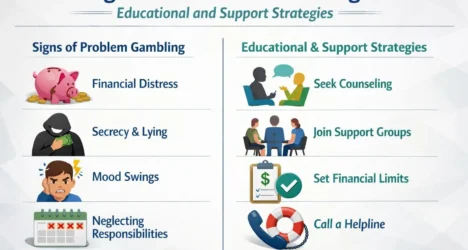
If you notice warning signs of problem gambling—like thinking about gambling all the time, betting money you can’t afford, or borrowing funds to gamble—it’s important to consider self-exclusion.
Other red flags include hiding gambling from family and friends, letting work or school slip, or struggling to cut back. If you’re pulling away from loved ones or gambling is interfering with daily life, self-exclusion can be a helpful step.
It’s not the only tool out there. Casinos also offer deposit limits, time-outs, and reality checks. But if those haven’t worked for you, self-exclusion is the strongest option available.
How Casino Self-Exclusion Tools Work
Self-exclusion tools put up real barriers by blocking account access, stopping deposits, and removing marketing. The way you enroll, the tech behind it, and the length of exclusions all vary between land-based and online casinos, but every system relies on verifying your identity and matching you to their database.
Enrollment Process and Requirements
Most people start by requesting self-exclusion through a casino’s responsible gambling page, customer support, or in person at the venue. Operators usually ask for your full name, date of birth, address, and government ID so they can match your details correctly.
Casinos use KYC (Know Your Customer) checks to confirm your identity before activating the exclusion. This step stops someone else from locking your account without your say-so. Some also run AML (Anti-Money Laundering) checks at this stage, just to be thorough.
Once you submit your request, you’ll get confirmation by email or letter. Keep this documentation—it proves your exclusion is active and lists the start and end dates.
Marketing suppression should kick in automatically. Your contact info gets moved to a list that blocks promo emails, texts, and phone calls. It’s smart to double-check your confirmation notice to make sure marketing will actually stop.
Self-Exclusion in Land-Based Casinos
Physical casinos rely on staff recognition, photo databases, and security systems to enforce exclusions. When you self-exclude, the venue adds your photo and details to an internal database that security teams check.
I always suggest bringing photo ID when you ask for exclusion in person. Staff will snap your picture, take your player card, and enter your info into the system. Sometimes they’ll also share your details with sister casinos in the same network.
Security officers keep an eye on entrances and gaming floors. If they spot you after you’ve self-excluded, they’ll ask you to leave right away. If you keep trying to come back, you could get a permanent ban or even face trespassing charges.
National self-exclusion programs exist in some places. You can register once and be blocked from multiple venues. Centralized lists help because casinos check them before handing out player cards or paying out big winnings.
Self-Exclusion in Online Casinos
Online platforms block your account login, stop deposits, and suspend bonuses when you activate self-exclusion. The system flags your account and any linked payment methods in the operator’s database.
Some operators use hashed identifiers to catch people trying to open new accounts with similar details. The tech compares emails, phone numbers, IP addresses, and payment info—without storing your raw personal data.
If your casino runs several brands, ask for network-wide exclusion. Otherwise, you might still be able to access sister sites using the same login or payment details. I’ve seen folks get caught out by this loophole more than once.
Adding payment blocking gives you extra protection. Some operators flag your credit cards, e-wallets, and bank accounts to reject future deposits. This can really help when you’re feeling tempted in a tough moment.
Duration and Flexibility of Exclusion Periods
Most casinos offer different durations: short cooling-off periods (24 hours to 6 weeks), medium exclusions (3 to 12 months), and long-term or permanent bans (1 to 5 years, or even lifetime).
Short cooling-off periods are good for players who just need a quick break. They usually start right away and end automatically. You can log back in once the timer is up, with no need to contact support.
Medium and long exclusions need manual reactivation. Responsible operators often ask for proof of financial stability, counseling records, or a written request before lifting the block. This extra step helps prevent impulsive returns.
Permanent exclusions are, well, almost always permanent. Some places let you apply for removal after a few years, but casinos and regulators review each case carefully. If you pick a lifetime exclusion, expect that choice to stick.
Key Features and Technologies of Self-Exclusion Solutions
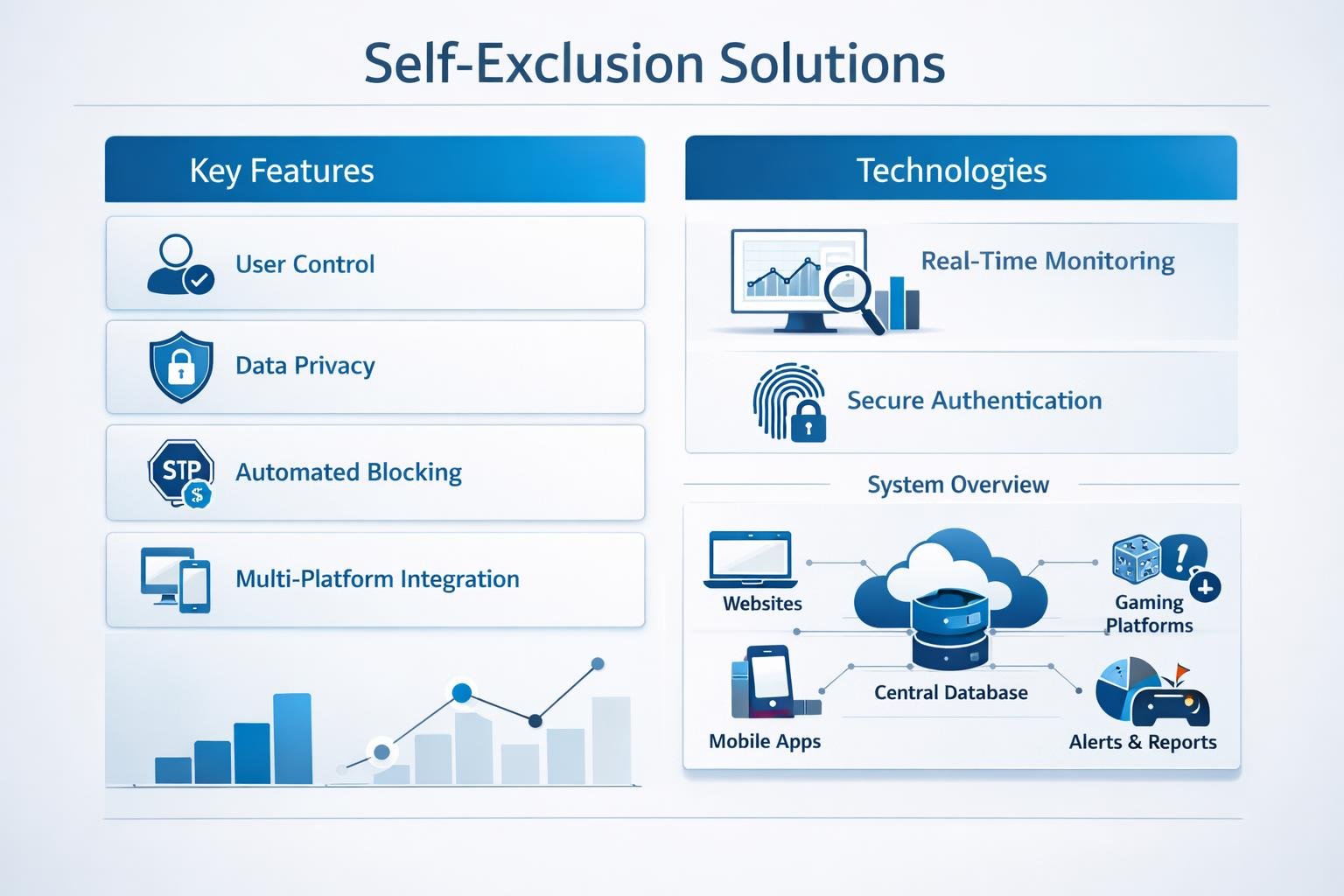
Modern self-exclusion systems use several layers of technology to keep gambling out of reach and protect users. They mix identity checks, financial restrictions, data tracking, and communication controls for a more complete safety net.
Identity Verification and Enforcement
Identity verification is really the backbone of any solid self-exclusion system. Casinos use facial recognition, biometric scans, and government ID checks to confirm who’s enrolling.
The system stores your data securely and checks it against anyone trying to enter a casino or set up an online account. Physical casinos often use facial recognition cameras at entrances. The tech scans faces and matches them to the self-exclusion database on the spot.
Online platforms ask for document uploads and cross-check your info against their records. In many places, casinos now have to share self-exclusion lists across brands. That’s crucial for stopping someone from self-excluding at one casino but then gambling at another.
Payment Block and Financial Controls
Payment block systems stop money from moving between a self-excluded person and gambling platforms. These controls work at several points in the transaction process.
Banks and payment processors can flag accounts linked to self-excluded users. If you try to deposit at a casino, the system rejects the transaction automatically. Credit card companies add gambling merchant codes to their blocking systems.
E-wallets and digital payment services also get involved. The tech includes:
-
Automatic deposit rejections based on merchant category codes
-
Withdrawal freezes on any existing casino accounts
-
Bank account monitoring for gambling-related transactions
-
Payment app restrictions that block casino-specific transfers
These financial controls put up real, practical barriers that can make gambling much harder during your exclusion period.
Transparency Reports and Audit Trails
Every action in a self-exclusion system gets logged in detailed audit trails. These logs track registration dates, exclusion periods, attempted access, and system responses.
The audit trail includes timestamps, IP addresses, device info, and what actions were taken. Regulators require casinos to keep these records for years, using them to check compliance during inspections.
Transparency reports show how the system’s working. They track things like the number of self-excluded users, attempted breaches, and enforcement actions. Casinos often publish summary data every quarter or year.
The data helps spot weak points and areas that need improvement. It also shows regulators and the public that the casino takes responsible gambling seriously.
Marketing and Communication Suppression
When someone self-excludes, marketing suppression systems step in right away to remove them from all promotional lists. These systems cover email, SMS, phone calls, direct mail, and push notifications—so you’re not getting tempted from every direction.
The technology flags your account as soon as you self-exclude. Within hours, all marketing databases get updated to reflect your new status.
This quick action helps prevent casinos from sending out promotions that could trigger a relapse. It’s important to have that extra layer of protection, especially when you’re trying to stick to your decision.
Suppression doesn’t just stop with direct marketing. If you’re self-excluded, you shouldn’t see:
-
Personalized casino ads on social media
-
Retargeting campaigns following you across websites
-
Promotional offers popping up in mobile apps
-
VIP program emails or messages
All these systems work together across different platforms and partners to make sure nothing slips through the cracks. In many places, the restrictions stay put for your entire exclusion period—and sometimes even a little longer, just to be safe.
Impact, Effectiveness, and Psychological Aspects
Self-exclusion tools can help reduce gambling harm, but their success really depends on how the program works, how strictly it’s enforced, and how committed the individual is. Some people find these tools make a real difference in cutting down financial and emotional stress.
There are still challenges, though. Sometimes people get around exclusions, or the coverage doesn’t reach every platform, which can limit how much help these programs provide.
Harm Reduction and Responsible Gaming
Self-exclusion plays a big role in responsible gaming strategies. Healthy habits include knowing your limits and taking breaks when you need to.
Research suggests these programs can help by making it harder to access gambling during vulnerable times. It’s not a one-size-fits-all solution, but for many, it’s a valuable step forward.
The harm reduction approach aims to prevent financial, social, and emotional distress. Combining self-exclusion with other supports—like debt counseling or addiction treatment—often works best.
Key harm reduction benefits include:
-
Cutting down how often and how much you gamble
-
Getting a break from environments and triggers that make gambling harder to resist
-
Time and space to reach out for professional support
-
Staying protected from tempting marketing
Programs that enforce exclusions thoroughly tend to see better results. Monopoly-based gambling systems often do a better job than commercial operators, mostly because they can lock down exclusions across all their brands.
Common Challenges and Limitations
One big challenge is that not enough people actually sign up for self-exclusion, so its impact across the population stays limited. Most folks with gambling problems never take that step, even when it could help.
Breaching self-exclusion happens more often than you might think. Many people try to access gambling sites or venues during their exclusion period, especially if the exclusion term is short or only covers online play.
Major limitations include:
-
Programs don’t always cover every venue or platform
-
It’s tough to enforce exclusions at places without staff
-
Unlicensed or offshore operators aren’t bound by these rules
-
Verification systems aren’t perfect, so some people slip through
Online gambling poses its own set of headaches. You might block yourself from one site, but dozens of others are just a click away. Even if you sign up for multiple self-exclusion programs, it’s hard to get total coverage.
Psychological Triggers and Relapse Prevention
Understanding your psychological triggers makes a huge difference in sticking with self-exclusion. Chasing losses is a big one—when you’re trying to win back money, it’s easy to break your own rules.
Near-misses can also trick your brain into thinking a win is just around the corner, which can make it tough to stay away. If you notice these thoughts popping up, it’s important to have a plan.
Environmental cues can hit hard, too. Walking past a casino, seeing ads, or feeling financial stress can all test your resolve. Pairing self-exclusion with strategies to manage these triggers really boosts your chances of success.
Healthy habits include recognizing high-risk situations. Try avoiding places where gambling happens, find healthier ways to manage stress, and build coping strategies for when urges strike. Self-exclusion is a solid barrier, but your personal strategies are what keep you on track for the long haul.
Peer Support and Additional Resources
Self-exclusion isn’t meant to be a solo journey. Peer support groups can offer accountability and let you share experiences with people who understand what you’re going through.
Programs like Gamblers Anonymous connect you with others facing similar challenges. That sense of community can be a game-changer.
Professional treatment goes deeper, helping you work through the underlying issues behind gambling behaviors. Many places now offer counseling, cognitive behavioral therapy, and family support along with self-exclusion programs.
Additional resources that can help:
-
Gambling helplines and crisis support
-
Financial counseling for managing debt
-
Mental health treatment for other concerns
-
Family therapy to help repair relationships
Combining self-exclusion with peer support and professional help creates a safety net. If one method slips, the others are there to catch you. Support is available, and you don’t have to go it alone.