











Tether casinos are shaking up how folks move money at online gambling sites.
A Tether casino is just an online casino that lets you deposit and withdraw using USDT (Tether), a stablecoin that sticks close to the US dollar’s value instead of regular cash or wild cryptocurrencies. This Tether Casino Payment Method is a favorite for any new online casino hoping to make payments smoother for everyone.

I’ve seen USDT shoot up in popularity at online casinos over the last few years. More and more casinos now take Tether because it’s quick, comes with low fees, and holds steady in value.
You can usually deposit as little as 10-20 USDT and be playing in minutes—no nail-biting over exchange rates or sudden price drops.
The appeal? Pretty straightforward. You get the perks of crypto without your money taking a nosedive overnight.
If you’re new to crypto casinos or just want a better way to manage your gambling funds, getting the hang of Tether could help you make sharper choices about where and how you play.
Key Takeaways
-
Tether is a stablecoin linked to the US dollar, giving you fast deposits and withdrawals with low fees at online casinos.
-
USDT brings more price stability than Bitcoin or Ethereum, but still keeps the privacy and security perks of crypto.
-
Most Tether casinos handle payments instantly with minimums around 10-20 USDT, though some big platforms aren’t on board yet.
What Is This Payment Method?
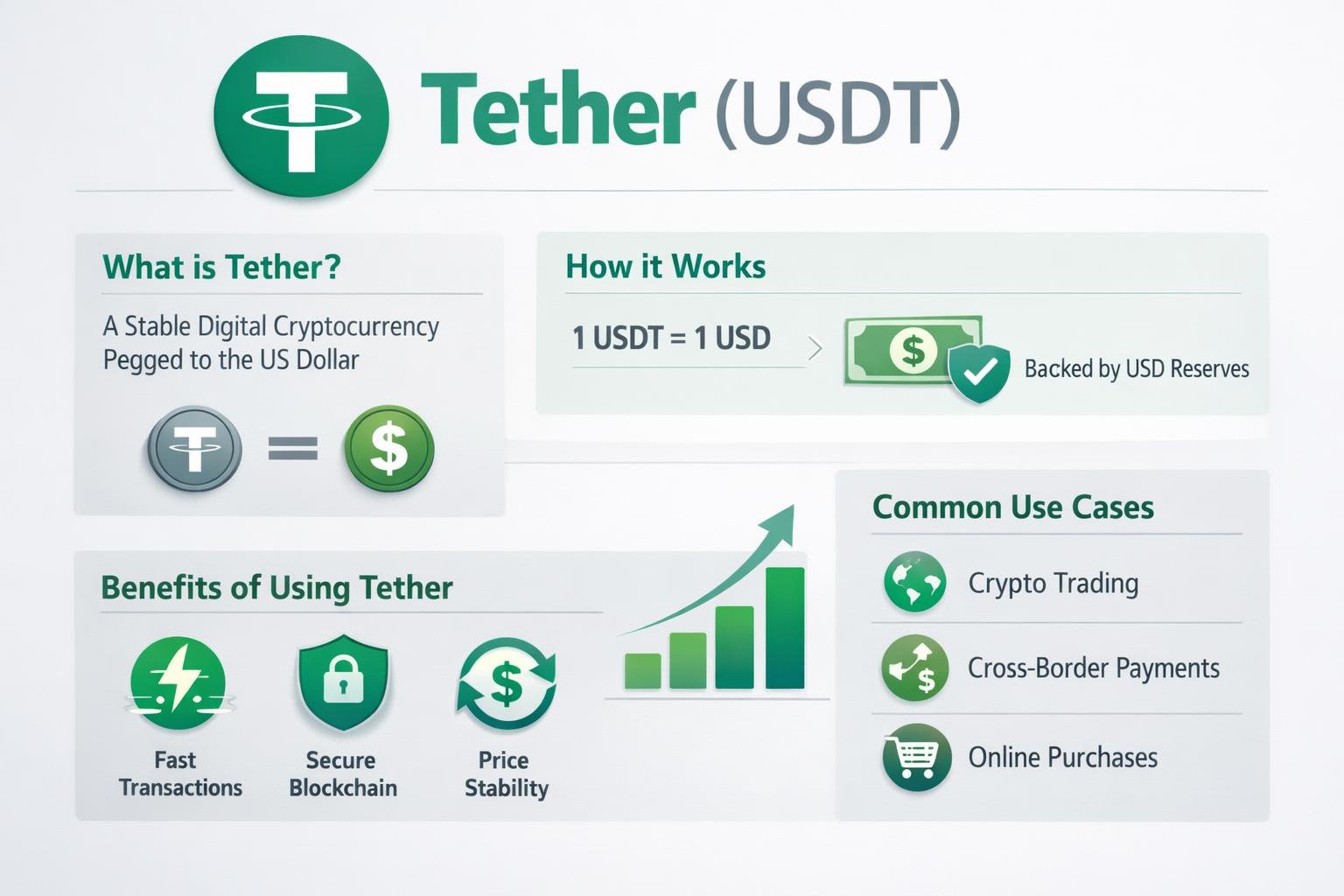
Tether (USDT) is a kind of cryptocurrency called a stablecoin, and online casinos let you use it for both deposits and withdrawals.
Each USDT is worth about one US dollar, so it doesn’t bounce around in price like other cryptos do. That’s a big plus when you’re gambling.
Payment Method Overview
Tether is different from Bitcoin or Ethereum. It’s a stablecoin, which just means every USDT token matches one US dollar.
This steady value is a relief if you hate surprises in your balance.
When I use USDT at casinos, I don’t have to stress about the price tanking. The token works on several blockchain networks like Bitcoin, Ethereum, TRON, and Solana, so I can pick what suits me best for moving money around.
Most Tether casino sites let you deposit using your crypto wallet address. It’s pretty simple and usually takes a minute or two.
Withdrawing winnings works the same way, and it’s way faster than old-school bank transfers that can drag on for days.
History and Development
Tether Limited Inc. rolled out USDT back in 2014, making it one of the first stablecoins on the scene. They wanted to bridge the gap between regular money and digital currencies.
Now, USDT is the world’s most-used stablecoin, with a market cap over $150 billion. Tether Limited posts daily reports about the assets and reserves backing each token, which helps build trust. Alongside US dollars, they’ve added support for things like Chinese Yuan (CNHT), Mexican Peso (MXNT), and Gold (XAUT).
From the start, the company followed KYC and AML rules. This approach helped USDT gain credibility with both crypto exchanges and online gambling sites.
Popularity Among Online Casino Players
There’s been a real boom in tether casinos lately. I’ve noticed USDT casino sites now rival Bitcoin-friendly ones in how many there are. Some top tether casinos, like Bitstarz, make it super easy for players to use this stable option.
Players pick it because it blends the good stuff from crypto gambling with price stability. Crypto casinos like USDT because payments are quick and the fees don’t sting.
Most tether online casinos process deposits right away and set low minimums, usually just 10-20 USDT. High maximums also make it appealing for everyone from casual players to high rollers.
I’ve seen that usdt casinos and sportsbooks attract folks who want privacy and security, but don’t want to deal with wild crypto price swings. Instant withdrawals and extra privacy make it a practical choice for live games and slots.
Why Do Casinos Use This Payment Method?
Casinos jump on Tether because it handles some headaches that come with regular payments, and players really want faster, safer ways to move money. Tether’s got some technical perks that old-school banks just can’t offer.
Key Benefits for Casinos Table
|
Benefit |
Impact on Casino Operations |
|---|---|
|
Transaction Speed |
Deposits and withdrawals finish in minutes, not days |
|
Lower Fees |
Payment processing costs drop compared to cards and banks |
|
Global Reach |
Lets players join from countries with strict banking rules |
|
Price Stability |
Dollar-pegged value means no crypto rollercoaster |
|
Reduced Chargebacks |
Blockchain payments can’t be reversed, so no disputes |
Seamless Integration with Gaming Platforms
Game providers have set up systems that make adding Tether pretty painless for casino operators. The blockchain behind Tether plugs right into casino payment systems, usually through APIs that most gaming platforms already use.
Tether gaming payments don’t force casinos to open merchant accounts or jump through complicated banking hoops. Operators can add USDT support in just a few days, with low fees that make everyone happy. This quick setup lets casinos keep up with what players want, without a huge technical overhaul.
The payment method works across different blockchains, so casinos have options for how they process payments. Game providers have made these setups pretty standard, so whether a casino uses one software or several, it’s not a big deal to add USDT.
Security and Fraud Prevention
Blockchain verification makes every Tether payment traceable and permanent. Casinos can check deposits instantly—no waiting for banks or sweating over fake payment reversals.
This tech blocks a lot of scams that mess with traditional payment methods. Players can’t argue about legit charges or claim they didn’t make a payment after losing. That saves casinos a chunk of time and money on fraud and chargebacks.
Tether’s open ledger also helps casinos follow the rules. Every payment leaves a permanent trail, so regulators can check things over if needed. This setup supports fair gaming and gives folks more confidence to try out usdt gambling.
Benefits for Players

Tether gives players a steady, efficient way to load up their casino accounts while keeping the perks of crypto gaming. You get quick transactions, simple steps, and tight security—all reasons USDT is catching on fast.
Ease of Use and Accessibility
Honestly, using Tether at online casinos is easy, even if you’ve never touched crypto before. Most sites just ask you to head to the cashier, pick USDT, and send the payment from your crypto wallet.
The minimum deposits are usually low—about $10-$20 in USDT. That makes it less scary to try out new slots or sit down at a live dealer table. Some casinos even throw in reload bonuses to stretch your playtime.
Since Tether is pegged to the dollar, you don’t have to stress about your deposit shrinking overnight. If you put in $100 USDT, it’ll still be worth $100, not $85 after a wild crypto dip. That steady value sticks with your welcome bonus and crypto casino bonuses, so your welcome package doesn’t lose value during playthroughs.
Speed of Deposits and Withdrawals Table
|
Transaction Type |
Processing Time |
Minimum Amount |
|---|---|---|
|
USDT Deposits |
Instant to 10 minutes |
$5-$20 |
|
USDT Withdrawals |
2 minutes to 1 hour |
$20-$50 |
|
Fiat Withdrawals |
1-5 business days |
Varies |
I love that instant deposits let me jump into progressive jackpot games or grab 100 free spins without any waiting around. Fast withdrawals are a real win, especially when I score big.
The blockchain behind Tether makes these speedy payments possible. Unlike bank transfers that go through a maze of middlemen, USDT moves straight from wallet to wallet. Some casinos pay out withdrawals in just 10 minutes for smaller wins, though bigger cashouts might need a little extra verification—sometimes up to 24 hours.
Enhanced Security Features
Blockchain tech keeps my Tether payments safe at online casinos. Every transaction gets recorded on a public ledger, so there’s a clear, unchangeable record of what I’ve deposited and withdrawn.
I don’t have to hand over my credit card or bank details for USDT payments, which gives me peace of mind about privacy. For small transactions, many Tether casinos let me play with barely any ID checks, though big withdrawals usually mean some paperwork.
Good USDT casinos use strong encryption to guard my wallet address and payment info. This extra privacy is a big plus, especially when I’m snagging a welcome bonus, no deposit bonus, or 200 free spins. My gambling stays a bit more private than with regular payment options.
How Does This Payment Method Work?
Tether casinos handle deposits and withdrawals right on the blockchain, which means your money goes straight from your digital wallet to the casino and back again. It’s way faster than waiting on banks—most transactions finish up in just a few minutes.
Step-by-Step Guide to Deposits
Let’s kick things off with your digital wallet. You’ll need one that supports Tether (USDT)—think Trust Wallet, MetaMask, or even wallets from big exchanges like Binance.
If you don’t already own USDT, you’ll want to buy some from a crypto exchange. Tether’s value stays steady, so 1 USDT always equals 1 US dollar—no wild swings here.
Once you’re set, log into your casino account and head to the cashier section. Pick Tether as your deposit method and choose a blockchain network (usually TRC-20 or ERC-20—don’t worry, we’ll explain the difference if you’re unsure).
The casino gives you a special wallet address or a QR code. Just copy that address into your wallet app, type in how much you want to deposit, and hit confirm. Usually, your funds show up in your casino account within a few minutes—sometimes even faster.
Step-by-Step Guide to Withdrawals
Ready to cash out? Go to the withdrawal section in your casino account and pick Tether again. Enter how much you want to withdraw and paste your personal Tether wallet address.
After you send your request, the casino gets to work. Sometimes it takes just a few minutes, but it can stretch to a few hours depending on the site.
Once approved, you’ll see the USDT land directly in your wallet. From here, you can hold onto your Tether, swap it for another crypto, or sell it on an exchange for cash. Most casinos move Tether withdrawals a lot faster than old-school bank wires or cards.
Transaction Fees and Limits
Paying with Tether usually costs less than using a credit card or wire transfer. The fee depends on which blockchain you pick. TRC-20 transactions often cost less than a buck, while ERC-20 can get pricier if the network is busy.
Most casinos set a minimum Tether deposit between $10 and $20. Maximums are all over the place—some spots let you deposit $5,000, while crypto-focused casinos might not cap you at all.
Withdrawal limits change from site to site. Some let you take out as little as $20, but others might want at least $50 or $100 per withdrawal. High rollers can sometimes move thousands per transaction, especially if they’ve got VIP status.
Compatibility and Global Reach
Tether’s accepted in loads of countries and works across most platforms, so it’s a solid pick for casino players around the globe. You can use it with different currencies, and it runs smoothly on your phone or tablet.
Availability in Different Countries Table
From what I’ve seen, casinos accepting Tether operate in a ton of places worldwide. It’s especially handy in spots where banks move slow or set up roadblocks.
|
Region |
Availability |
Common Restrictions |
|---|---|---|
|
United States |
Available |
Some state-level limitations |
|
Canada |
Widely available |
Province-specific rules apply |
|
Europe |
Extensive coverage |
MGA and Curacao licensed casinos |
|
Australia |
Available |
Limited to offshore platforms |
|
New Zealand |
Available |
Offshore casino access only |
|
Asia |
Growing presence |
Varies by country regulations |
Most Tether casinos hold licenses from Curacao, Malta, or other places that welcome crypto payments.
Supported Currencies Table
Tether mainly works as USDT, which always matches the US dollar. I like that my tether wallet doesn’t bounce around in value like other cryptos—it’s steady, which is reassuring.
|
Tether Version |
Blockchain |
Primary Use |
|---|---|---|
|
USDT (ERC-20) |
Ethereum |
Most common in casinos |
|
USDT (TRC-20) |
Tron |
Lower transaction fees |
Most casinos go with ERC-20 Tether, but some also let you use TRC-20 if you want to save on fees.
Mobile Compatibility and Usability
I’ve had no trouble using my tether wallet on iPhone or Android—works just fine. You can play at Tether casinos on your phone’s browser or through their app, and everything runs smoothly.
Depositing on mobile is just like on a computer: pick Tether, enter your wallet address, and confirm. Most mobile casinos show QR codes, which makes things even easier if you’re not a fan of copying and pasting.
Deposits usually land within minutes, and withdrawals don’t lag behind. Honestly, I’ve found mobile speeds just as good as desktop.
Comparison with Other Payment Methods
Tether really carves out its own lane compared to other casino payment options. It’s steady like cash, but fast and flexible like crypto. Let’s see how it stacks up to the usual suspects when it comes to fees, speed, and how easy it is to use.
Advantages Over Other Options
Deposits with Tether hit your casino account instantly, on par with credit cards and e-wallets, but you dodge their steep fees. I’ve seen USDT transaction fees anywhere from a penny to five bucks, depending on the network, while Skrill and Neteller can really pile on the charges.
Deposit limits with Tether are generous. Many top Tether casinos take $10,000 or more in a single go, while PayPal and e-wallets usually top out around $1,500 to $2,500. Bank transfers might let you move big amounts, but you’ll wait days for your withdrawal—Tether gets your money to you right away.
Privacy is another big plus. You don’t have to hand over your bank or card details. With Tether, you keep things more private, and there’s no hassle with country blocks like you sometimes get with PayPal or cards.
Disadvantages Compared to Competitors
Let’s be real: Tether has a learning curve. You need to set up a crypto wallet and get the hang of blockchain networks like TRC-20 and ERC-20. If you’re used to just typing in a card number, it can feel intimidating at first.
If you mess up the wallet address or pick the wrong network, your funds are gone for good—no take-backs. With cards or bank transfers, there’s usually some way to dispute or reverse a mistake.
Not every casino supports Tether yet, especially outside the big crypto-focused sites. And while TRC-20 fees are tiny, ERC-20 used to be expensive until improvements like Polygon and Arbitrum helped keep them under fifty cents most days.
Best Use Cases
I’d say Tether shines for players who deposit or withdraw often, or for those moving big amounts. The low fees and high limits are a win for anyone who doesn’t want to pay extra just to play. If you’re a high roller, moving $10,000 or more in one shot is a breeze with USDT.
If you care about privacy, Tether casinos are a smart pick. The blockchain shows the transaction, but your name stays out of it—unlike bank statements that tell your whole story.
International players who can’t use cards or e-wallets often rely on USDT. I’ve seen it open doors for folks in restricted regions, and its stable value means you don’t have to worry about your cash shrinking overnight.
Licensing and Regulatory Compliance
Tether casinos have to jump through a lot of hoops to stay legal. Every country has its own rules, and casinos need licenses, financial checks, and regular audits to keep things above board. Mixing crypto and gambling adds some extra wrinkles, but the best platforms handle it well.
Licensing Requirements
If a casino takes Tether, it needs a license from a respected regulator. Malta, Curacao, Gibraltar, and the Isle of Man are some of the main places that hand out these licenses. Each spot has its own checklist and price tag.
Curacao is a favorite for new Tether casinos—it’s cheaper and easier to get started there. Malta’s license is tougher to get but carries more weight, since the checks are stricter.
I always tell friends: stick to casinos with real licenses. Unlicensed sites are risky, and you don’t want your funds or info in the wrong hands.
Getting a license can take anywhere from three months to a year, and fees start around $10,000 but can soar past $100,000 for the most respected ones. There are annual renewal fees, too.
Anti-Money Laundering (AML) and Know Your Customer (KYC) Policies
Even though crypto is more private, licensed Tether casinos still need to follow AML and KYC rules. These checks help stop criminal activity and keep the platform safe for everyone.
Usually, you’ll have to upload a government ID, proof of address, and sometimes a snapshot of yourself holding your ID. For big transactions, they might ask where the money’s coming from.
Standard KYC Requirements:
-
Photo ID from the government
-
Recent utility bill or bank statement (within 90 days)
-
Selfie with your ID
-
Proof of where your funds came from (for large amounts)
Tether Limited, the company behind USDT, keeps up its own compliance standards. They publish reports showing they’ve got enough reserves to back the tokens, though this doesn’t control how casinos use USDT.
Casinos use monitoring systems to spot anything fishy—like rapid in-and-out transactions or strange betting patterns. If something looks off, they report it to the authorities.
Certifications and Third-Party Audits
Independent audits help make sure Tether casinos play fair and keep enough funds to pay out winners. Groups like GLI and eCOGRA test the games to make sure results are random and payouts are accurate.
These agencies check that the random number generators work right and that payout rates match what’s advertised. They also look at the casino’s finances to confirm there’s enough money to cover everyone’s balances.
Some casinos share monthly or quarterly audit reports, showing how many games were tested and if everything checked out. If a casino skips these audits, I’d consider that a red flag.
Common Issues and How to Resolve Them
Ever run into weird payment hiccups at a Tether casino? You're not alone. Transaction delays, failed deposits, or withdrawal errors can really throw off your game night.
But don't worry, we'll walk through the usual suspects and how to fix them so you can get back to having fun faster.
Transaction Delays
Sometimes Tether deposits or withdrawals just take longer than you'd expect. This usually happens when the blockchain network gets busy—think of it like rush hour traffic for your transaction.
First, check your transaction status using a blockchain explorer. Most Tether payments finish up in about 10 to 30 minutes if the network isn't too crowded.
If you see your transaction marked as "pending," just hang tight and let the network work its magic. Bumping up your network fee can help too, since miners usually give priority to higher-fee transactions.
Some casinos set a minimum network fee, which might slow things down during busy times. If your payment's stuck for more than an hour, double-check that you sent your USDT on the right blockchain network.
Casinos usually accept USDT on Ethereum, Tron, or sometimes another network. Accidentally sending funds on the wrong network? That can lead to long delays—or worse, your money might not show up at all.
Deposit or Withdrawal Errors
Ever send funds and they just vanish into thin air? Deposit errors often come down to using the wrong wallet address or picking the wrong network.
Always, always double-check the casino's deposit address. One tiny typo and your money could be gone for good. Make sure the network matches what the casino wants, too.
Withdrawal issues pop up if you haven't met the wagering requirements for bonuses. Casinos lock withdrawals until you play through a certain amount, so check your dashboard to see what’s left.
Another common snag: incomplete account verification. Most casinos need you to upload ID before your first withdrawal. It can feel like a hassle, but it's pretty standard these days.
Also, watch out for minimum withdrawal amounts. If you try to cash out less than the required amount, the transaction won't go through. Thinking about buying more USDT to reach the minimum? Make sure the casino accepts that network first.
Contacting Support
If you're stuck and nothing's working, it's time to reach out to support. Gather your transaction ID, wallet addresses, timestamps, and any screenshots of error messages before you contact them.
Live chat usually gets the fastest results for urgent payment problems. Lay out your issue clearly and give them all the details right away. For messier issues, email support can dig deeper.
Most casinos reply to payment questions within a day. If you don't hear back, send a follow-up or check if they have social media support. Sometimes a gentle nudge helps move things along.
Pros and Cons
Tether brings some real perks to online casino payments, but there are a few downsides worth knowing. Let's break down the ups and downs in plain language.
Four Advantages Table
|
Advantage |
Details |
|---|---|
|
Transaction Speed |
Deposits hit your account almost instantly, and withdrawals usually wrap up within minutes. Compared to waiting days for bank transfers, USDT is lightning fast—usually just a minute or two. |
|
Low Fees |
Sending USDT costs way less than using credit cards or banks. Most casinos don't tack on extra fees for Tether, so you keep more of your winnings. |
|
Price Stability |
USDT is pegged to the US dollar, so your casino balance won't suddenly shrink if the crypto market tanks. What you put in is what you get out—no nasty surprises. |
|
Privacy Protection |
USDT payments give you more privacy than old-school methods. The blockchain keeps things discreet, even if the casino asks for some verification. |
Four Disadvantages Table
|
Disadvantage |
Details |
|---|---|
|
Limited Availability |
Not every casino takes USDT yet. If you're set on using Tether, your list of options is a bit shorter. |
|
Reserve Verification |
Tether says every token is backed by real dollars, but outside audits aren't always available. That leaves a bit of a question mark over its stability. |
|
Learning Curve |
If you're new to crypto, wallets and blockchain addresses can feel confusing at first. A simple mistake—like sending to the wrong address—can mean your money's gone for good. |
|
Regulatory Uncertainty |
Crypto rules keep changing around the world. Future laws could change how you use USDT at casinos, or even if you can use it at all in some places. |
Conclusion and Final Thoughts
Tether's made a real name for itself as a payment method in crypto casinos. Its steady value makes it less stressful to manage your bankroll, especially compared to rollercoaster coins like Bitcoin.
Fast deposits and low fees stand out to me. Most of the time, your money lands in your account within minutes and cashing out is just as speedy once the casino gives the green light.
Not having to hand over sensitive banking info to gambling sites? That’s a big plus in my book.
Key advantages I’ve noticed:
-
Stable 1:1 value with the US dollar
-
Quick deposits and withdrawals
-
Lower fees than traditional payment methods
-
Enhanced privacy protection
-
Wide acceptance across crypto casinos
You can use Tether for both casino games and sports bets, all from the same wallet. No need to juggle different payment methods.
Some sites, like MegaPari, let you use Tether alongside other cryptos. That gives you more freedom to pick where you want to play.
Important points to remember:
-
Always check if the casino takes USDT before signing up
-
Look at withdrawal limits and how long payments take
-
Stick with licensed, regulated gambling sites
-
Keep your wallet details private and safe
If you want quick payments and stable value, Tether is a great pick. Setting things up is pretty simple, and just about every crypto wallet supports it. Just be sure to double-check the network before sending money—that's the easiest way to avoid headaches or lost funds.