












Let me break down SafetyPay for you. It's a bank-linked, non-card payment method for online casino deposits—think of it as a direct line from your bank to your casino account, no credit card in the middle.
SafetyPay handles secure cross-border transactions without ever handing your card details to the casino. That’s a relief if you’re the cautious type (and you should be, trust me).
Since its launch in 2007, SafetyPay has built a network that’s massive in Latin America. We’re talking 16 countries and hundreds of banks—if you’re in that region, it’s likely your bank’s on the list.

The real draw of SafetyPay? It keeps your card and full banking credentials off the casino's servers, using a redirected bank authentication flow instead.
For players in Latin America, it fills a real need. Most folks there have active bank accounts but might not have credit cards, and SafetyPay bridges that gap for both e-commerce and gambling.
Outside Latin America, you’ll see it pop up at a handful of international casinos, but it’s definitely not everywhere.
Here’s a quick glance at the essentials before we dig deeper:
|
Feature |
Detail |
|---|---|
|
Method type |
Bank-linked online payment / alternative payment method |
|
Founded |
2007 |
|
Primary market |
Latin America (16 countries); some international availability |
|
Typical deposit speed |
Near-instant to a few minutes |
|
Typical withdrawal speed |
Varies; commonly 1-3 business days where supported |
|
Withdrawals supported |
Sometimes; varies by casino |
|
Typical fees |
Generally none charged by the casino; SafetyPay's own fee structure isn’t public |
|
Currencies supported |
ARS, BRL, CLP, COP, MXN, PEN, USD, CAD among others |
Key Takeaways
-
SafetyPay links your bank account to the casino without any card involved, ideal if you prefer bank-based payments or don’t have a card.
-
Withdrawals aren’t always supported, so always check the cashier section before you deposit. Don’t assume you can cash out the same way you put money in.
-
It’s strongest in Latin America—if you’re in North America or Europe, you’ll probably have better options.
-
Pick casinos that highlight SafetyPay support for your country and bank. It saves you a headache later.
What SafetyPay Is And Who It Suits
SafetyPay falls under alternative payment methods. It’s not a card, not a classic e-wallet, and not a direct bank transfer you’d do from your bank’s own website.
Instead, it connects the casino’s payment page to your bank account, acting as a secure go-between. You usually don’t need to sign up for a separate SafetyPay account either, which is a plus for anyone who hates extra steps.
How SafetyPay Works In Simple Terms
When you pick SafetyPay at the casino cashier, you’ll get redirected to a secure session. There, you log in to your bank through the SafetyPay network—no casino ever sees your credentials or card number.
It’s a lot like other instant bank transfer services, but SafetyPay has its own network of partner banks, mostly in Latin America.
Who Should Consider This Non-Card Option
In my experience, SafetyPay fits players who:
-
Don’t have or don’t want to use a credit/debit card for gambling (sometimes cards just don’t work, or banks block them)
-
Bank with a SafetyPay partner, mostly in Latin America
-
Want to keep card details private from casinos—this is a big one for privacy-minded players
-
Don’t mind a checkout flow that bounces you to your bank and back
-
Like having no extra fees for getting money into their casino account
If you’re in the US, UK, or Western Europe, you’ll probably find other payment methods faster and more familiar. Honestly, I rarely see SafetyPay offered in those regions.
Third-Party Standing And Market Position
SafetyPay is all about payment inclusion. It targets people who have bank accounts but not cards, and it’s not part of a bigger group like Paysafe.
With 380 bank partners and 180,000 cash collection points, it’s a giant in Latin America. Outside that region, its reach is much smaller—don’t expect to see it everywhere.
Using It For Deposits And Withdrawals

Depositing with SafetyPay is pretty painless. You get security and privacy, and the process feels familiar if you’ve ever used a redirected bank payment before.
Withdrawals, though, can be trickier. That’s where most players get caught off guard.
Making A SafetyPay Deposit At A Casino
Head to the casino cashier, choose SafetyPay, punch in your amount, and you’ll get redirected to the SafetyPay interface. There, you log in to your bank and approve the transfer.
The whole thing usually takes just a few minutes. If everything lines up, your funds land in your casino account almost instantly.
Here are a few things I’ve learned the hard way:
-
You need to bank with a SafetyPay partner—if your bank isn’t listed, you’re out of luck
-
The redirect is normal. Don’t panic when you leave the casino’s site; you’ll come right back after the payment
-
Some casinos might ask for extra verification before your first deposit clears. Have your ID handy, just in case
Whether Withdrawals Are Commonly Supported
This is huge: not every casino that lets you deposit with SafetyPay will let you withdraw the same way. I’ve seen plenty that only offer payouts via bank wire or other methods.
If withdrawals are allowed, the casino’s processing time gets added to whatever time your bank takes. Always check the cashier before you deposit—don’t assume anything.
What To Expect During SafetyPay Transactions
Here’s the typical flow for a SafetyPay transaction:
-
You’ll get redirected from the casino to SafetyPay’s secure session
-
Log in with your bank credentials (your bank’s security, not the casino’s)
-
Confirm the payment
-
Get bounced back to the casino once it’s done
The process is smooth, but you have to bank with a SafetyPay partner. Outside Latin America, that can be a stumbling block.
Speed, Fees, Limits, And Bonus Eligibility
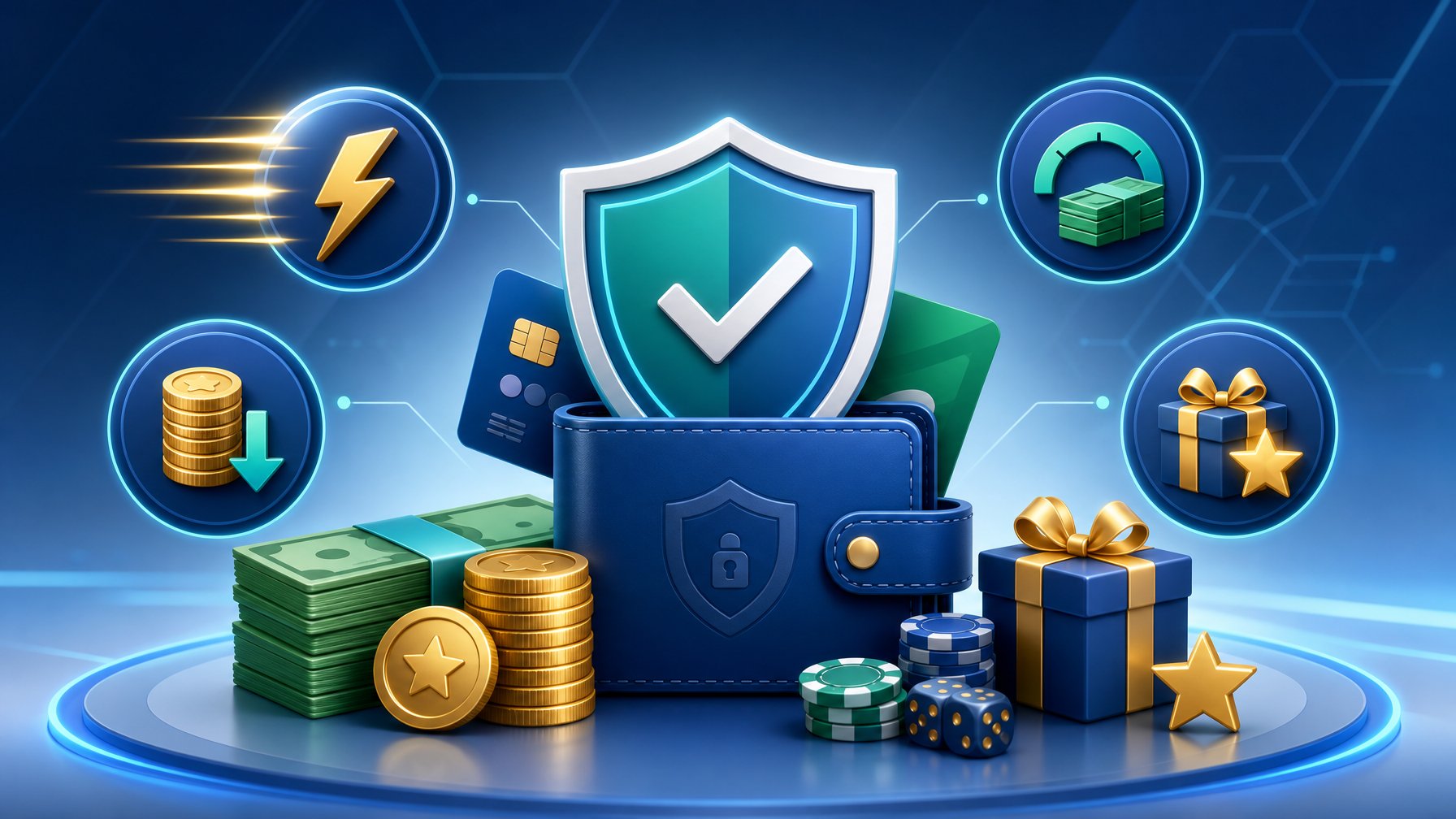
Before you start, you should know the numbers. Here’s how SafetyPay stacks up on the stuff that actually matters.
Typical Processing Times
|
Transaction type |
Typical speed |
|---|---|
|
Deposit |
Near-instant to a few minutes |
|
Withdrawal |
1-3 business days (where supported; varies by casino) |
Deposits are where SafetyPay really shines. You’ll see your funds in your casino account almost right away.
Withdrawals, if you can use them, move at the pace of a standard bank transfer. Don’t expect instant cashouts like you’d get with e-wallets—same-day payouts are rare here, and in my experience, patience is key.
What Fees Players May Encounter, Limits, Local Currency Support, And Promotions
Fees: In my experience, SafetyPay doesn’t publish a standard fee schedule for players. Most of the time, you won’t see a deposit fee—casinos usually eat that cost, which is a nice perk if you play often.
Still, always double-check the casino’s terms before you hit confirm. Some operators sneak in their own charges, and I’ve seen surprises pop up in the past.
Limits: Each casino sets its own deposit and withdrawal limits—there’s no universal SafetyPay cap. Generally, I see minimums in the $10-$30 range, and maximums can reach up to $5,000 per transaction, but honestly, it’s all over the map depending on where you play.
|
Limit type |
Typical range |
|---|---|
|
Minimum deposit |
$10-$30 (varies by casino) |
|
Maximum deposit |
Up to $5,000 (varies by casino) |
|
Minimum withdrawal |
Set by casino; varies |
|
Maximum withdrawal |
Set by casino; varies |
Currencies: SafetyPay covers a solid lineup of Latin American and international currencies—BRL, ARS, CLP, COP, MXN, PEN, USD, CAD, and a few others. What you’ll actually get depends on what the casino supports, so don’t assume every site will show your local peso or real.
Bonus eligibility: Here’s what most players miss: bonus eligibility with SafetyPay isn’t always guaranteed, but it’s far less likely to be excluded than e-wallets like Skrill or Neteller. Always scan the bonus terms—some casinos get picky, and you don’t want to lose out on that welcome offer just because you didn’t check.
Availability, Safety, And Practical Trade-Offs
Let’s talk about where SafetyPay actually works, how it handles your security, and what real limitations you’ll face. I’ve seen too many players get tripped up by details that aren’t obvious at first glance.
Where SafetyPay Is Most Commonly Available
SafetyPay really shines in Latin America. It’s live in 16 countries there, and the network of partner banks is impressive—Brazil, Mexico, Colombia, Peru, Chile, Argentina, you name it.
If you’re playing from outside Latin America, though, things get trickier. Some international casinos offer it, but in the US, UK, Canada, or Western Europe, it’s just not mainstream like cards or PayPal.
And here’s the kicker: if your bank isn’t a SafetyPay partner, you’re out of luck, even if the casino lists it as an option. I’ve seen players get frustrated by this more than once.
Security Features And Verification Expectations
SafetyPay leans on your bank’s own authentication tools, not a separate login layer. That means your card details never touch the casino, and you’re always logging in through your bank’s portal when you pay.
-
No card details are shared with the casino, ever.
-
Bank-level authentication protects every transaction—sometimes with two-factor, depending on your bank’s system.
-
Your bank credentials stay with your bank. Neither SafetyPay nor the casino stores them, which is a relief for privacy hawks.
For withdrawals, expect the usual KYC checks. Casinos will ask for ID and proof of address, no matter what payment method you use. That’s just standard these days.
Common Drawbacks To Watch For
-
Withdrawal support is inconsistent. Not every casino that takes SafetyPay for deposits lets you withdraw the same way. If you want a single method for both, double-check before you deposit—I’ve been burned by this myself.
-
Geographic limitation is real. Outside Latin America, SafetyPay just doesn’t have the bank partnerships to be reliable.
-
Fee transparency is limited. SafetyPay doesn’t publish end-user fees, so you’ve got to check both the casino’s terms and sometimes your own bank’s outgoing fees. It’s a hassle, but it’s better than being surprised later.
-
Redirect flow. The payment process bounces you to your bank’s website. It’s smooth, but if you’re used to e-wallets or cards that keep you inside the casino interface, it can feel a bit clunky at first.
Alternatives to SafetyPay and How It Compares
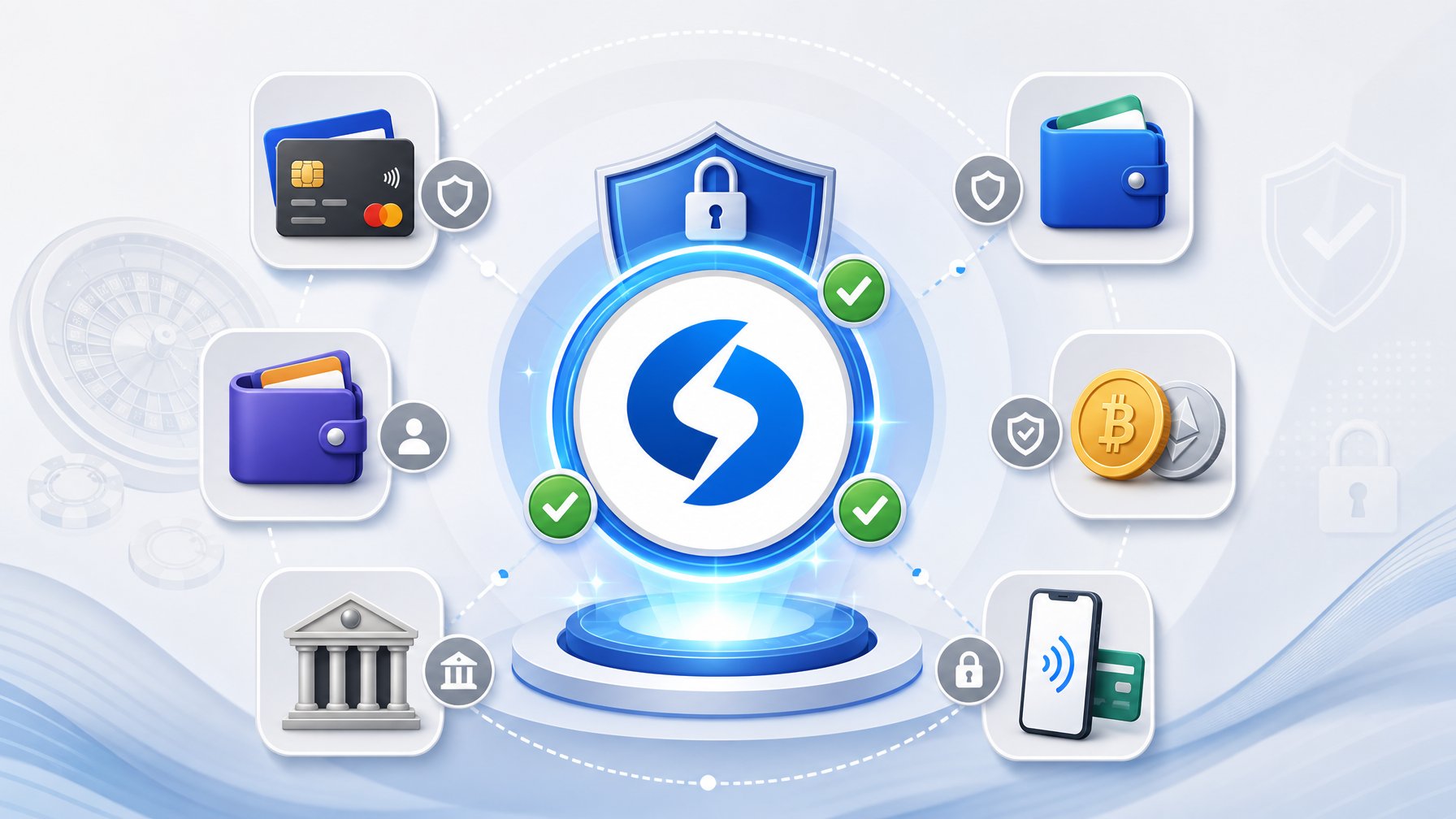
Let’s put SafetyPay side-by-side with the competition. I’ve tested just about every payment method out there, and there’s always a trade-off.
SafetyPay Vs Cards And Direct Bank Methods
With cards, your number always goes to the casino, which is a risk if you care about privacy. SafetyPay skips that part—no card data ever leaves your bank.
Deposit speeds are about the same, but cards usually have broader withdrawal support. If you want to cash out fast, though, neither option is really instant in most cases.
Direct bank transfers (old-school wires) are universal but slow, and banks sometimes tack on extra fees. SafetyPay sits in the middle—faster than a wire, more integrated, but not as widely available.
SafetyPay Vs E-Wallets Like Neteller
E-wallets like Neteller and Skrill are a different animal. They hold your balance, process nearly instant withdrawals, and work at tons of casinos worldwide.
The catch? Many casinos exclude e-wallet deposits from welcome bonuses—Neteller is especially notorious for this. SafetyPay doesn’t have that reputation, so if you want to claim bonuses and keep your card details private, it’s a better fit for many Latin American players.
If you care most about super-fast withdrawals, though, e-wallets still win hands-down.
When Another Method May Be The Better Fit
|
Situation |
Better alternative |
|---|---|
|
You want the fastest possible withdrawals |
E-wallet (Skrill, Neteller, PayPal where available) |
|
You are outside Latin America and want broad support |
Debit card or local instant bank transfer |
|
You want to claim a welcome bonus and your casino excludes SafetyPay |
Check the casino's eligible method list |
|
You want a method with a published, transparent fee structure |
Many e-wallets and cards publish fees clearly |
Final Assessment For Casino Players
Best Use Cases For This Method
SafetyPay really shines if you’re:
-
Playing from Latin America and your bank is in the SafetyPay network. It’s seamless and keeps your card details out of the casino’s hands.
-
Big on privacy. SafetyPay never exposes your card or full bank credentials to the casino.
-
Chasing bonuses and want to avoid the e-wallet exclusions that trip up Neteller or Skrill users.
-
Needing to deposit in a local currency like BRL, MXN, COP, or ARS, and you want to stick to your familiar banking interface.
If you’re in North America or Europe and want fast, universal withdrawals or your bank isn’t in the SafetyPay network, honestly, you’ll have a smoother ride with cards or e-wallets.
Pros And Cons At A Glance
Pros
|
Advantage |
Why it matters |
|---|---|
|
No card details shared with the casino |
Keeps your data private and shields you from card fraud if a casino gets hacked. |
|
Near-instant deposits |
Your funds usually hit your casino account within minutes. I’ve rarely seen delays. |
|
Does not carry the e-wallet bonus exclusion reputation |
You’re more likely to get welcome bonuses compared to Neteller or Skrill users. |
|
Broad Latin American bank network |
380 partner banks in 16 countries—if you’re in the region, you’re probably covered. |
Cons
|
Disadvantage |
Why it matters |
|---|---|
|
Withdrawal support varies by casino |
You might need to use another method to cash out, which adds hassle. |
|
Limited availability outside Latin America |
Players in the US, UK, or most of Europe will have a tough time finding it as an option. |
|
No public fee schedule |
It’s hard to know what you’ll pay unless you check each casino and sometimes your bank—annoying, but manageable. |
|
Withdrawals are not instant |
Where available, payouts take 1-3 business days. If you want your winnings now, look elsewhere. |
What To Check Before You Use It
Before you dive in and try SafetyPay at any casino, slow down and check these three things first. Trust me, skipping this step can cost you time and bonus money.
-
Does your bank participate in the SafetyPay network? If your bank isn't in the loop, nothing else matters—this payment method simply won't work, even if the casino claims to support it.
-
Does the casino support SafetyPay withdrawals, not just deposits? Some casinos let you deposit with SafetyPay but won't let you withdraw the same way. Head to the cashier or payment terms and double-check before you fund your account.
-
Are SafetyPay deposits eligible for the bonus you want to claim? I've seen plenty of players miss out on promos because they didn't read the fine print. Always scan the terms and conditions for deposit exclusions before you commit.
Everyone's setup is a bit different, and honestly, SafetyPay won't be the perfect fit for every player or every casino. If you're on the fence or just want to see all your options side by side, check out our full range of casino payment method guides at FreeCasino.co. There's no harm in comparing.